Last updated: June 2026 · Written by the Buenos Aires Tourism editorial team, who have sipped a nightcap under the chandeliers at the Alvear, watched the sun drop over the Puerto Madero docks from a tower suite, and argued happily about which barrio does grand best.
Luxury hotels in Buenos Aires: the short answer
The best luxury hotels buenos aires offers cluster in three areas: Recoleta, for grande-dame palace hotels like the Alvear; Puerto Madero, for sleek modern towers and the design-icon Faena on the waterfront; and Palermo, for intimate design-boutique stays. Expect roughly US$200–500 a night for five-star rooms, more for the marquee suites — and always check current rates, because Argentina’s peso moves fast.
I have stayed in, toured and lingered over coffee in most of this city’s top hotels, and the honest truth is that Buenos Aires punishes lazy choices and rewards a little thought. The grandest names are not always in the same neighbourhood, the “best” five-star depends entirely on whether you want belle-époque hush or rooftop-pool buzz, and the price you are quoted can swing wildly with the exchange rate. Below I break the luxury scene down by area and by the kind of property it is, so you can match the hotel to the trip.
If you are still weighing up districts before you splurge, start with our complete guide to where to stay in Buenos Aires, which maps how the barrios connect. This guide zooms in on the top end alone.
Where the luxury hotels cluster
Unlike some capitals, Buenos Aires does not funnel its best hotels into one golden mile. Instead the high end splits across three very different neighbourhoods, each with its own character. Pick the area first and the shortlist almost writes itself.
Recoleta — grande-dame palaces
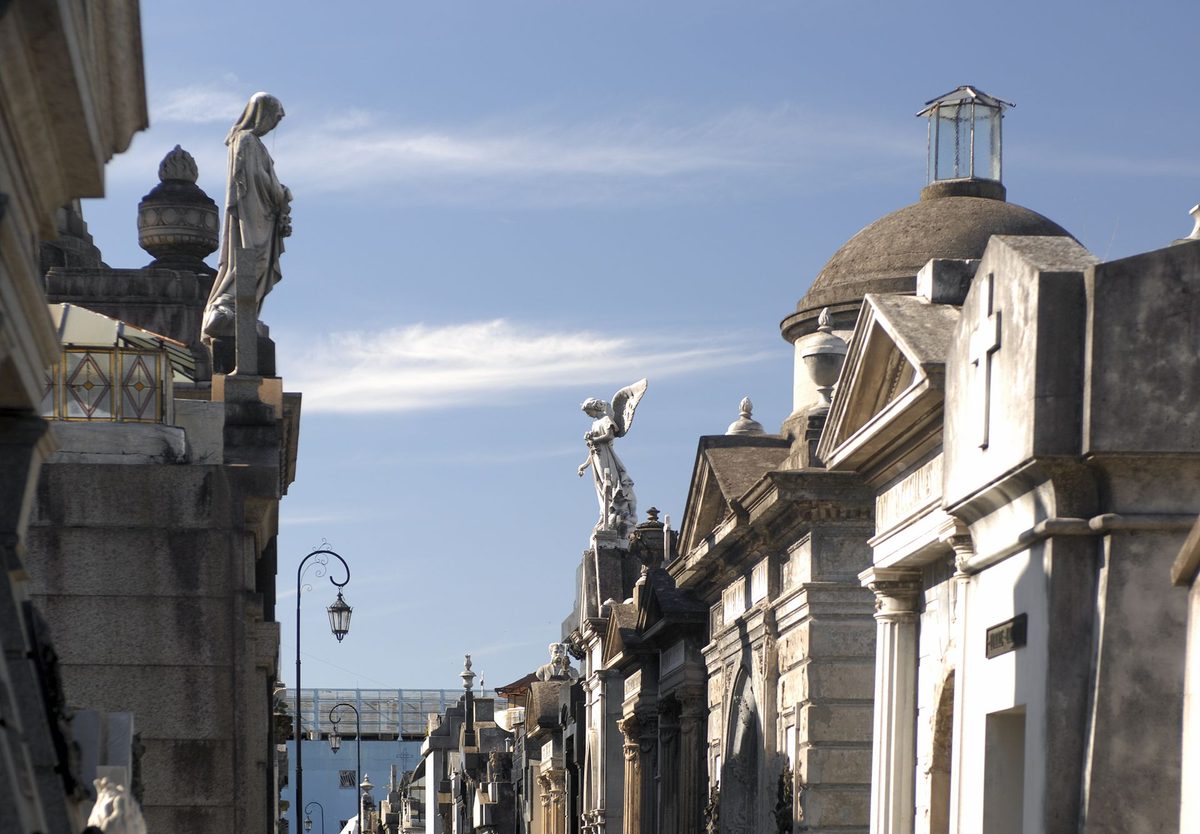
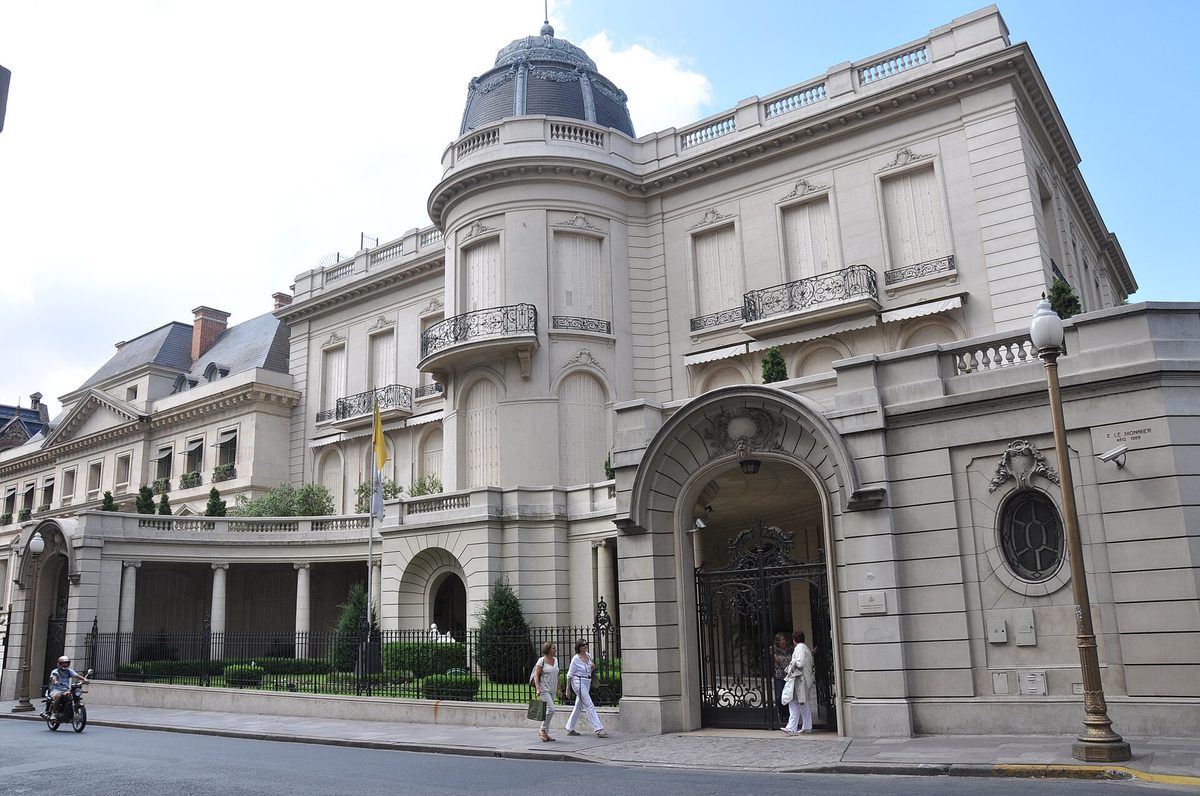
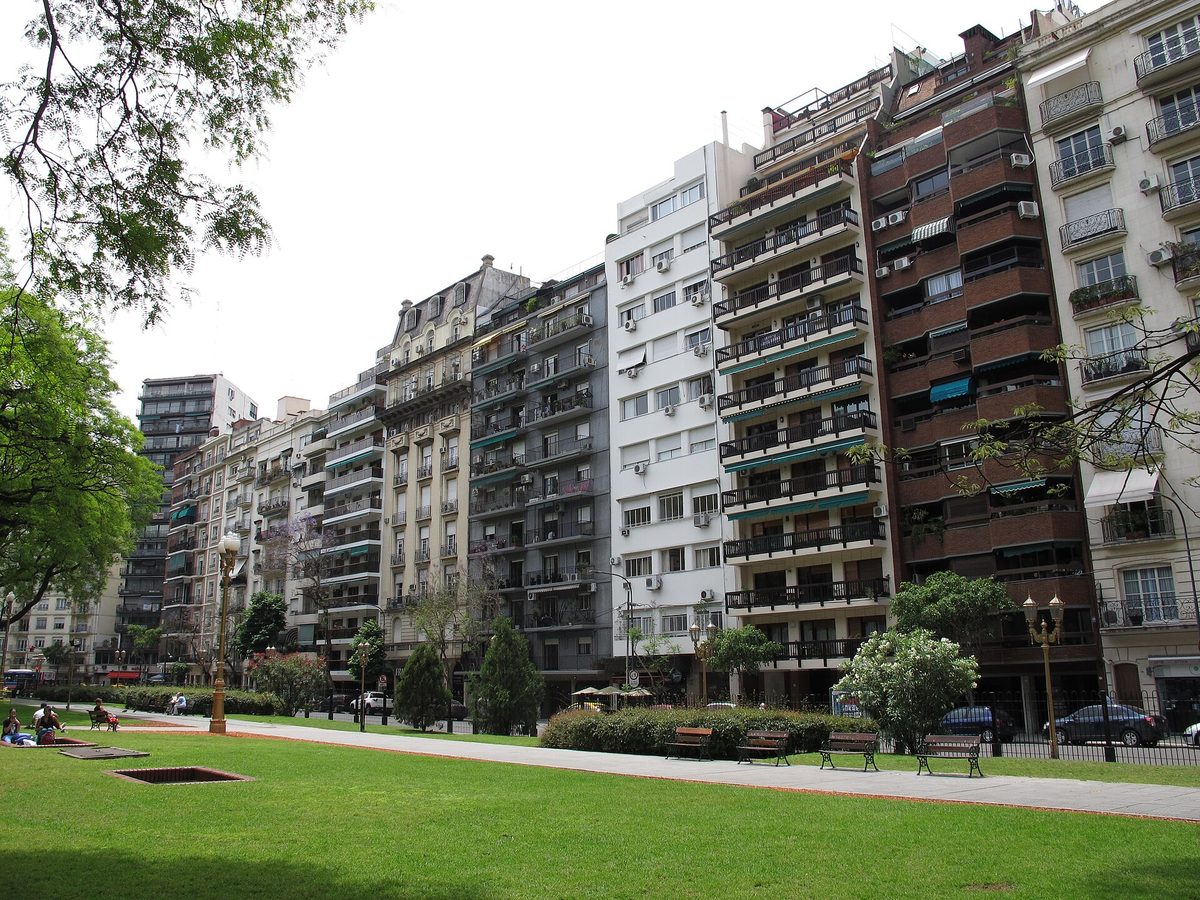
Recoleta is old-money Buenos Aires: French-style mansions, designer boutiques, leafy plazas and the city’s most famous cemetery. It is also where the classic, columns-and-chandeliers hotels live. This is the barrio for travellers who want refinement, safety and walkable culture, and who like their luxury with a sense of history. Avenida Alvear, the most aristocratic street in the city, is the spine of it. For the full picture of the neighbourhood, see our guide to Recoleta, Buenos Aires; for a hotel-by-hotel look, our roundup of hotels in Recoleta goes deeper.
Puerto Madero — modern waterfront towers
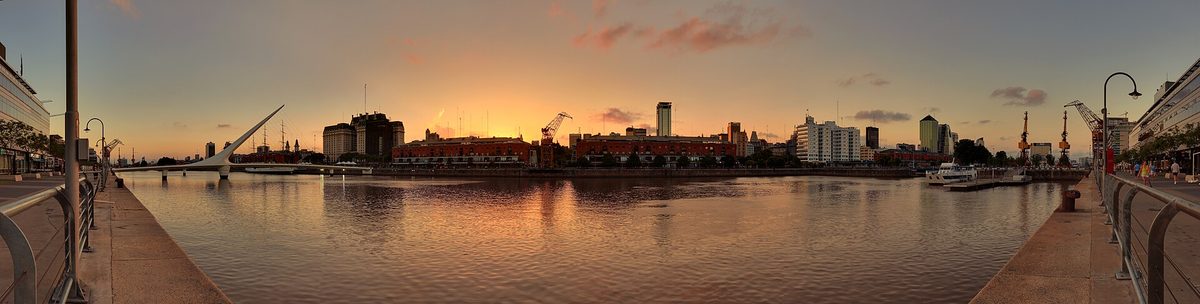
Puerto Madero is the opposite mood: the city’s newest barrio, a redeveloped dockland of glass towers, yacht basins and wide promenades that feels almost like a different city. The hotels here are modern, spacious and view-led, several with the best gyms, pools and skyline panoramas in town. It suits travellers who prize calm, security and contemporary comfort over old-world character — and anyone who wants to roll out of bed and jog along the water. Read more in our guide to Puerto Madero.
Palermo — design-luxury and boutiques
Palermo is the trendy, green, restaurant-and-bar heart of the city, and its luxury tilts boutique: small design hotels, rooftop plunge pools, and a location that puts the best nightlife and dining on your doorstep. You trade the marble lobby for personality and walkability. If that is your idea of a treat, our guide to the best hotels in Palermo covers the field.
Luxury Buenos Aires hotels at a glance
Here is the quick comparison I wish I had when I first booked. Price bands are rough 2026 nightly rates for a standard luxury double and shift constantly with the exchange rate — treat them as ballpark, not gospel.
| Area | Style | Best for | Rough price band (US$/night) |
|---|---|---|---|
| Recoleta | Grande-dame palace, belle époque | First-timers, culture, classic luxury | ~$300–800 |
| Puerto Madero | Modern tower, waterfront, design-icon | Views, security, contemporary comfort | ~$300–700 |
| Palermo | Design boutique, intimate | Food, nightlife, walkability | ~$180–350 |
| Microcentro / Retiro | Business five-star, high-rise | Central sightseeing, short stays | ~$200–450 |
Rates are indicative only. The marquee suites at the top properties run far higher, and seasonal demand plus the volatile peso can push any of these up or down — always confirm current pricing when you book.
Luxury hotels Buenos Aires offers, by property type
Area is half the decision; the other half is the character of the building itself. Buenos Aires luxury comes in three broad flavours.
Historic landmark hotels
The grande dames are the reason many people splurge here. The Alvear Palace Hotel on Avenida Alvear, opened in 1932 and modelled on the great hotels of Paris, is the icon: gilded salons, a famous afternoon tea, and a guest list that has run from royalty to presidents to film stars. A short walk away, the Palacio Duhau – Park Hyatt wraps a restored 1930s palace and a modern wing around a terraced garden, blending old bones with contemporary polish — routinely rated among the very best stays in the city. These hotels suit travellers who want the building to be part of the experience. Rates for the headline rooms often sit well north of US$400, so check current rates before you fall in love.
Modern towers and waterfront icons
If you would rather have floor-to-ceiling glass and a skyline, the towers deliver. In Puerto Madero, the Faena Hotel is the showstopper: Philippe Starck took a red-brick former grain mill on the docks and turned it into a theatrical, crimson-and-gold design landmark, complete with cabaret, spa, a 400-bottle wine cellar and a scene-y pool. It is bold, glamorous and not remotely shy — the kind of place that has hosted touring pop royalty. Elsewhere, polished international towers around Retiro and Puerto Madero (think Four Seasons’ tower wing, and similar high-rises) offer big rooms, serious gyms and reliable five-star service. Expect roughly US$300–700 for these, with suites beyond.
Boutique luxury and design hotels
The most personal end of the market lives mostly in Palermo and Recoleta’s side streets: small properties with a dozen or two rooms, a strong design point of view, and service that remembers your name. The Algodon Mansion, a restored Recoleta townhouse turned all-suite hotel, is a lovely example of quiet, residential luxury; in Palermo, design-forward boutiques put a rooftop plunge pool and the city’s best restaurants within a block. You give up the grand lobby and gain intimacy, character and often better value — commonly US$180–350 a night. If you like the apartment-with-service idea, our guide to apart-hotels in Buenos Aires is a natural next step.
What luxury actually costs in Buenos Aires right now
Here is the part nobody can pin down for long. As a rough 2026 guide, a five-star double in Buenos Aires runs around US$200–500 a night, with the marquee grande dames and their signature suites climbing well past that. By global standards that is still comparatively gentle for the quality — you get more hotel for your money here than in most major capitals — but the number you are quoted depends heavily on the exchange rate, the season and how you pay.
The peso has been volatile for years, and that volatility is the single biggest variable in your bill. Rates quoted in US dollars are the most stable; rates in pesos can look very different week to week. My standing advice: price your stay in dollars where you can, book refundable rates so you are not locked in, and always check current rates close to your dates rather than trusting an old screenshot. For the wider money picture, our guide to Buenos Aires travel costs is worth a look.
The tax break worth knowing about
One genuinely useful quirk: foreign visitors are generally exempt from Argentina’s 21% VAT (IVA) on hotel accommodation when they pay with a foreign card or transfer and show a non-resident passport. On a luxury room that is a meaningful saving, so it is worth confirming with the hotel that the exemption will be applied to your folio. Rules and the exchange landscape change, however — treat this as a prompt to ask, not a guarantee, and verify the current position when you book.
Booking tips for a luxury stay
A few things I have learned the hard way:
- Book direct or through a luxury programme. The top hotels belong to schemes (Leading Hotels of the World, Virtuoso, hotel-brand tiers) that throw in breakfast, upgrades or resort credit — often for the same rate you would pay anyway.
- Favour refundable rates. Given how fast prices and the peso move, the flexibility usually outweighs the small saving on a prepaid rate.
- Ask about the VAT exemption for foreigners before you arrive, and how the hotel handles payment and exchange.
- Mind the season. Spring (Sep–Nov) and autumn (Mar–May) are the sweet spots; book ahead for those and around major events. See our guide to the best time to visit Buenos Aires.
- Location over label. A slightly less famous hotel in the right barrio often beats a big name in the wrong one — decide the area first.
Frequently asked questions
What is the best 5-star hotel in Buenos Aires?
There is no single winner, but the perennial contenders are the Alvear Palace and the Palacio Duhau – Park Hyatt in Recoleta for classic grandeur, and the Faena in Puerto Madero for design and drama. The “best 5 star hotel buenos aires” choice really comes down to whether you want belle-époque elegance or modern, waterfront theatre. All three are exceptional in different ways.
How much does a luxury hotel in Buenos Aires cost?
Roughly US$200–500 a night for a five-star double in 2026, with the headline suites at the grande dames running considerably higher. Prices swing with the peso, the season and how you pay, so the same room can vary noticeably week to week. Book refundable rates and confirm current pricing close to your travel dates.
Is the Faena Hotel Buenos Aires worth it?
If you love bold design, yes — the Faena hotel Buenos Aires is a Philippe Starck-designed landmark in a converted dockside grain mill, all crimson velvet, cabaret and a famous pool scene. It is more theatrical than restful, so it suits travellers who want glamour and atmosphere over quiet classic luxury. Check current rates, which sit firmly in the top tier.
Which neighbourhood is best for luxury hotels?
Recoleta for classic, walkable elegance and culture; Puerto Madero for modern towers, security and skyline views; Palermo for design boutiques near the best food and nightlife. Recoleta is the safest first choice for most luxury travellers. Compare them in our guide to the best area to stay in Buenos Aires.
Are Buenos Aires luxury hotels safe?
Yes. Recoleta, Puerto Madero and the better parts of Palermo are among the safest, most comfortable areas in the city, and top hotels have solid security. Use normal big-city sense with valuables and taxis, but you can relax: these barrios are exactly where most visitors feel most at ease, day and night.
Final thoughts
Buenos Aires rewards the splurger who chooses well. Decide first whether you want a grande-dame palace in Recoleta, a glassy tower or design-icon in Puerto Madero, or an intimate boutique in Palermo — then let the exchange rate and a refundable booking work in your favour. Do that, ask about the VAT break, and you will get a remarkable amount of luxury for the money in one of the world’s most romantic cities. When you are ready to plan the rest of the trip, our full guide on where to stay in Buenos Aires and our overview of the city’s restaurants will help you fill in around the hotel.
Photo credits
- Avenida Alvear palace facade, Recoleta: photo by Jorge Láscar from Australia, CC BY 2.0, via Wikimedia Commons.
- Puerto Madero waterfront at dusk: photo by Martin St-Amant (S23678), CC BY-SA 3.0, via Wikimedia Commons.
- Elegant Recoleta streetscape: photo by Andrzej Otrębski, CC BY-SA 4.0, via Wikimedia Commons.