Last updated: June 2026 · Written by the Buenos Aires Tourism editorial team
On my first free afternoon in Buenos Aires I almost talked myself out of leaving the city — and I am so glad I didn’t. An hour on a commuter train later I was stepping off at a riverside town where grocery boats putter between stilt houses and the air smells of river water and woodsmoke. That town is Tigre, and it is the gentlest possible escape from the capital.
If you only have one half-day to spare, a tigre day trip from buenos aires is the easiest, closest, and cheapest one going. You take the Mitre commuter train north (about an hour from Retiro), board a delta boat at the river station, browse a craft market, eat lunch by the water, and you are back in the city for dinner. No passport, no early flight, no overnight needed.
Why Tigre & the Paraná Delta is the easiest day trip going
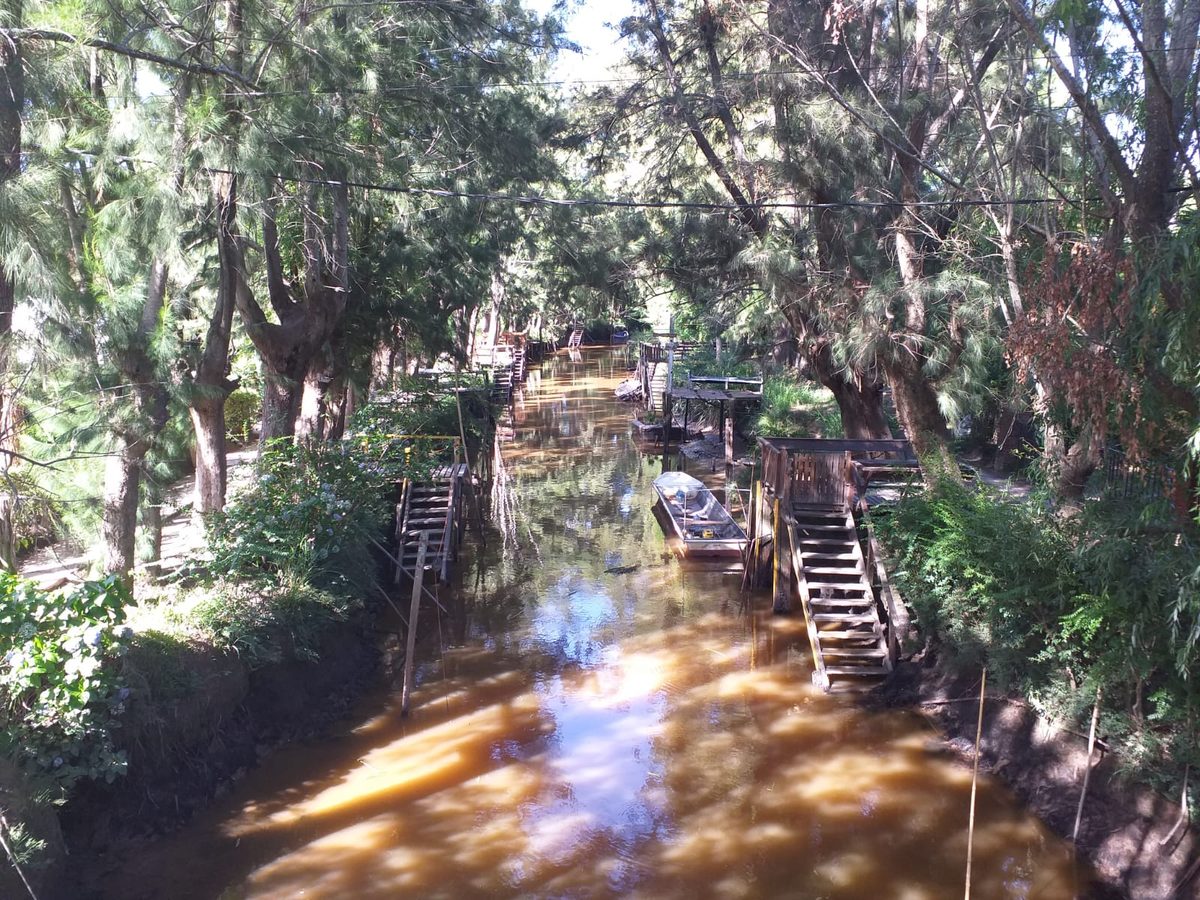
Tigre sits where several rivers braid into the vast, maze-like Tigre delta — one of the largest river deltas on earth, a green labyrinth of channels, islands, rowing clubs and houses that can only be reached by boat. It is genuinely close: roughly 30 km north of the city centre, around an hour door-to-door. That proximity is the whole appeal. Where Colonia or Montevideo eat a full day and a ferry crossing, Tigre can be done in a leisurely half-day, which makes it the obvious choice for families, first-timers, and anyone with a spare morning.
Be honest with yourself about what it is, though: this is a soft, scenic, easygoing outing, not an adrenaline trip. You come for the boat ride, the market, the riverside lunch and the change of pace — not for must-see monuments. For where it ranks against the alternatives, see our roundup of the best day trips from Buenos Aires, and for the full menu of escapes our complete guide to day trips from Buenos Aires sets out everything from Tigre to the pampas and beyond.
The Tigre day trip at a glance
Here is the trip in numbers. All figures are approximate and for mid-2026 — Argentine prices move fast, so treat them as ballpark and check current rates when you go.
| Detail | What to expect |
|---|---|
| Distance from the city | ~30 km north |
| Journey time | ~50–70 min by train |
| How long to allow | Half day minimum; a full day is comfortable |
| Train fare | A couple of US dollars each way with a SUBE card |
| Delta boat tour | ~US$8–20 for a one-hour cruise; private trips more |
| Best for | Families, first-timers, an easy half-day on the water |
| Passport needed? | No — it is in Argentina, unlike Colonia or Montevideo |
How to get to Tigre from Buenos Aires
The good news on how to get to Tigre: it is one of the simplest journeys you will make in Argentina, and the train is both the cheapest and the most fun way to do it. Here are your three options compared.
| Option | Route | Time | Cost (approx) | Good for |
|---|---|---|---|---|
| Mitre train (Ramal Tigre) | Retiro → Tigre, direct | ~50–70 min | ~US$1–2 with SUBE | Cheapest & easiest |
| Tren de la Costa | Mitre to Maipú (Olivos), then scenic line to Tigre | Longer, with a change | A few US$ more | Scenery & a leisurely ride |
| Car / taxi / rideshare | Drive north via the Pan-American | ~40–60 min, traffic permitting | Highest | Groups, no train fuss |
The Mitre commuter train (the easy default)
The Ramal Tigre of the Mitre line runs from Retiro station straight to Tigre, with trains roughly every 15–20 minutes from early morning until late evening. The ride takes about 50–70 minutes and costs only a dollar or two with a rechargeable SUBE card — buy one at any station kiosk if you don’t already have one. One thing to flag for 2026: the Tigre branch was suspended for track works through the early months of the year, but full service back to Retiro resumed in March 2026 and journey times are being trimmed. As always, check the current Trenes Argentinos timetable before you set out. For the full rundown of suburban lines, our Buenos Aires trains guide is the place to start.
The Tren de la Costa (the scenic alternative)
For a prettier approach, take the Mitre line a few stops to Olivos, cross the footbridge to Maipú station, and ride the Tren de la Costa — a light tourist railway that ambles through the leafy northern suburbs of Vicente López, San Isidro and San Fernando before reaching Tigre’s Delta station. It costs a little more and takes longer than the direct train, but the riverside views and the genteel old stations make the journey part of the day out. As of mid-2026 it is running daily, roughly 5am to 10pm, though hours flex on weekends — confirm before relying on it.
Driving or a taxi
You can also drive or take a taxi/rideshare up the Pan-American highway, which is quicker than the train when traffic is light (40–60 minutes) but pricier and less charming. It only really makes sense for a group splitting the fare, or if you are tacking Tigre onto a wider northern-suburbs loop. For more on getting around generally, see our guide to getting around Buenos Aires.
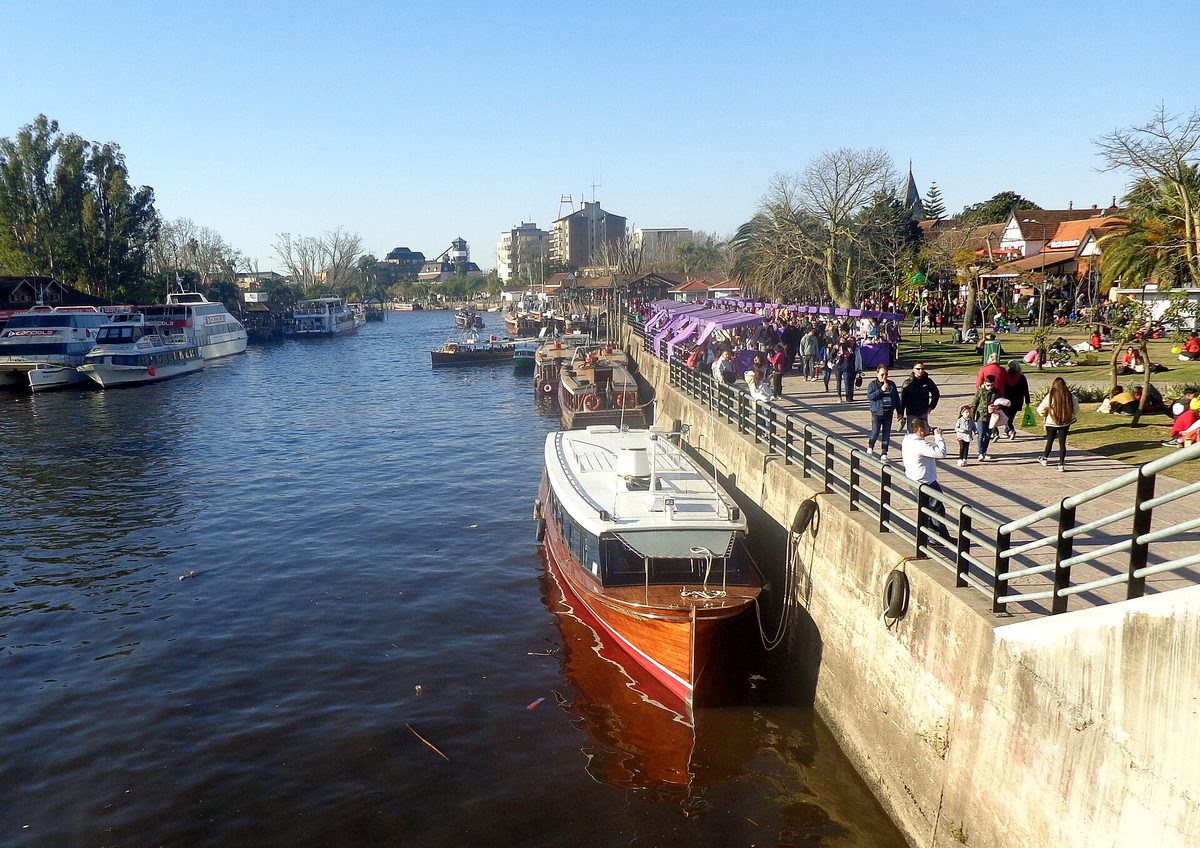
Getting onto the water: boats in the Tigre delta
You have not really done Tigre until you have been on the river. Everything launches from the Estación Fluvial, the busy boat station a short walk from the train, where ticket booths line up side by side. You have three broad choices.
Commuter lanchas (the local way). These are the scheduled passenger boats islanders use to get home — wooden vessels run by lines such as Interisleña that ferry residents and the odd traveller out into the delta. They are cheap, characterful, and let you hop off at an island restaurant or lodge and catch a later boat back. Timetables are aimed at locals, so check return times carefully.
Panoramic tour boats (the easy way). Operators like Sturla Viajes and others run frequent one-hour-ish sightseeing cruises that loop the main rivers and bring you back to where you started — no planning required. Reckon on roughly US$8–20 a head for the standard panoramic trip as of mid-2026, more for catamaran or lunch cruises. This is what most first-timers want.
An organised delta tour (the no-effort way). If you would rather not think about trains or timetables, plenty of companies sell a full tigre delta day tour from Buenos Aires with hotel pickup, transport and a boat ride bundled together. It costs more than doing it yourself, but it is genuinely hands-off — good for families or a tight schedule. Since Argentina lifted most currency controls in 2025, foreign cards are charged near the official rate, so the old “cash for the blue dollar” advice is largely outdated; for the detail see Argentina currency for tourists.
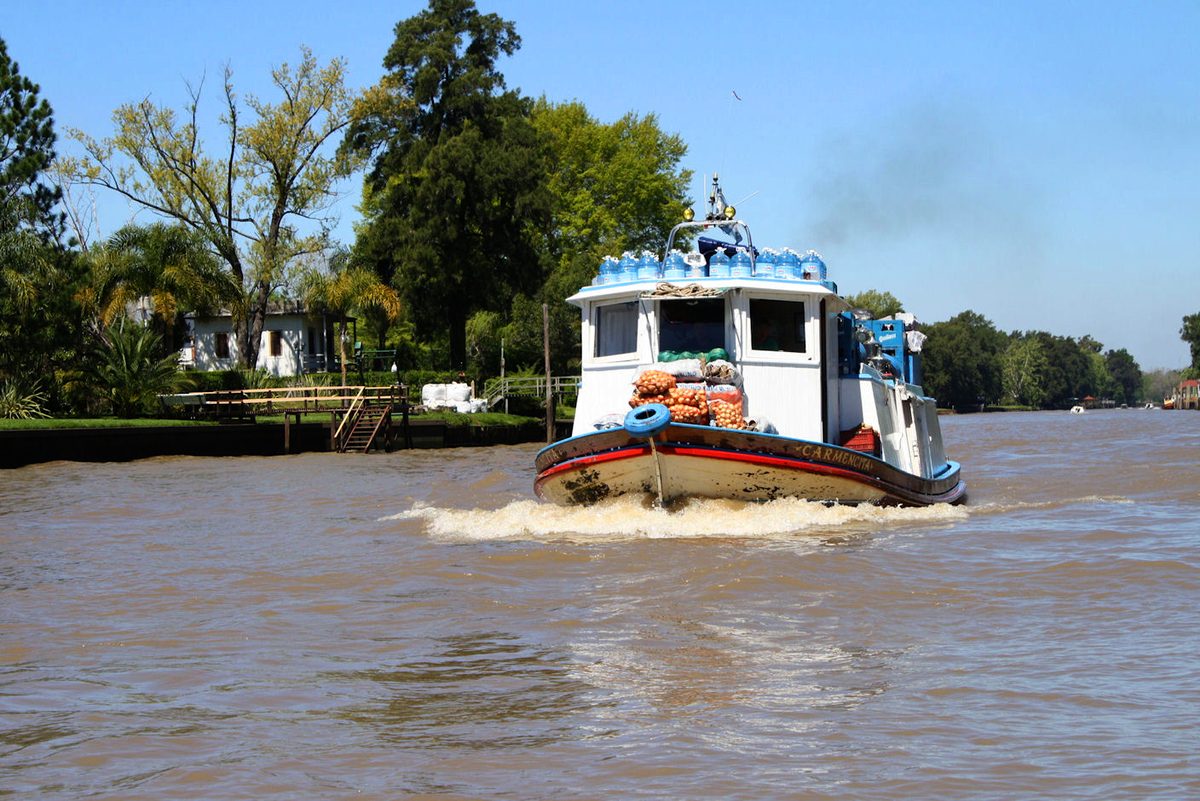
What to do in Tigre once you arrive
Tigre town itself is compact and walkable, strung along the river with a handful of genuine draws. You can easily fill a day, or cherry-pick a couple of these between boat rides.
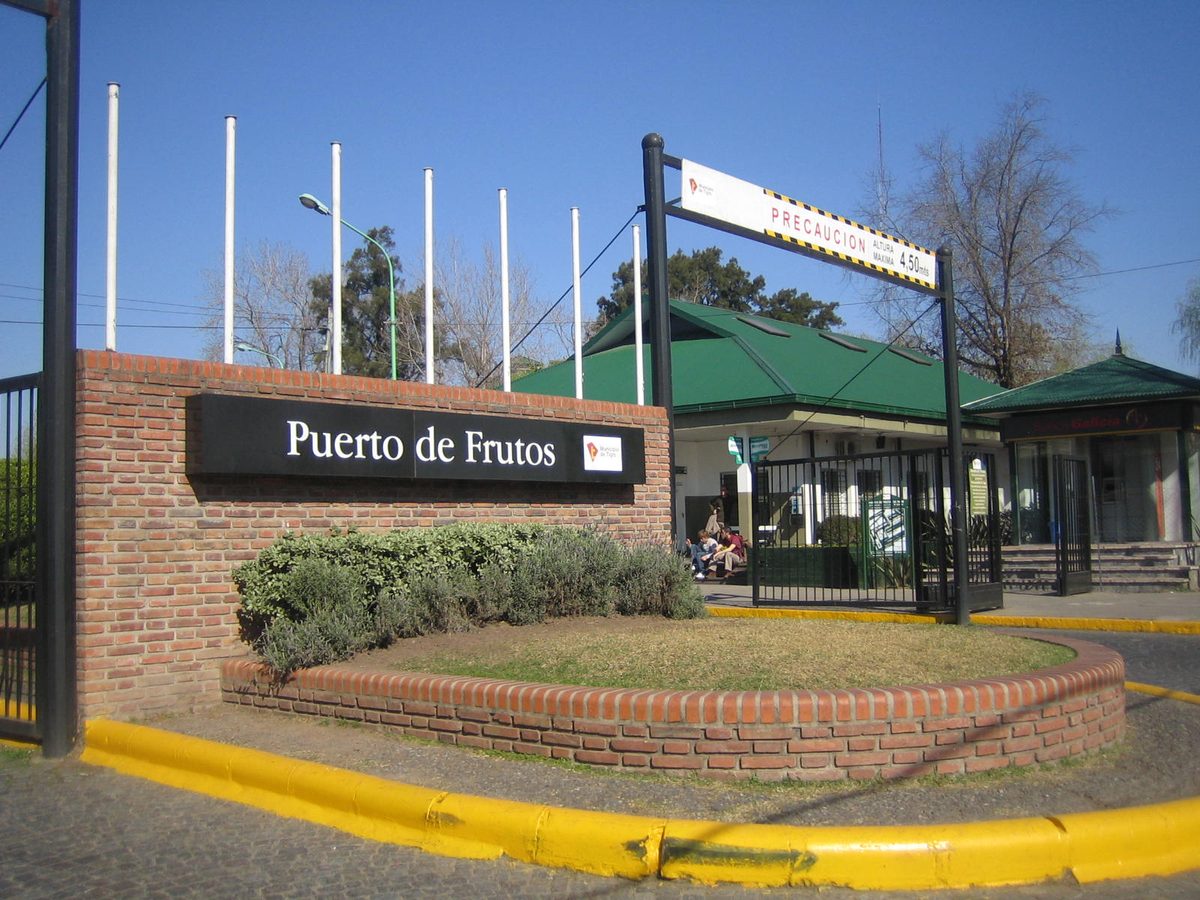
Puerto de Frutos craft market
Once a working fruit-and-timber port, the Puerto de Frutos is now Tigre’s liveliest market — rows of stalls selling wicker, leather, mate gourds, plants, furniture and souvenirs, plus food vendors. It is busiest and best at weekends. Haggling is light and good-natured; go in the morning to beat the crowds.
Museo de Arte Tigre
Housed in a restored Belle Époque social club right on the waterfront, the Museo de Arte Tigre shows 19th- and 20th-century Argentine painting in grand, river-view rooms. Entry is inexpensive and the building — all domes and balconies — is worth the visit on its own. A lovely, low-key hour.
Parque de la Costa
Right by the Mitre tracks, Parque de la Costa is Tigre’s amusement park, with roller coasters, water rides and shows — a reliable hit if you are travelling with children. Day passes tend to run around US$20–30. Check opening days before you commit, as hours are seasonal.
Paseo Victorica and a riverside lunch
The Paseo Victorica is Tigre’s handsome riverfront promenade, lined with restaurants, rowing clubs and mansions — the nicest place in town for a long lunch watching the boats go by. For something more memorable, take a lancha to a delta lodge or island restaurant (Gato Blanco and similar are old favourites) and eat surrounded by water and willow.
How long do you need in Tigre?
Half a day is the honest minimum: train out, a one-hour boat cruise, the Puerto de Frutos and lunch, then the train back — comfortably four to six hours all in. Give it a full day and you can add the Museo de Arte Tigre, a longer delta cruise to an island lodge, and time on the Paseo Victorica without rushing. You do not need to stay overnight; Tigre genuinely fits into a single, relaxed day. Slotting it into a longer trip? Our Buenos Aires itinerary shows where a Tigre day sits best.
What a Tigre day trip costs
This is one of the cheapest days out from the capital, and your biggest variable is how you do the boat. As a rough mid-2026 guide, per person: the return train is a couple of US dollars with SUBE; a standard one-hour panoramic cruise about US$8–20; a riverside lunch perhaps US$15–30; with museum or amusement-park entry on top. A do-it-yourself day can come in under US$40 a head, while a fully organised tour with pickup costs considerably more for the convenience. It is worth weighing against the wider cost of day trips from Buenos Aires when you compare Tigre with the pricier Uruguay options.
Who Tigre suits (and who might skip it)
Tigre is made for families (the boats and amusement park keep kids happy), first-timers who want a taste of the delta without logistics, and anyone with only a spare half-day — the soft, easy, low-cost escape. If you are after dramatic scenery, colonial streets or a deeper cultural hit, you may prefer the cobbled UNESCO town of Colonia del Sacramento in Uruguay, or the gaucho heartland of San Antonio de Areco on the pampas. Plenty of travellers do Tigre and one of those — exactly what our guide to day trips from Buenos Aires helps you plan.
Frequently asked questions
Is a Tigre day trip from Buenos Aires worth it?
Yes — for the effort involved it is excellent value. In under an hour you swap the city for a vast river delta, and a half-day buys you a boat ride, a craft market, a riverside lunch and a real change of pace. Set expectations right: it is gentle and scenic rather than spectacular, which makes it ideal for families and first-timers.
How do you get to Tigre from Buenos Aires?
The simplest way is the Mitre commuter train’s Ramal Tigre from Retiro station, about 50–70 minutes and a dollar or two with a SUBE card. For a scenic ride, switch at Olivos to the Tren de la Costa. You can also drive or take a taxi up the Pan-American highway in 40–60 minutes, or book a tour with hotel pickup.
How long do you need in Tigre?
Allow half a day at minimum — roughly four to six hours including travel, a one-hour boat cruise, the Puerto de Frutos market and lunch. A full day lets you add the Museo de Arte Tigre, a longer delta cruise to an island restaurant, and a stroll along the Paseo Victorica. There is no need to stay overnight.
Do you need a boat tour in Tigre?
You don’t have to, but getting on the water is the whole point of Tigre, so most visitors do. Options range from cheap commuter lanchas the islanders use, to one-hour panoramic tour boats from the Estación Fluvial, to private hires. Even the shortest cruise through the delta channels is what makes the trip memorable.
Is Tigre good for families with kids?
Very. The boat rides are a hit with children, the Parque de la Costa amusement park is right by the station, and the Puerto de Frutos and riverside promenade are easy with a stroller. Distances are short, the train is simple, and the whole outing fits comfortably into a single, low-stress day.
Final thoughts
Of all the escapes from the capital, Tigre asks the least and gives back plenty. Hop on the Mitre train, take any boat you like out into the delta, browse the Puerto de Frutos, and eat lunch with your feet almost in the water — then roll back into the city by dinnertime, no passport stamped and barely any money spent. It is the perfect first day trip, and an easy add-on to any Buenos Aires stay. When you are ready to compare it with the rest, our complete guide to day trips from Buenos Aires and our deeper dive into the best things to do in Buenos Aires will help you fill the rest of the trip.
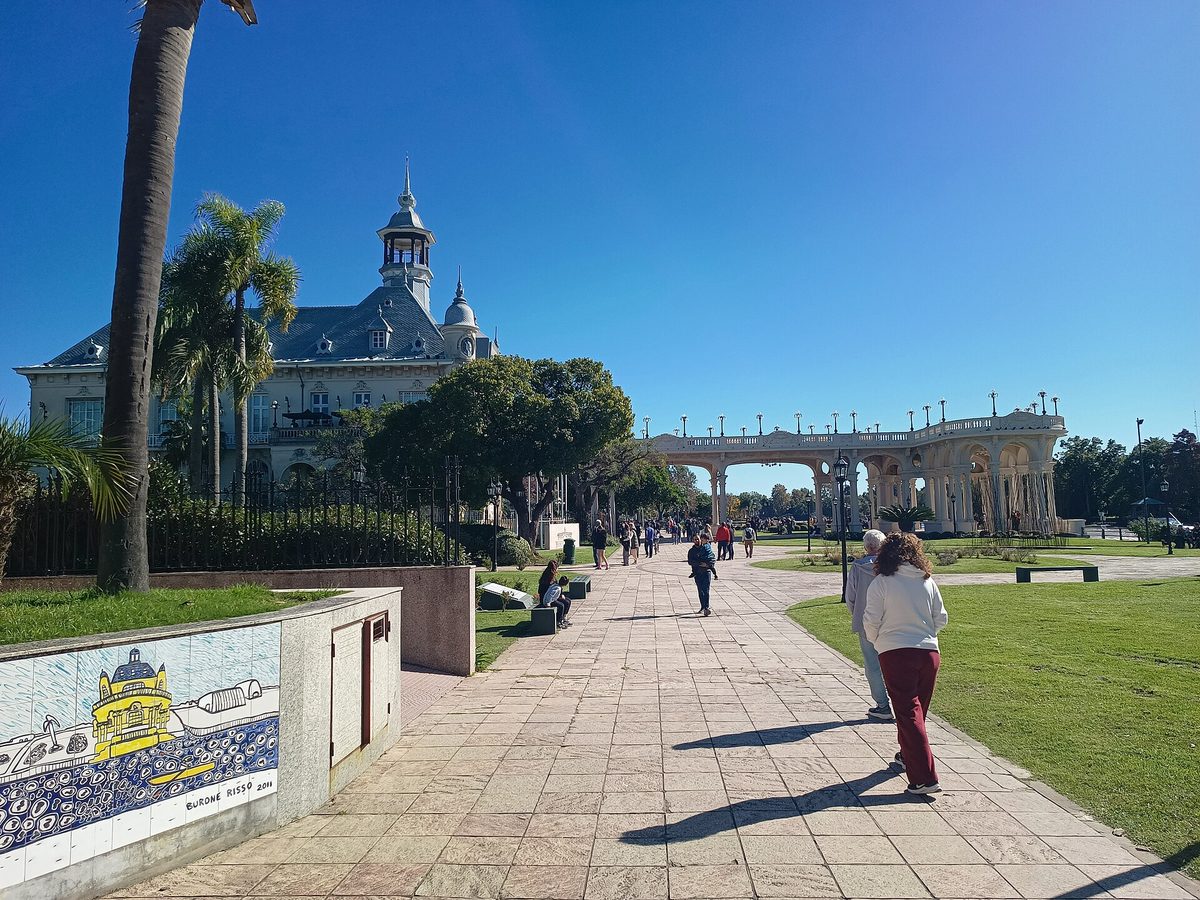
Photo credits
- tigre-day-trip-from-buenos-aires-river.jpg — Photo: Vlasta x / CC BY-SA 4.0 via Wikimedia Commons — Wikimedia file page
- tigre-delta-channel.jpg — Photo: pandrcutts (Robert Cutts) / CC BY 2.0 via Wikimedia Commons — Wikimedia file page
- tigre-puerto-de-frutos.jpg — Photo: Rcidte (CC0 / public domain) via Wikimedia Commons — Wikimedia file page
- tigre-museo-arte.jpg — Photo: Ezerma (CC0) via Wikimedia Commons — Wikimedia file page
- tigre-estacion-fluvial.jpg — Photo: Roberto Fiadone / CC BY-SA 4.0 via Wikimedia Commons — Wikimedia file page