Last updated: June 2026 · Written by the Buenos Aires Tourism editorial team
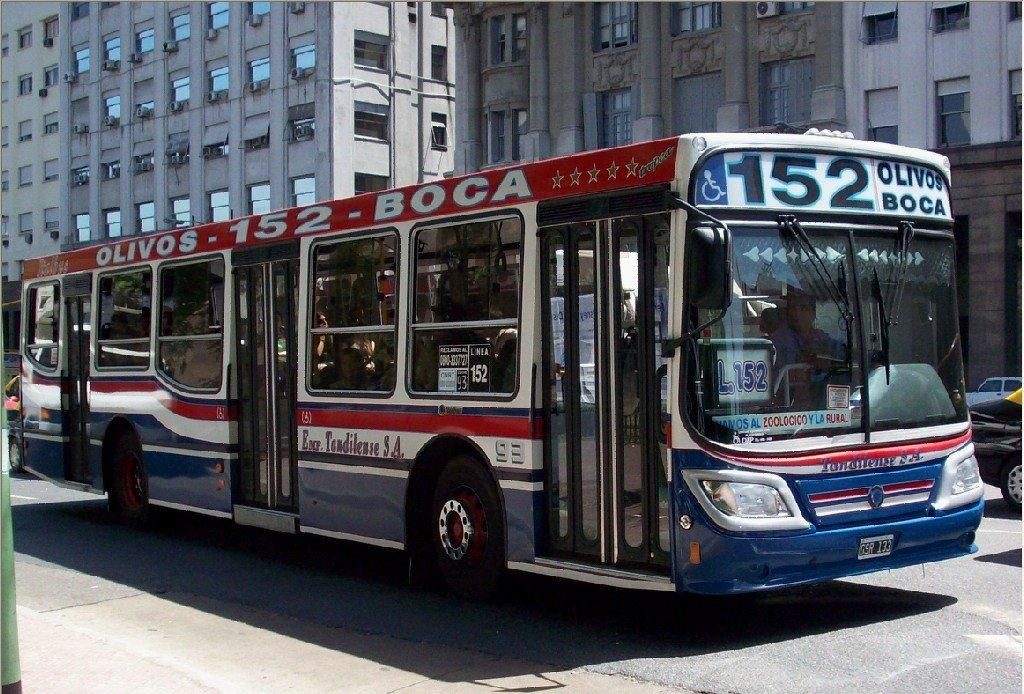
The first time I tried to flag down a colectivo on Avenida Santa Fe, I stuck my arm out like I was hailing a taxi, the driver blew straight past me, and I stood there feeling like a tourist who had failed a basic life skill. Two weeks later I was riding the 152 to Palermo half-asleep at 3am without a second thought. That gap — between terrified and totally at home — is smaller than you think, and this buenos aires colectivo bus guide exists to close it for you fast.
Short version: Buenos Aires has roughly 140 city bus lines (locals call them colectivos or just el bondi) crisscrossing every corner of the city around the clock. They are cheap, go everywhere the Subte does not, and many run 24 hours. Pay with a SUBE card, raise your hand to flag the bus, tell the driver where you are going, tap, and ride.
Why this Buenos Aires colectivo bus guide starts with the buses, not the metro
People obsess over the Buenos Aires Subte (metro), and it is excellent for fast trips along its six lines. But the Subte closes around 10–11pm and covers only a fraction of this sprawling city. The colectivos are the connective tissue that fills in everything else: there is almost nowhere you cannot reach by bus, and on most major avenues one rolls past every few minutes.
Here is what makes them genuinely great once you stop being intimidated:
- They are dirt cheap. A single ride costs only a few hundred pesos with a SUBE card — roughly the loose-change equivalent of well under a US dollar at mid-2026 rates (always check the current fare, because Argentine prices move fast). It is one of the best transport bargains in any major capital.
- They go everywhere. Around 140 lines blanket the city and the surrounding suburbs. Whatever neighborhood, market, or stadium you are aiming for, a bus passes near it.
- Many run all night. A large share of lines operate 24/7. When the Subte is shut and you would rather not pay for a taxi, the bondi is there, even at 4am.
- They are frequent. On busy corridors you rarely wait more than 5–10 minutes in the daytime. Frequencies drop overnight but the buses keep coming.
For the full picture of how buses fit alongside the metro, trains, taxis and walking, see our complete guide to getting around Buenos Aires — the colectivo is one piece of a very well-connected puzzle.
The intimidation factor (and why it melts away)
Let me be honest about why so many visitors avoid the colectivos and stick to the Subte or Uber. The network looks chaotic: hundreds of numbered lines, no central map at most stops, fast drivers who do not speak English, and a flagging-and-paying ritual nobody explains. The first ride feels like an exam you did not study for.
The good news: smartphone apps have demystified the whole Buenos Aires bus system. You no longer decode a paper map or ask strangers which bus goes where. Type your destination into an app, it names the line and the corner to stand on, and the “chaos” becomes a series of clear instructions — most of the intimidation solved before you leave your apartment.
How to take a bus in Buenos Aires, step by step
This is the core of any honest how to take bus in Buenos Aires walkthrough. Do these things in order and you will ride like you have lived here for years.
1. Find your line and your stop (use an app)
Never guess. Open one of these before you head out:
- Cómo Llego — the official Buenos Aires city transport app and website. It is purpose-built for this network, knows every colectivo line, and shows you door-to-door routes combining bus, Subte and walking. This is the local favorite.
- Google Maps — works well here for transit directions and is probably already on your phone. It names the bus line and shows the stop, though Cómo Llego is sometimes more precise on local quirks.
- Moovit — popular with commuters, with live arrival estimates and clear step-by-step routing.
Punch in where you are and where you want to go. The app gives you a line number (say, the 39 or the 152), the exact corner to wait on, and the direction of travel. Walk to that corner.
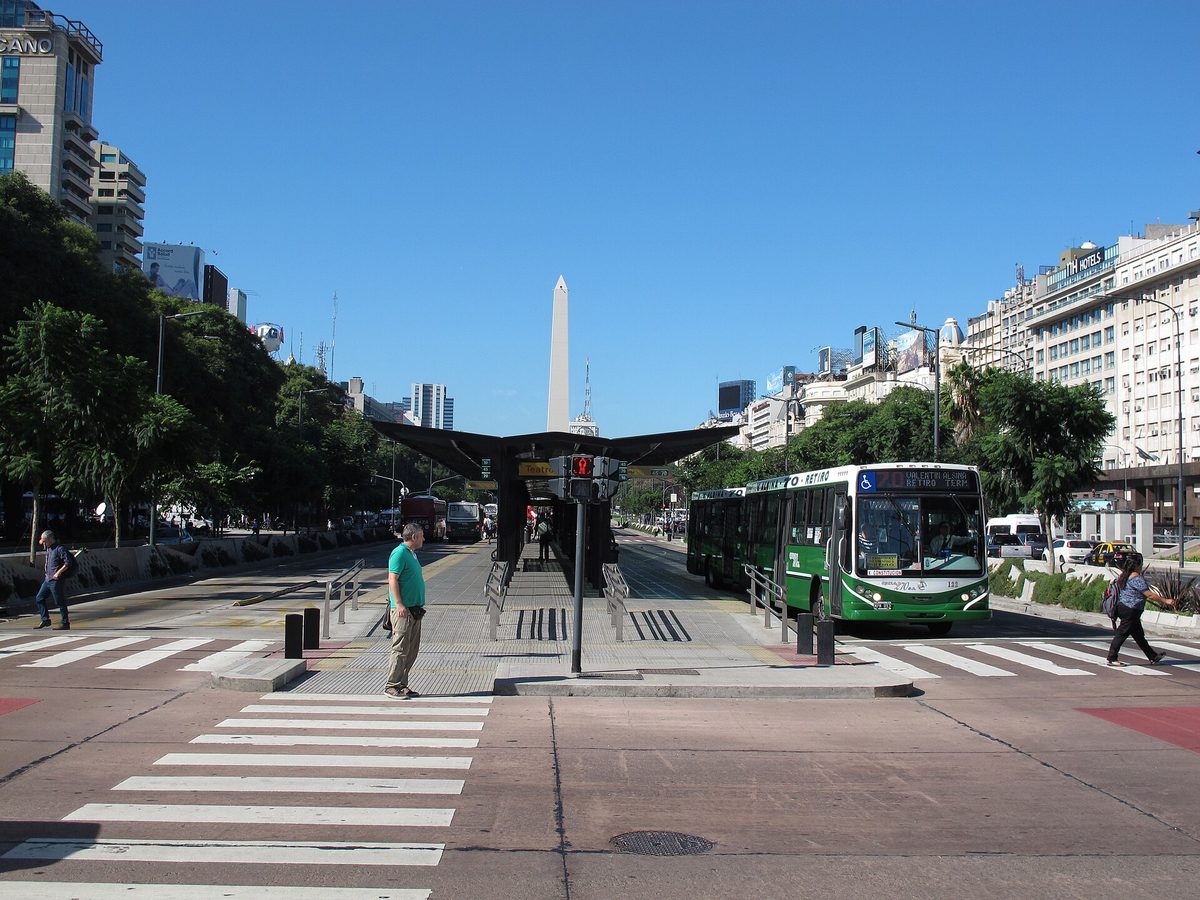
2. Flag the bus down — raise your hand
This is the step that trips up everyone, including past me. Colectivos do not automatically stop at every stop. If nobody is waving and nobody on board has requested that stop, the driver sails right past. So when you see your line approaching, stick your arm out clearly toward the street, the way you would hail a taxi. Make eye contact with the driver. He will pull in.
At stops served by many lines, only flag the specific number you want, or you will have buses stopping for you that you do not need. Check the big number in the front window as it approaches.
3. Board and pay with SUBE
You pay with a SUBE card — the contactless travel card that works on every colectivo, the Subte and the trains. Get one before you plan to ride buses, because most colectivos no longer accept cash at all. Our full guide to the SUBE card covers where to buy and load it.
When you board, head to the small machine just past the driver. Some drivers will ask “¿hasta dónde?” (how far are you going?) because the fare technically varies slightly by distance — just say your destination or the neighborhood, and the driver punches in the zone. Many will simply wave you to tap. Hold your SUBE card flat against the reader until it beeps and shows the fare and your remaining balance. That is it.
If your card is low and the machine rejects it, you cannot pay onboard, so keep a healthy balance loaded. A near-empty SUBE at a lonely stop at midnight is a rookie mistake worth avoiding.
4. Find a spot and ride
Move toward the back as you board so others can get on behind you. Grab a pole or strap if standing — drivers here are enthusiastic with the accelerator and brake. Rear seats are fair game; the front ones are courtesy seats for the elderly, pregnant passengers, and people with small children. Argentines are good about giving these up, and you should too.
5. Press the button to get off
Just like flagging it down, the bus will not stop at your destination unless someone requests it. As you near your stop, press one of the red parada (stop) buttons mounted on the poles. You will hear a chime and see a “stop requested” light. Then make your way to the rear doors and step off when it pulls in. If you miss the button, the driver keeps going to the next person’s stop.
Colectivo vs. the other ways to get around
Where does the bus fit against your other options? Here is my honest at-a-glance comparison for a typical city trip.
| Mode | Rough cost | Speed | Hours | Best for |
|---|---|---|---|---|
| Colectivo (bus) | Cheapest | Medium (traffic-dependent) | Many 24/7 | Going anywhere, late nights, budget travel |
| Subte (metro) | Very cheap | Fast on its lines | ~5am–11pm | Quick trips along the six lines |
| Uber / Cabify / taxi | Most expensive | Fast, door-to-door | 24/7 | Luggage, groups, late nights, comfort |
| Walking | Free | Slow | Anytime | Short hops within a barrio |
For a deeper comparison of when a cab beats the bus, see our guide to Uber, Cabify and taxis in Buenos Aires. And if you are crunching a budget, the colectivo is the single biggest money-saver in our Buenos Aires travel cost breakdown.
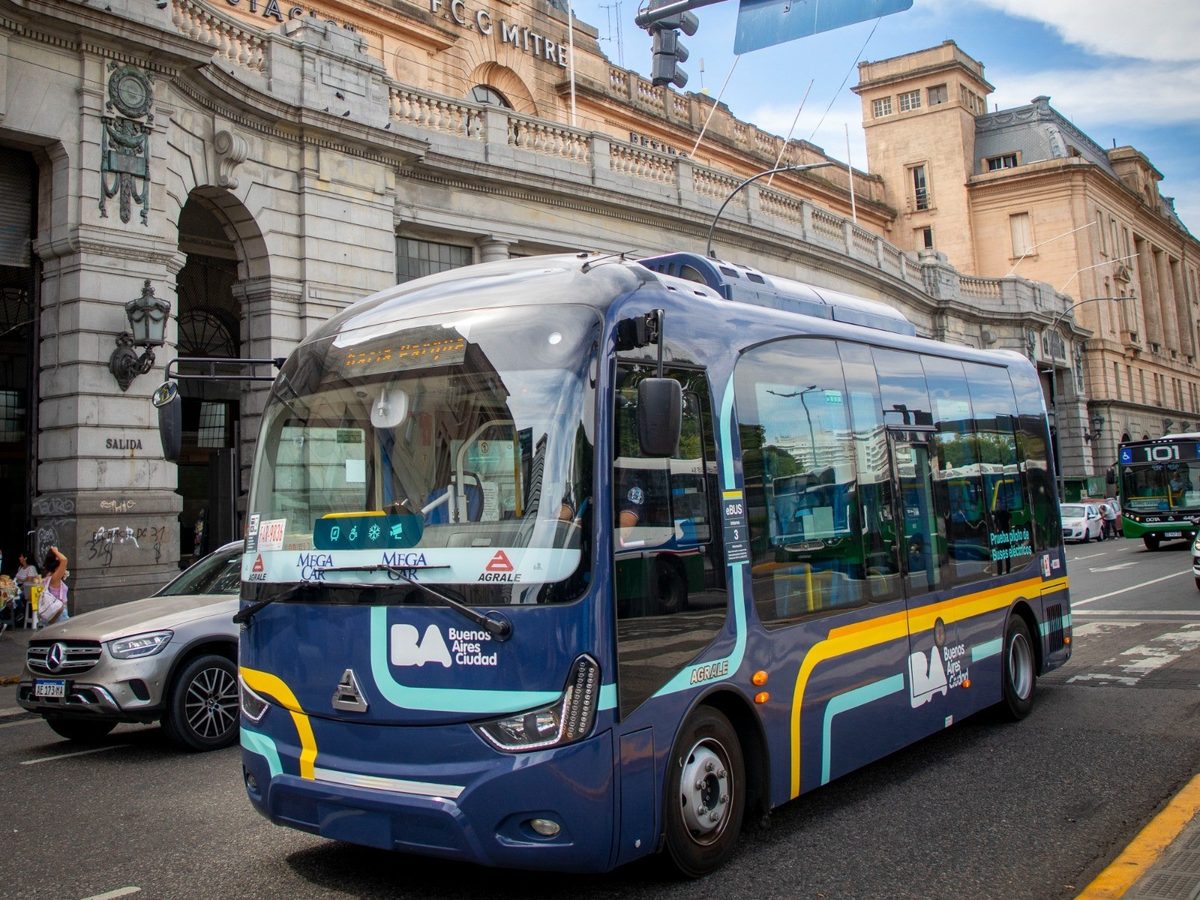
Fares, hours and the all-night network
A single colectivo ride costs only a few hundred pesos with SUBE — comfortably under a US dollar at mid-2026 rates. Because Argentina’s inflation is high and fares are adjusted often, treat any peso figure (including this one) as a rough guide and confirm the current fare when you arrive; the SUBE balance shown after you tap is the source of truth. Small distance-based fare bands exist, which is why a driver may ask how far you are going.
The 24-hour coverage is the colectivo’s superpower. While the Subte sleeps, a big share of lines run through the night at reduced frequency. For night owls coming home from a late dinner or a milonga — and this city runs late — the night bus is a cheap, reliable lifeline.
Is it safe to ride the colectivo at night?
Generally yes, with normal big-city sense. Buses are well-used at all hours and the driver is right there. Keep your phone and valuables out of sight, especially near the doors; petty pickpocketing is the main risk, nothing dramatic. Sit near the driver late at night if it reassures you, and stay aware at empty stops. None of this is colectivo-specific — it is the same street-smart behavior our Buenos Aires travel tips recommend everywhere.
Apps to plan your ride
If you remember nothing else, remember this: download an app and the colectivo becomes effortless. My ranked picks:
- Cómo Llego (official BA city app & website) — the most accurate for local bus routing.
- Google Maps — reliable, familiar, great for combining bus + Subte + walking.
- Moovit — strong live arrival predictions.
Download an offline map or buy a local SIM/eSIM so you have data on the move — planning a route is much easier with a connection. Knowing which Buenos Aires neighborhood you are heading to also helps you sanity-check the app’s suggestion.
Quick do’s and don’ts
- Do raise your hand to flag the exact bus number you want.
- Do keep your SUBE card loaded with a comfortable balance — no cash backup exists onboard.
- Do press the red parada button before your stop.
- Do give up the front courtesy seats to those who need them.
- Don’t assume the bus stops automatically — it won’t, in either direction.
- Don’t block the rear doors; exit promptly so the bus can move.
- Don’t flash your phone or valuables near the doors, day or night.
- Don’t panic if you miss your stop — hop off at the next one and walk back; everything is close.
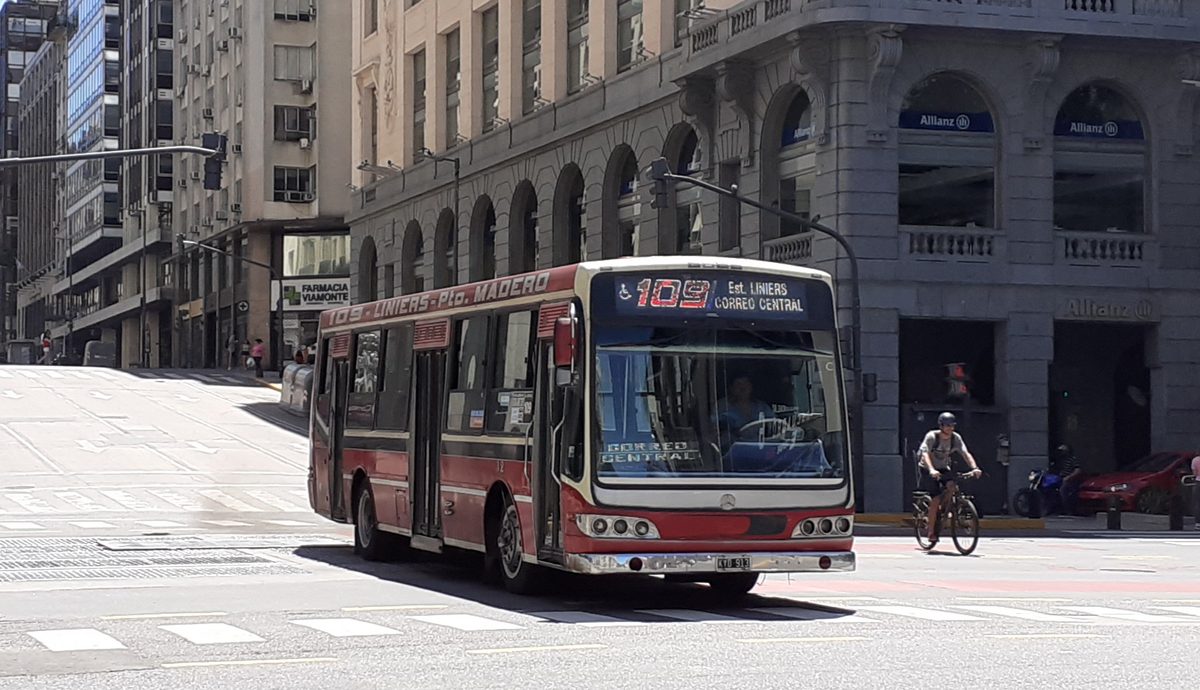
Who the colectivo suits
The bus is ideal for budget travelers, anyone staying more than a couple of days, night owls, and the curious who want to see the city at street level rather than from underground. It is less ideal if you are hauling heavy luggage to or from the airport (take a transfer or cab), traveling in a large group where a single Uber is barely pricier, or in a genuine hurry across town in heavy traffic, where the Subte may be faster. For longer hops to the suburbs, the commuter trains often beat the bus on speed.
Frequently asked questions
Do I need a SUBE card to ride the colectivo?
Effectively yes. The vast majority of Buenos Aires buses no longer accept cash, so a SUBE card is the standard way to pay. Buy one at a kiosk, Subte station or designated outlet, load some credit, and you are set for buses, the Subte and the trains. Keep a healthy balance, since you cannot top up onboard.
How do I know which colectivo to take?
Use an app — Cómo Llego (the official city app), Google Maps, or Moovit. Enter your destination and it returns the exact line number, the corner to wait on, and the direction. The network has around 140 lines, so guessing is hopeless; the app turns it into simple turn-by-turn instructions.
How do I make the bus stop for me?
To board, stand at the bus stop and raise your arm clearly toward the approaching bus, like hailing a taxi — only flag the specific line number you want. To get off, press a red parada button on a pole before your stop. Colectivos do not stop automatically in either case.
Are colectivos safe for tourists?
Yes, with ordinary big-city awareness. Millions of Porteños ride them daily. The main risk is petty pickpocketing, so keep valuables tucked away, particularly near the doors and in crowds. Late at night, sitting near the driver and staying alert at quiet stops is sensible. There is nothing uniquely risky about the bus itself.
Do colectivos run all night?
Many do. A large share of the roughly 140 lines operate 24 hours, at lower frequency overnight. When the Subte closes around 10–11pm, the night bus is your cheapest way home. Check your line’s hours in an app, as not every route runs through the small hours.
Final thoughts
The colectivo is the single best way to feel like you actually live in Buenos Aires rather than just visiting it. Yes, the first ride is a tiny leap of faith — the arm wave, the SUBE tap, the red button — but once those three reflexes click, the entire city opens up to you for pocket change, day or night. Load your SUBE, download Cómo Llego, raise your hand, and go. You will wonder why you ever found it intimidating. For the bigger map of everything from the Subte to the ferry, keep our guide to getting around Buenos Aires bookmarked.
Photo credits
- Colectivo line 152, Buenos Aires — Photo: Soloyo rodrigo (CC0 / Public domain) via Wikimedia Commons.
- Colectivos on the Metrobus, Avenida 9 de Julio — Photo: Andrzej Otrébski (CC BY-SA 4.0) via Wikimedia Commons.
- Buenos Aires Ciudad electric city bus at Retiro — Photo: GCBA (CC BY 2.5 ar) via Wikimedia Commons.
- Colectivo line 109 in downtown Buenos Aires — Photo: Hurfer (CC BY-SA 4.0) via Wikimedia Commons.