Ask a porteño where they are from and they will not say “Buenos Aires.” They will say Palermo, or Boedo, or Villa Crespo — because in this city the barrio is the unit that matters. Buenos Aires is less a single place than a loose federation of neighborhoods, each with its own accent, architecture, and sense of itself, and the fastest way to feel like you understand the city is to understand its barrios.
The Buenos Aires neighborhoods most travelers care about are a manageable handful: leafy, refined Recoleta; sprawling, restaurant-mad Palermo; cobblestoned, bohemian San Telmo; colorful, football-mad La Boca; the gleaming waterfront of Puerto Madero; and the historic downtown of Monserrat and the Microcentro. Learn what each is like and you can plan a trip that actually fits you.
This guide is the orientation layer — what each barrio feels like, what to see there, who it suits, and how safe it is — so you can decide where to spend your days. When it comes time to book a bed, hand off to our dedicated guide to booking a bed, and once you know your barrios, our things to do in Buenos Aires guide maps the sights onto them. Officially the city has 48 barrios; you only need to know about fifteen, and you will spend most of your time in six.

How the Buenos Aires Neighborhoods Fit Together
Picture the city as a fan opening out from the brown sweep of the Río de la Plata on its eastern edge. Down in the south lie the oldest, most atmospheric barrios — San Telmo, La Boca, Constitución — full of history and grit. The center is the downtown engine: Monserrat’s plazas and government buildings, the Microcentro’s offices and theaters, and Retiro’s grand transport hubs. From there the city climbs northwest through the elegance of Recoleta into the vast green-and-restaurant sprawl of Palermo, and on to the affluent residential calm of Belgrano and Núñez. To the west sit the workaday middle-class barrios where most porteños actually live — Almagro, Caballito, Boedo — and, threaded between Palermo and the cemetery district, the fast-rising hipster arc of Villa Crespo, Chacarita, and Colegiales. The newest barrio of all, Puerto Madero, was bolted onto the waterfront in the 1990s and feels like it.
One quirk worth knowing: locals talk in sub-areas that are not official barrios at all. “Palermo Soho,” “Palermo Hollywood,” “Las Cañitas,” and “Barrio Chino” are all colloquial nicknames, and they are how everyone navigates. I will use them too, because they are far more useful than the official map.
Buenos Aires Neighborhoods at a Glance
Before the deep dives, here is the shape of the main barrios in one scannable table — the vibe, who each suits best, a rough safety read, and whether the Subte (metro) reaches it.
| Barrio | Vibe | Best for | Safety | Subte |
|---|---|---|---|---|
| Palermo | Leafy, hip, endless food & bars | First-timers, foodies, nightlife, nomads | Very good | Lines D & B |
| Recoleta | Grand, European, refined | Couples, culture, quiet elegance | Very good | Line D |
| San Telmo | Old, bohemian, tango, cobblestones | History lovers, budget, first-timers | Good (core) | Line C/E nearby |
| La Boca | Colorful, working-class, football | Day visits: Caminito & Boca | Caution — daytime, core only | None (taxi) |
| Monserrat / Microcentro | Historic + financial downtown | Sightseeing, short stopovers | Good by day | Lines A, B, C, D, E |
| Puerto Madero | Modern, polished, waterfront | Luxury, business, quiet | Excellent | None (walk/taxi) |
| Belgrano | Affluent, residential, Chinatown | Families, long stays | Very good | Lines D & Mitre rail |
| Villa Crespo | Local, creative, cheaper Palermo | Budget-savvy, nomads | Very good | Line B |
| Chacarita | Gentrifying, food-forward | Repeat visitors, foodies | Good | Line B |
The Tourist Core: Barrios You Should Not Miss
If this is your first trip, you will spend most of your time in these six. They hold the landmarks, the atmosphere, and almost everywhere you would want to sleep.

Palermo: The City’s Beating Heart, Decoded
Palermo is the barrio everyone means when they rave about Buenos Aires — and it is so big that it has fractured into sub-areas that confuse every first-timer. Here is the plain-English map. Palermo Soho is the cool core: cobblestoned pasajes draped in street art, independent boutiques, specialty coffee, and the weekend artisan market on Plaza Serrano. Palermo Hollywood, just across the railway tracks and Avenida Juan B. Justo, is where the restaurants and late-night bars cluster (it got its name from the TV and radio studios that moved in). Las Cañitas is a tidy little grid of restaurants near the polo field and the military college — one of the safest, most low-key pockets in the city. Palermo Chico is the embassy-and-mansion enclave, home to the superb MALBA museum. And wrapping the whole thing is the green expanse of the Bosques de Palermo — the parks, the rose garden, the Japanese Garden, the planetarium.
Who is it for? Almost everyone. It is my default recommendation for first-timers, food obsessives, nightlife seekers, and digital nomads alike, because it is green, walkable, safe, and you could eat somewhere brilliant every night for a month and not repeat. The trade-off is that it is the most “international” barrio — you will hear plenty of English. Go deeper in our dedicated Palermo neighborhood guide, and plan your evenings with the nightlife guide.

Recoleta: The Paris of South America
If Palermo is where the city plays, Recoleta is where it puts on its good coat. This is the most European-feeling barrio — wide, tree-lined avenues, ornate French-style apartment blocks, grand hotels, and a hush of old money. Its centerpiece is the extraordinary Recoleta Cemetery, a marble city of mausoleums where Eva Perón is buried (covered in full in our Recoleta Cemetery guide). Around it you will find the free Museo Nacional de Bellas Artes, the giant Floralis Genérica flower sculpture, and, on weekends, a sprawling artisan market on the Plaza Francia lawns. It is calm, genuinely safe, and walkable to downtown. Who is it for? Couples, honeymooners, museum-and-architecture lovers, and anyone who wants elegance over edge. The full picture is in the Recoleta neighborhood guide.

San Telmo: Buenos Aires Through a Sepia Filter
San Telmo is the oldest barrio in the city and my favorite to simply wander. Picture narrow cobblestone streets, crumbling 19th-century mansions turned into antique shops, old-world cafes, and tango drifting out of doorways. The big set piece is the Feria de San Telmo, the Sunday street fair that unrolls the length of Calle Defensa, but the barrio rewards you any day: the wrought-iron Mercado de San Telmo for lunch, the underground tunnels of El Zanjón de Granados, leather and antiques, and a milonga if you want to dance. It is bohemian, atmospheric, and a backpacker favorite for good reason — it is the cheapest of the central barrios to stay in. The honest safety note: the tourist core is fine, but it sits next to rougher streets, so keep your wits about you at the edges and after dark. It is also the spiritual home of the city’s tango scene. More in the San Telmo neighborhood guide.

La Boca: Color, Football & Knowing Where to Stop
La Boca is the old immigrant port barrio, where Genoese dockworkers painted their corrugated-metal houses in clashing colors and, in the bars and dance halls, tango was born. Today the famous slice of it is Caminito, a short pedestrian lane blazing with color where dancers perform for tips. I will be straight with you: Caminito is the single most touristy spot in Buenos Aires, compact and a bit of a theme park — go, enjoy it for an hour in the morning, and set your expectations accordingly. A few streets away looms La Bombonera, the cauldron-like home of Boca Juniors and a place of genuine pilgrimage for football fans (plan it with the Buenos Aires fútbol guide). The crucial rule for La Boca: stay within the tourist core around Caminito and the stadium, visit in daylight, and take a taxi or Cabify to and from rather than walking in from elsewhere. Beyond those few blocks it is a poor, working barrio that is not set up for tourists. The full briefing is in the La Boca guide.
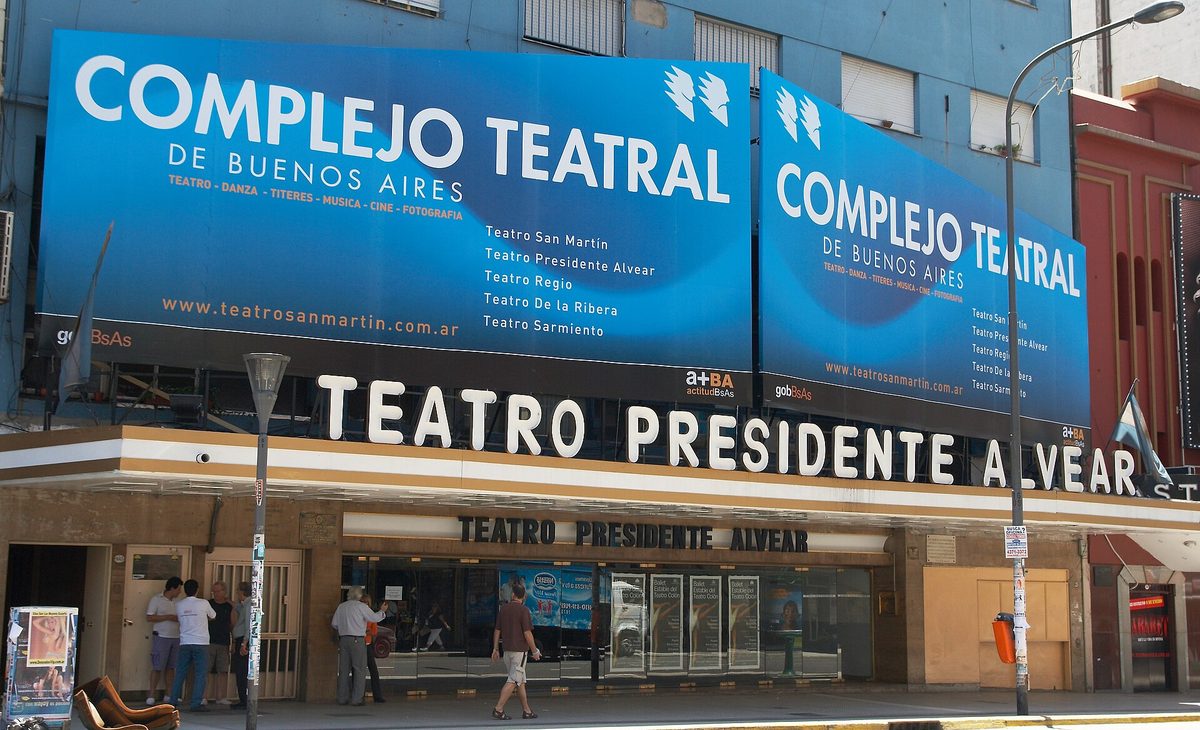
Monserrat & the Microcentro: The Historic and Financial Downtown
The city’s center splits into two moods. Monserrat is the historic heart — Plaza de Mayo, the pink Casa Rosada, the cathedral, the Dante-inspired Palacio Barolo, and the grand sweep of Avenida de Mayo. The Microcentro (officially San Nicolás) is the buzzing financial-and-theater downtown: the Obelisco, the vast Avenida 9 de Julio, the world-class Teatro Colón, the pedestrian shopping street Calle Florida, the frescoed Galerías Pacífico, and the theater lights of Avenida Corrientes. It is essential for sightseeing and stitched together by every Subte line. As a base, though, I am lukewarm: it is loud and businesslike by day and empties out at night, when it feels less inviting. Great to visit, fine for a one- or two-night stopover, less so for a week. The downtown sights are mapped in our things to do guide and the Microcentro guide.
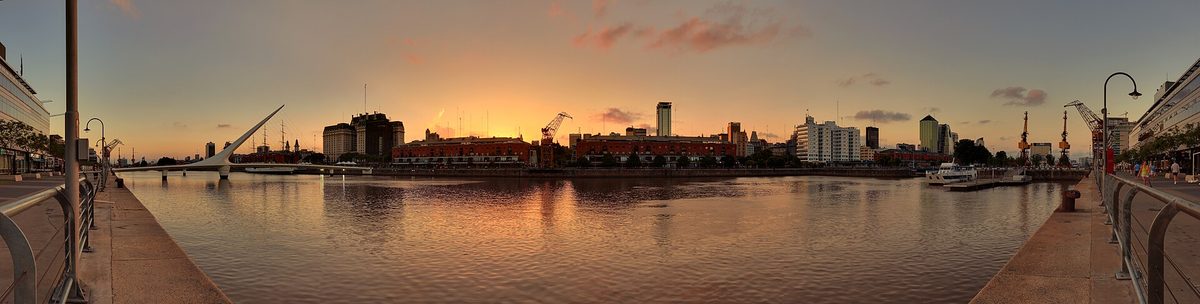
Puerto Madero: Shiny, Safe & a Little Soulless
Puerto Madero is the new kid — the old docklands redeveloped in the 1990s into a strip of glass towers, converted red-brick warehouses, upscale steakhouses, and a pleasant riverside promenade crossed by Santiago Calatrava’s rotating Puente de la Mujer. It is, by some distance, the safest and cleanest barrio in the city, which is exactly why some travelers love it and others find it a bit anonymous — it could be a smart waterfront in any global city. The genuine surprise hides right behind it: the Reserva Ecológica Costanera Sur, a free 350-hectare wild wetland alive with birds, one of my favorite escapes in the city. Who is it for? Business travelers, luxury seekers, and anyone who prioritizes a quiet, secure, view-rich base over local character. Details in the Puerto Madero guide.
Retiro: Grand Gateways and a Tale of Two Neighborhoods
Retiro is the elegant hinge between downtown and Recoleta — home to the lovely Plaza San Martín, the British-built clock tower (Torre Monumental), opulent palaces, and a row of five-star hotels. But it is a barrio of sharp contrasts: a couple of blocks behind the grand train and bus terminals sits one of the city’s villas (informal settlements), and the area immediately around the bus station can feel edgy, especially at night. Enjoy the plazas and the architecture by day, keep your bag close around the terminals, and you will be fine.
The Leafy North: Recoleta’s Quieter Cousins
Keep heading northwest and the city turns residential, green, and comfortably affluent — the barrios where porteño families actually live.

Belgrano & Barrio Chino
Belgrano is a large, prosperous, distinctly local barrio — a place of leafy plazas, the busy shopping spine of Avenida Cabildo, good schools, and excellent Subte access on Line D. It is where I would point families and long-stay visitors who want a genuine neighborhood with everything to hand and very little tourist friction. Tucked inside it, a four-block knot of streets off Arribñeños forms the city’s small but lively Barrio Chino (Chinatown), worth a wander for its Asian supermarkets, dumplings, and the riot of its Chinese New Year celebrations in February. The exclusive sub-area of Belgrano R, with its mansion-lined streets, is one of the loveliest residential pockets in the city. Read more in the Belgrano guide.
Núñez
The northernmost barrio in the city proper, Núñez is quiet, residential, and River Plate territory — their colossal Estadio Monumental is here. It is also home to the Espacio Memoria at the former ESMA, a naval facility used as a clandestine detention center during the last dictatorship and now a sobering, essential memorial. Núñez is not a tourist base, but its dining scene has quietly become very good, and it is an easy hop from Belgrano. Our Núñez and northern Buenos Aires guide covers the stadium, the ESMA memorial and where to eat up here.
The Emerging Barrios: Where Buenos Aires Is Happening Now
If you have been to the city before, or you just want to eat and drink where porteños actually do in 2026, point yourself at the arc of barrios just west of Palermo. This is where the energy has migrated.
Chacarita: Palermo’s Cooler, Cheaper Neighbor
Chacarita is the fastest-changing barrio in the city, and right now it is where I send friends who want the most exciting food. Its working-class bones are intact, but along Avenida Jorge Newbery and the surrounding streets you will find natural-wine bars, specialty-coffee roasters, and some of the best new-wave restaurants in Buenos Aires. It is anchored, improbably, by the enormous Chacarita Cemetery — bigger than Recoleta’s and far less visited — where tango legend Carlos Gardel is buried beneath a statue that always has a lit cigarette wedged in its hand. Great for food-forward travelers and nomads. See the Chacarita and Colegiales guide, and book a table via the Buenos Aires food guide.
Villa Crespo: The Creative Quarter
Squeezed between Palermo and Chacarita, Villa Crespo is what locals only half-jokingly call “Palermo Queens” — the same creative, cool energy without the Palermo price tag. It has deep Jewish-immigrant roots, a leather-shopping district along Calle Murillo, fashion outlets, terrific Armenian food, and one of the city’s most beloved cocktail bars (Bar 878, hidden behind an unmarked door). It is genuinely local, very safe, and brilliantly placed for hopping into Palermo. My top pick for budget-savvy travelers and remote workers who want a real neighborhood. More in the Villa Crespo guide.
Colegiales: The Quiet Arts Haven
Between Palermo Hollywood, Chacarita, and Belgrano sits little Colegiales — residential, calm, and quietly creative, with the sprawling Mercado de las Pulgas flea market, indie cafes and bakeries, and the charming Plaza Mafalda (an homage to Argentina’s most famous cartoon character). It has none of Palermo’s buzz, which is exactly the point for the long-stay visitor who wants peace within walking distance of everything.

The Local, Workaday Barrios: Real Buenos Aires
These barrios are not on most tourist itineraries, which is precisely why they are worth a detour if you want to see how the city actually lives.
Almagro & Abasto
Almagro is classic middle-class Buenos Aires with a deep tango pedigree — this is Gardel’s old turf, and the Abasto area (named for the grand old central market, now a shopping mall) holds the Carlos Gardel house-museum. Add the dazzling Art Nouveau confitería Las Violetas and some of the city’s best old-school pizzerias, and you have a barrio that rewards wandering and is beloved by tango pilgrims.
Boedo
Boedo is the old soul — a literary, tango-soaked, residential barrio of historic cafes (the “bares notables”) where you will find a more authentic, less touristy milonga culture than San Telmo can still offer. Quiet, genuine, and a treat for travelers who have already done the headline circuit.
Caballito
Sitting at the exact geographic center of the city, Caballito is solidly, unremarkably middle-class — leafy parks, a vintage tramway that still runs on weekends, the book-and-craft fairs of Parque Rivadavia and Parque Centenario. There is little to “see,” but it is a lovely window into everyday porteño life.
Balvanera, Once & Congreso
West of the Microcentro, Balvanera is dense, commercial, and full of character — the grand Congreso (the national parliament) and its plaza anchor its eastern edge, while Once is a frenetic wholesale-and-market district with vibrant Jewish, Korean, and Peruvian communities and some of the best, cheapest Peruvian food in the city. It also hides architectural gems like the tiled Palacio de las Aguas Corrientes, and it is the heart of the city’s Jewish life — our guide to the Jewish Museum and Buenos Aires’ Jewish heritage starts here. It is rewarding by day but use sense around the Once market streets, especially after dark.
Barrios That Need Extra Care
Buenos Aires is, by big-city standards, fairly safe — but a couple of areas deserve a frank flag.
Constitución is a major train hub that many travelers pass through on the way to the coast or the suburbs. It has real street-crime issues and is not a place to linger or stay; move through it with purpose and your valuables out of sight. Barracas, just south, has pockets of genuine beauty (the mosaic-tiled Pasaje Lanín) and a slow-burning arts revival, but is best visited in daylight and with a little awareness. And to repeat the one boundary that matters most: in La Boca, stick to Caminito and the stadium, and do not wander the residential streets beyond. For the city-wide picture, see our honest is Buenos Aires safe guide.
A Few More Barrios Worth Knowing
Beyond the headliners, a handful of barrios come up often enough — or are rising fast enough — to be worth a line.
Villa Urquiza, out in the northwest, is the next Chacarita: a once-sleepy residential barrio now sprouting excellent restaurants and bars along its plazas, still almost entirely undiscovered by tourists. Saavedra, beyond it, is green, quiet, and purely local. Flores, in the geographic west, is a large, traditional, working-and-middle-class barrio — the childhood home of Pope Francis — with a handsome basilica and zero tourist infrastructure, which is the appeal if you want the real thing. Parque Patricios, south of the center, has been reinvented as the city’s “Distrito Tecnológico,” drawing tech firms and a trickle of cafes into what was a forgotten industrial barrio. And Mataderos, far to the west, is worth a special Sunday trip for the Feria de Mataderos, the most authentic gaucho-and-folk market in the city — horsemen, folk dancing, and country cooking, a world away from San Telmo’s antiques. Several of these make rewarding stops on a deeper exploration; our day trips guide covers the countryside beyond.
Barrio Norte and the Names That Confuse Everyone
One reason Buenos Aires barrios trip people up is that the names locals use do not match the official map. A few translations so you are never lost:
- Barrio Norte is not an official barrio at all — it is a loose, upscale zone straddling the border of Recoleta and Palermo around Avenida Santa Fe. If a hotel says “Barrio Norte,” read it as “the smart streets between Recoleta and Palermo.”
- El Centro (“the center”) is how locals refer to the downtown cluster of Microcentro, Monserrat, and San Nicolás — the offices, the Obelisco, Calle Florida.
- Tribunales is the nickname for the area around the law courts and Teatro Colón, technically part of San Nicolás.
- Abasto and Once are sub-areas (of Balvanera), not official barrios, named for the old produce market and the railway station respectively.
- Congreso refers to the blocks around the national parliament, spanning the Monserrat–Balvanera line.
Get comfortable with these and you will read maps, hotel listings, and locals’ directions the way porteños do. For a visual layout, our Buenos Aires neighborhood map plots them all.
How Long to Spend in Each Neighborhood
If you are sketching an itinerary, here is roughly how much time each barrio rewards:
- Half a day or less: La Boca (Caminito and the stadium are compact), Puerto Madero (a riverside stroll and the eco reserve).
- A full day: Recoleta (cemetery, museums, market), the downtown core (Plaza de Mayo to the Obelisco to Teatro Colón), and San Telmo — ideally a Sunday for the feria.
- Multiple days, on repeat: Palermo, which you will likely sleep in and return to nightly, and whichever emerging barrio you adopt for dinner — Chacarita or Villa Crespo.
- An hour, if you are curious: Barrio Chino in Belgrano, Plaza Mafalda in Colegiales, or the Carlos Gardel sites in Abasto.
The point of Buenos Aires is not to tick off all 48 barrios — it is to go deep in a handful and let yourself get lost in them.
Which Buenos Aires Neighborhood Is Right for You?
Still deciding where to base yourself? Here is the cheat sheet I give friends, matched to the kind of trip you are taking. Pair it with the where to stay guide for specific hotels, and the itinerary guide to plan your days.
- First-time visitor (a week or so): Palermo Soho for green, safe, food-rich ease — or Recoleta if you prefer elegance and calm.
- Couples & honeymooners: Recoleta for romance and grandeur, or Puerto Madero for a quiet waterfront view.
- Nightlife & bar-hoppers: Palermo Hollywood and Soho — you can stumble home from the best bars in the city.
- Budget travelers & backpackers: San Telmo for atmosphere and cheap beds, or Villa Crespo for a local feel near Palermo.
- Families with kids: Belgrano or Las Cañitas — safe, residential, with parks and space; see Buenos Aires with kids.
- History & culture lovers: San Telmo paired with downtown Monserrat puts you in the middle of old Buenos Aires.
- Digital nomads & long stays: Palermo Soho, Villa Crespo, or Chacarita — walkable, café-rich, and social; more in living in Buenos Aires.
- Tango pilgrims: San Telmo, or the more authentic Almagro and Boedo.
- Foodies: a Palermo-and-Chacarita combination covers both the icons and the cutting edge.
- Repeat visitors who want something new: Chacarita, Colegiales, or Boedo — the barrios still flying under the radar.
Safety in Buenos Aires by Neighborhood
Buenos Aires is one of the safer big cities in Latin America for visitors, and violent crime against tourists is rare. The real risk is petty theft — phone-snatching and distraction scams — so the smart approach is awareness, not anxiety. Here is a realistic, barrio-level read:
- Very safe (relax and enjoy): Puerto Madero, Recoleta, Belgrano, Las Cañitas, Palermo.
- Generally safe with normal city sense: San Telmo’s core, Villa Crespo, Chacarita, Colegiales, Almagro, Caballito, Núñez, and the Microcentro by day.
- Use extra caution (especially after dark): the Microcentro in the evening when it empties, San Telmo’s fringes, the streets around Once’s markets, and the area around the Retiro terminals.
- Pass through, don’t linger: Constitución, the edges of Barracas, and La Boca beyond the Caminito tourist core.
Universal habits that keep you out of trouble: keep your phone off the café table and out of sight on the street, carry a cross-body bag, use Cabify or a hailed taxi late at night instead of walking, and don’t flash jewelry or cameras in La Boca. None of this should make you nervous — the tourist barrios are genuinely pleasant to walk. The full rundown lives in our Buenos Aires travel tips.
Getting Between the Neighborhoods
Buenos Aires is huge, so part of choosing a barrio is knowing how you will move between them. The Subte (metro) is the fastest way across the center and north — Line D is the tourist workhorse, running from downtown up through Recoleta, Palermo, and Belgrano. Crucially, some key spots have no Subte at all: neither La Boca nor Puerto Madero is on the network, so you will use a taxi, Cabify, or bus to reach them. The colectivo (bus) system is vast, cheap, and the way locals get around, though it takes an app like Google Maps to decode. For door-to-door trips, especially at night, Cabify and inDriver are cheap, safe, and my default. You will need a rechargeable SUBE card for any public transport — buy one on arrival. Rough hops to calibrate your choices: Palermo to San Telmo is about 15 minutes by taxi; Recoleta to downtown is a 20-minute walk; Belgrano to Palermo is a straight shot on Line D. Everything you need is in our getting around Buenos Aires guide.
When to Visit Each Neighborhood
Timing transforms some barrios. Sundays belong to San Telmo, when the Feria takes over Calle Defensa — and to the artisan markets of Recoleta and Plaza Belgrano. Weekend nights are when Palermo Hollywood and Chacarita truly switch on, rarely before 10pm. La Boca is daytime-only. And the city’s most atmospheric gaucho market, the Feria de Mataderos out west, runs on Sundays for much of the year. If you can time it, Recoleta and Palermo are at their most beautiful in spring (September to November), when the jacarandas wash the avenues purple — see the best time to visit guide. For a barrio-by-barrio map and a ranked shortlist, see our neighborhood map and the best neighborhoods for tourists roundup.
The Plazas: Each Barrio’s Living Room
One thing that ties every Buenos Aires neighborhood together is the plaza. Porteños treat their squares as communal living rooms — for mate-drinking, dog-walking, weekend markets, chess, protest, and flirtation — and the quickest way to feel a barrio’s pulse is to find its plaza and sit a while. Each has its own character: Plaza Serrano (officially Plazoleta Cortázar) is Palermo Soho’s boho hub, ringed with bars and a weekend craft market. Plaza Dorrego in San Telmo fills with antiques on Sundays and tango at dusk. Plaza Francia beside Recoleta Cemetery hosts the city’s best artisan fair on weekends. Plaza San Martín in Retiro is a sweep of green where office workers sprawl under huge old trees. Plaza de Mayo is the nation’s stage, where history still happens. And little Plaza Mafalda in Colegiales, with its statue of the beloved cartoon girl, shows the quieter, more local side of plaza life. Build a couple of unhurried plaza hours into your trip; it is where you stop being a tourist and start being, however briefly, a porteño.
Frequently Asked Questions
What is the best neighborhood to stay in Buenos Aires for first-time visitors?
Palermo (especially Soho) is the easiest first base — green, safe, walkable, and packed with restaurants and bars. Recoleta is the best alternative if you prefer quiet elegance and proximity to museums. Both are central, well-connected, and very safe.
Which Buenos Aires neighborhood is the safest?
Puerto Madero is statistically the safest, followed closely by Recoleta, Belgrano, and the Las Cañitas pocket of Palermo. All the main tourist barrios are safe with normal precautions; the areas to be careful in are Constitución, La Boca beyond Caminito, and Once after dark.
What is the difference between Palermo Soho and Palermo Hollywood?
They are adjacent sub-areas of Palermo split by the railway and Avenida Juan B. Justo. Soho is the cobblestoned, boutique-and-street-art core with the Plaza Serrano market; Hollywood, named for its TV and radio studios, is denser with restaurants and late-night bars. Both are excellent; Soho is prettier by day, Hollywood livelier by night.
Is Recoleta or Palermo better to stay in?
Palermo is greener, younger, and better for food and nightlife; Recoleta is more elegant, quieter, and closer to the major museums and downtown. Choose Palermo for energy and variety, Recoleta for refinement and calm. You cannot really go wrong with either.
Is San Telmo safe to walk around?
The tourist core around Plaza Dorrego and Calle Defensa is fine by day and busy on Sundays. Like any old central barrio, its fringes get sketchier after dark, so keep your phone away and take a taxi late at night. It is a backpacker favorite for good reason.
Is La Boca safe for tourists?
Yes — but only the small tourist zone around Caminito and La Bombonera, and only in daylight. Do not wander the surrounding residential streets, and take a taxi or Cabify in and out rather than walking from elsewhere. Treated that way, it is a joyful, essential visit.
What is the most authentic, local neighborhood in Buenos Aires?
For genuine, everyday porteño life, look to Chacarita, Villa Crespo, Boedo, Almagro, or Caballito. Chacarita and Villa Crespo are the cool, food-and-bar-rich choices; Boedo and Almagro are more traditional and tango-soaked; Caballito is pure residential middle Buenos Aires.
Which neighborhoods should tourists avoid?
Avoid lingering in or staying in Constitución, the immediate area around the Retiro bus terminal at night, the streets of La Boca beyond Caminito, and the Once market district after dark. None of these are places you need to visit as a tourist anyway.
Is Puerto Madero worth staying in?
If you want the safest, quietest, most modern base with a waterfront view — and you do not mind that it feels less “Buenos Aires” than other barrios — yes. It suits luxury and business travelers. If you want local character and street life, base elsewhere and visit for a riverside walk and the ecological reserve.
What is Chacarita like?
Chacarita is the city’s fastest-rising barrio — working-class roots overlaid with superb new restaurants, natural-wine bars, and specialty coffee, plus an enormous cemetery where Carlos Gardel is buried. It is where in-the-know visitors and locals eat now, and a great choice for repeat travelers and foodies.
How do you get from Palermo to San Telmo?
The quickest option is a taxi or Cabify, around 15 minutes depending on traffic. By public transport you would combine the Subte and a short walk or take a colectivo down Avenida Corrientes; allow about 30 minutes. There is no single direct Subte line between the two.
How many neighborhoods does Buenos Aires have?
The city is officially divided into 48 barrios, but travelers really only need to know about fifteen or so, and most visits revolve around six: Palermo, Recoleta, San Telmo, La Boca, the downtown center, and Puerto Madero. Locals also use unofficial sub-area names like Palermo Soho and Barrio Chino.
Final Thoughts
Choosing your barrio is the single best planning decision you will make in Buenos Aires, because it quietly shapes everything else — the cafe you adopt, the walk home, the version of the city you fall for. Most first-timers should plant themselves in Palermo or Recoleta and not overthink it. But the real pleasure is that you can change cities just by crossing an avenue: tango and cobblestones in San Telmo, old money in Recoleta, the future of dinner in Chacarita, color and football in La Boca. Pick a base, then go barrio-hopping — and when you are ready to fill your days, our things to do in Buenos Aires guide will meet you in each one.
Photo Credits
Every image is used under its respective Creative Commons or public-domain license, sourced from Wikimedia Commons:
- Buenos Aires skyline & Puerto Madero. Photo by Andrzej Otrębski, CC BY-SA 4.0 — via Wikimedia Commons.
- Palermo Soho. Photo by Gervacio Rosales, CC BY 3.0 — via Wikimedia Commons.
- Recoleta. Photo by Jorge Láscar from Australia, CC BY 2.0 — via Wikimedia Commons.
- San Telmo. Photo by https://www.flickr.com/people/gustavominas/, CC BY 2.0 — via Wikimedia Commons.
- La Boca / Caminito. Photo by Luis Argerich, CC BY 2.0 — via Wikimedia Commons.
- Puerto Madero at sunset. Photo by Martin St-Amant (S23678), CC BY-SA 3.0 — via Wikimedia Commons.
- Barrio Chino, Belgrano. Photo by Gastón Cuello, CC BY-SA 4.0 — via Wikimedia Commons.
- Avenida Corrientes, Microcentro. Photo by Taken by the uploader, w:es:Usuario:Barcex, CC BY-SA 3.0 — via Wikimedia Commons.
- Palacio del Congreso. Photo by Felipe Restrepo Acosta, CC BY-SA 4.0 — via Wikimedia Commons.

1 comment