I have been coming back to Buenos Aires for years, and the question friends ask me has completely flipped. It used to be “how is it so cheap?” Now it is “wait, did Buenos Aires get expensive?” Both reactions are fair, because the honest answer changed fast.
So, is Buenos Aires expensive? In 2026 the honest answer is: no longer the dirt-cheap bargain it was in 2023, but still good value — roughly 40–60% cheaper than Western Europe or North America for meals, drinks and transport, while top hotels and imported goods now cost close to what they do anywhere. It is moderately priced, not cheap and not pricey. This guide breaks down real costs and gives you budget, mid-range and luxury daily numbers.
Last updated: June 2026 · Written by the Buenos Aires Tourism editorial team
The short, honest answer for 2026
Here is the context that most older guides get badly wrong. Back in 2022 and 2023, Argentina had strict currency controls and a huge gap between the official exchange rate and the “blue dollar” street rate — sometimes nearly two to one. If you arrived with US dollars in cash and changed them on the parallel market, the city was astonishingly cheap. That era is over.
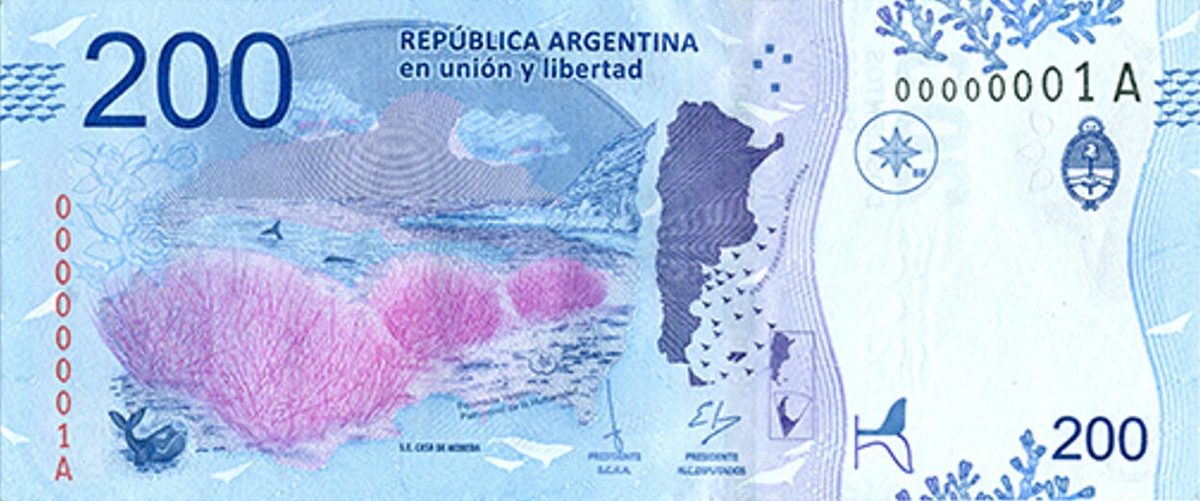
In April 2025 the government lifted most of those controls (the so-called cepo) and moved to a managed float. The official rate, the dólar MEP and the dólar blue have since converged into a narrow band — as of mid-2026 all three sit somewhere around 1,400–1,460 pesos per US dollar, with only a small single-digit premium between them. At the same time, inflation (still elevated but falling) pushed peso prices up faster than the dollar climbed. The net effect: Buenos Aires became noticeably more expensive in dollar terms through 2024 and 2025. Argentina even lost a chunk of its regional tourists, who found it pricier than Brazil or Chile.
None of that makes it expensive in absolute terms for a visitor from the US, Canada, the UK or the eurozone. A great steak dinner, a taxi across town, a museum, a craft beer — these still cost a fraction of what you would pay at home. But the days of feeling like a millionaire are gone. For the full picture of what a trip adds up to, see our complete guide to Buenos Aires travel costs, which puts all of these pieces together.
Is Buenos Aires expensive compared with other cities?
Roughly speaking, here is where it lands in 2026. Use these as honest ballparks, not promises — the peso moves and prices follow.
| Versus… | How Buenos Aires compares | The honest verdict |
|---|---|---|
| Western Europe / North America | Eating out, drinks, taxis and tickets noticeably cheaper; top hotels similar | Still clearly better value |
| Madrid / Lisbon | Overall cost of living now broadly comparable | About even |
| Lima / Bogotá | Matches or slightly undercuts on most day-to-day costs | Roughly on par |
| Santiago / Montevideo | Cheaper than both for an equivalent experience | Better value |
| La Paz / Quito | Buenos Aires is pricier | Not the cheapest in the region |
The takeaway: Buenos Aires is no longer South America’s standout bargain, but it punches above its price on culture, food and atmosphere. You are paying mid-range prices for a genuinely world-class city.
Real prices in Buenos Aires (mid-2026)
Let me put concrete numbers on it. I am quoting a rough US-dollar figure for each because the peso amount will almost certainly be higher by the time you read this — always check the current rate on something like dolarhoy.com or Google before you rely on a number. These are typical 2026 prices in the city, not the cheapest or the fanciest.
- Espresso or cappuccino at a café: around US$2–6 (a neighbourhood bar is cheaper; a Palermo specialty-coffee shop is at the top end).
- Craft beer (pint) in a bar: around US$3–5.
- Steak dinner for two at a parrilla, with wine and sides: around US$60–90; a solo steak with a glass of Malbec, around US$20–35.
- Casual lunch (empanadas, milanesa, a menu del día): around US$8–15.
- Taxi or Cabify across central neighbourhoods (about 5 km): around US$5–8.
- Subte (metro) ride with a SUBE card: well under US$1 — one of the cheapest fares of any major city.
- Museum admission: around US$5–15, and a surprising number are free or pay-what-you-wish.
- Hostel dorm bed: around US$15–25 a night.
- Comfortable mid-range hotel (double): around US$80–150 a night.
- Boutique or luxury hotel: around US$170–350+ a night.
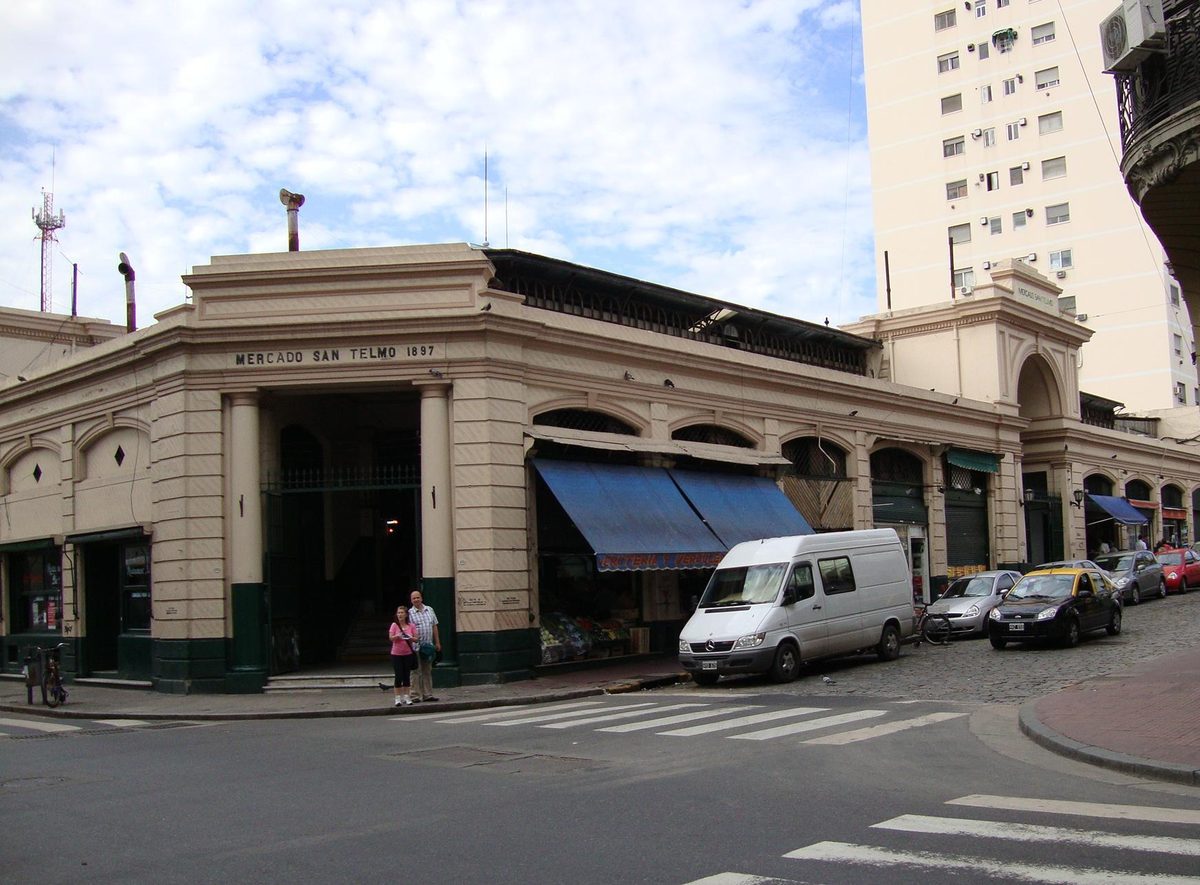
Notice the pattern: anything that is mostly local labour and local produce — a meal, a coffee, a haircut, a taxi, public transport — is still cheap by Northern-Hemisphere standards. Anything tied to the dollar or to imports — high-end hotels, electronics, branded clothing, imported wine and spirits — has caught up and can even feel expensive. That single distinction explains almost everything about prices here.
How to pay so you do not overpay
The money mechanics changed as much as the prices, and getting this right is the difference between Buenos Aires feeling reasonable and feeling annoying. The old gospel — “bring a brick of cash dollars, never use your card” — is largely outdated for 2026.
Since late 2023, foreign Visa and Mastercard payments have been settled at a favourable tourist/MEP-style rate rather than the bad old official rate. In practice that means paying by card is now often as good as cash, with none of the hassle or risk of carrying a wad of bills. The huge arbitrage that made cash king has mostly evaporated now that the rates have converged. To understand the rate that used to drive all of this, read our explainer on the blue dollar in Buenos Aires, and for the wider cash-versus-card decision and how many pesos to carry, see our Argentina currency guide for tourists.
A few practical rules I still follow. Carry some cash for kioscos, taxis, markets and tiny cafes that prefer it or give a small discount. If you do change cash, use a proper casa de cambio, Western Union or your hotel — not the “cambio, cambio” arbolitos shouting on Calle Florida, who are the classic spot for short-changing and counterfeit notes. Tell your bank you are travelling so your card is not blocked, and decline the machine’s offer to “convert to your home currency” (dynamic currency conversion) — always choose to be charged in pesos. Tipping, by the way, is modest here: around 10% in restaurants if service is not included, which our guide to tipping in Buenos Aires walks through in detail.
Budget vs mid-range vs luxury: what a day really costs
This is the part most people actually want, so here is how a day tends to shake out in 2026 by travel style. These are per-person, per-day figures excluding international flights, and they assume a couple of sights, food and getting around. As always, treat them as well-hedged estimates and check current prices.
Budget: around US$50–80 a day
A hostel dorm or a cheap guesthouse, empanadas and the menu del día, the Subte and your own two feet, and free or low-cost sights — and Buenos Aires opens up beautifully. This is a city where the best things really are cheap: strolling Recoleta and Palermo, San Telmo’s Sunday feria, the Reserva Ecológica, free museums, a tango show in a plaza. You can eat and drink well on this budget. For a route built entirely around this style, our Buenos Aires budget itinerary and our roundup of free things to do in Buenos Aires show how far a little can go.
Mid-range: around US$120–180 a day
A private room in a good hotel or apartment, a proper parrilla dinner with wine, the odd taxi, paid museums and maybe a guided walking or food tour. This is the sweet spot most visitors land in, and it buys a genuinely comfortable, characterful trip without feeling extravagant. It is also where Buenos Aires still feels like a deal: the same money buys a far better experience here than in most European capitals.
Luxury: around US$300–500+ a day
A boutique or five-star hotel in Recoleta or Puerto Madero, tasting menus and top steakhouses, private transfers, a sommelier-led wine tour, a closed-door puerta cerrada dinner. This tier has risen the most in dollar terms, because high-end hotels and fine dining are priced with one eye on international rates. It is still typically cheaper than the equivalent in New York, London or Paris — just no longer a steal.
How to keep Buenos Aires cheap (it still can be)
For all the talk of rising prices, this remains a city that rewards affordable Buenos Aires habits, and a little local knowledge stretches your money a long way. My go-to moves:
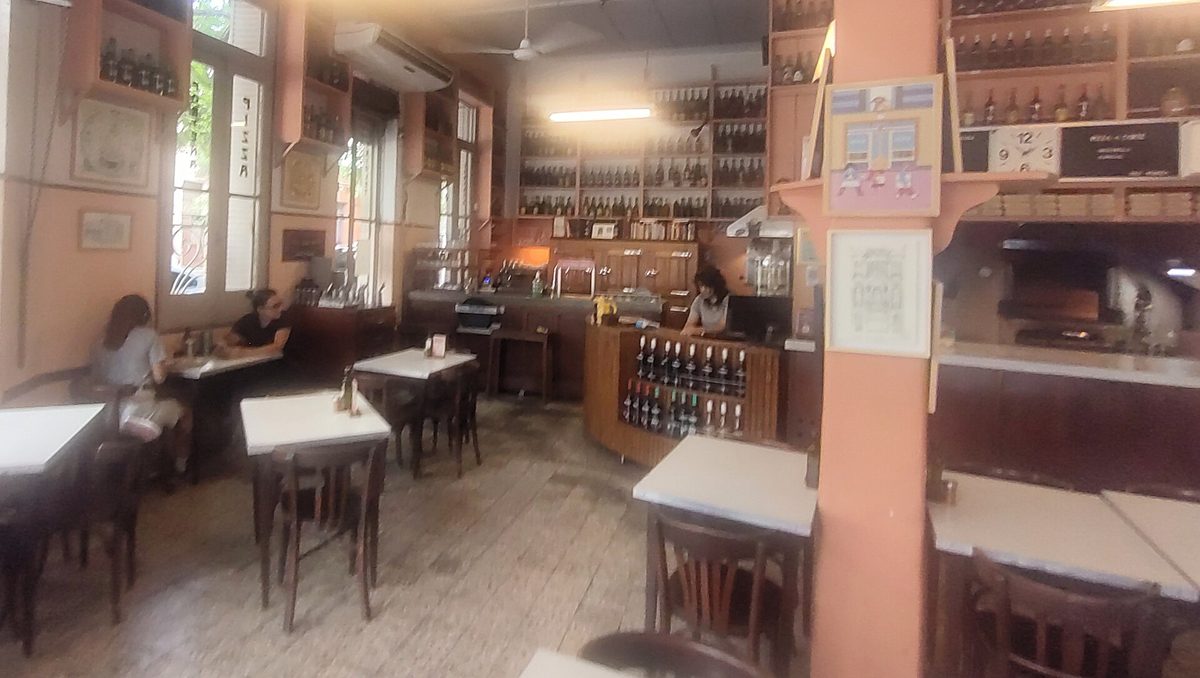
- Eat where locals eat. Bodegóns, neighbourhood parrillas and the menu del día deliver huge portions for little money. Skip the tourist-strip restaurants in the obvious squares.
- Lean on free culture. Many of the best museums and parks cost nothing or run free days; the architecture, cemeteries and street life are free entertainment in themselves.
- Use the Subte and colectivos. Public transport is almost absurdly cheap with a SUBE card — a few rides cost less than one short taxi.
- Drink Argentine, not imported. Local Malbec, Fernet and national beers are cheap; imported spirits carry a steep markup.
- Watch the cubierto. Many restaurants add a small per-person cover charge (the cubierto) for bread and table service — normal here, just factor it in.
- Mind the seasons. Accommodation costs more over the December–February peak and big events; shoulder months are cheaper and pleasant.
Done well, true Buenos Aires cheap travel is absolutely still possible — you simply have to choose where to spend. For the day-by-day arithmetic behind all of this, our deep dive on the cost of Buenos Aires per day sits right alongside the main Buenos Aires travel cost guide for the full breakdown.
Frequently asked questions
Is Buenos Aires expensive for tourists right now?
It is moderately priced in 2026 — more expensive than the bargain it was in 2023, but still good value for visitors earning in dollars, euros or pounds. Food, drinks, taxis and transport cost far less than in Western Europe or North America, while luxury hotels and imported goods now sit close to international prices. Check the current exchange rate before you travel.
Why did Buenos Aires get more expensive?
Argentina lifted its currency controls in April 2025 and the once-huge gap between the official and “blue dollar” rates collapsed. Meanwhile high local inflation pushed peso prices up faster than the dollar rose. Together that erased the cheap parallel-market advantage, so the same trip costs noticeably more in dollar terms than it did a couple of years ago.
Is it cheaper to pay with cash or card in Buenos Aires?
In 2026 it is roughly a wash. Foreign Visa and Mastercard payments are settled at a favourable tourist rate, so cards are now about as good as cash — a reversal of old advice — and far safer to carry. Keep some cash for kioscos, taxis and markets, and always choose to be charged in pesos rather than your home currency.
How much money do I need per day in Buenos Aires?
Budget travellers manage on roughly US$50–80 a day, mid-range visitors on about US$120–180, and luxury travellers on US$300–500 or more, excluding flights. Your biggest variable is accommodation. See our cost-per-day guide for a fuller breakdown, and remember that peso prices drift upward, so confirm current rates before locking in a budget.
What is surprisingly cheap, and what is surprisingly expensive?
Surprisingly cheap: public transport, a great steak, local wine, coffee, museums and most eating out. Surprisingly expensive: top-end hotels, electronics, branded clothing and imported spirits, which are priced near international rates. The rule of thumb is that local labour and produce stay cheap while anything tied to the dollar or imports has caught up.
Final thoughts
So is Buenos Aires expensive? My honest verdict for 2026: it is no longer the unbelievable bargain of a few years ago, but it is still a genuinely good-value city — especially for food, drink, culture and getting around. Set a sensible budget, pay smart with a card plus a little cash, lean into the cheap local pleasures, and you will find that Buenos Aires gives you far more than you pay for. Just check the current exchange rate before you go, because in Argentina the numbers never sit still for long.
Photo credits
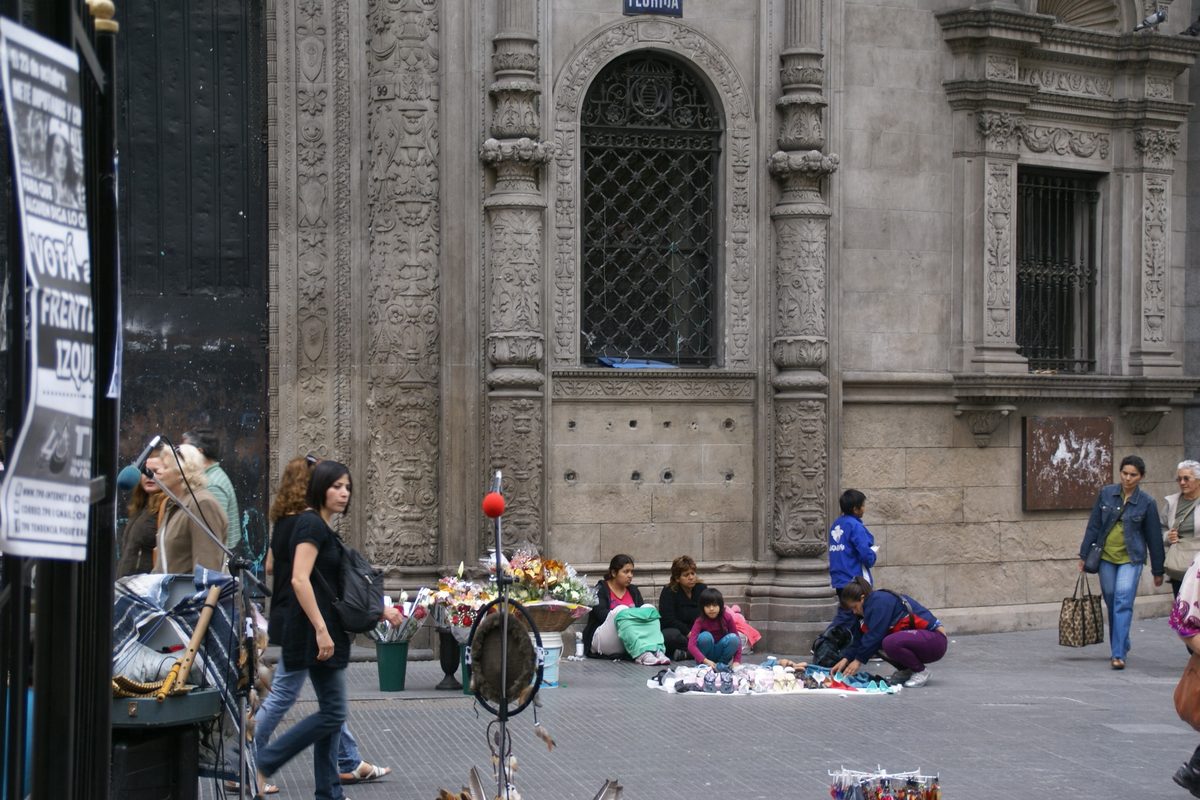
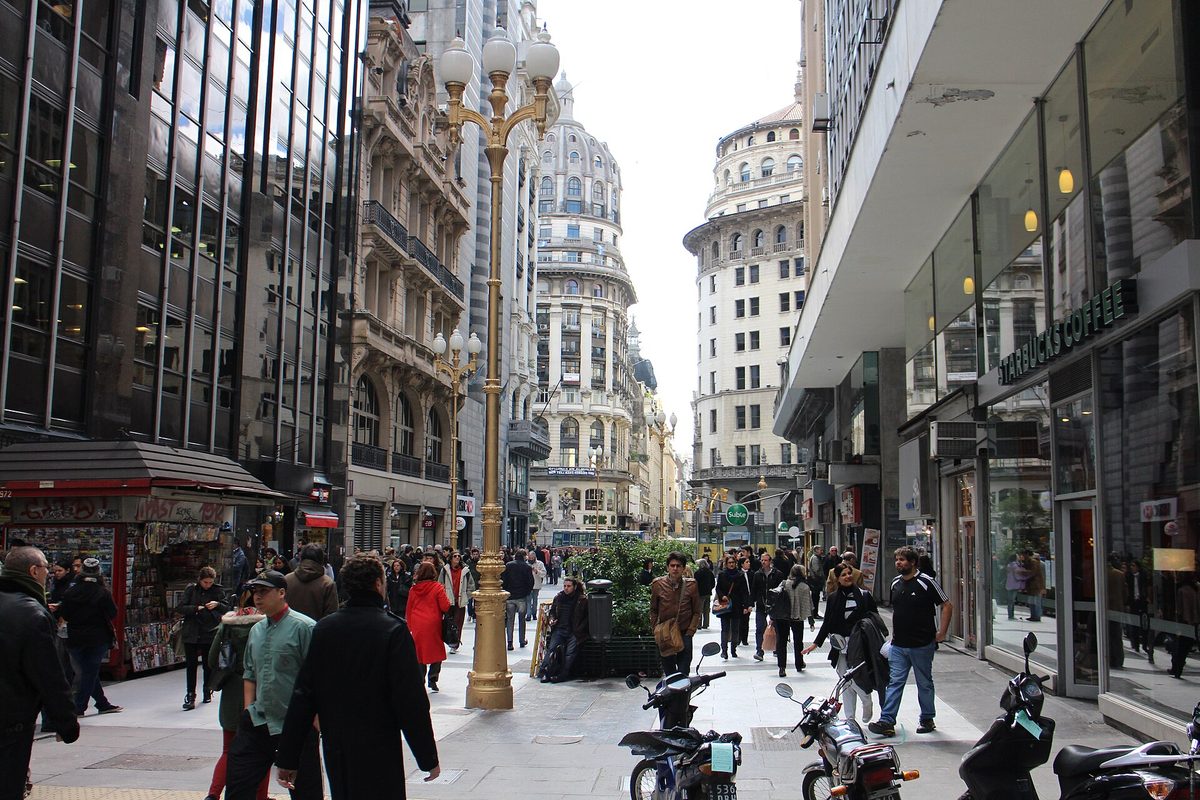
- Photo: Gobierno de la Ciudad de Buenos Aires / CC BY 2.5 ar via Wikimedia Commons — Calle Florida, Buenos Aires
- Photo: Elsapucai (CC0) via Wikimedia Commons — Mercado de San Telmo
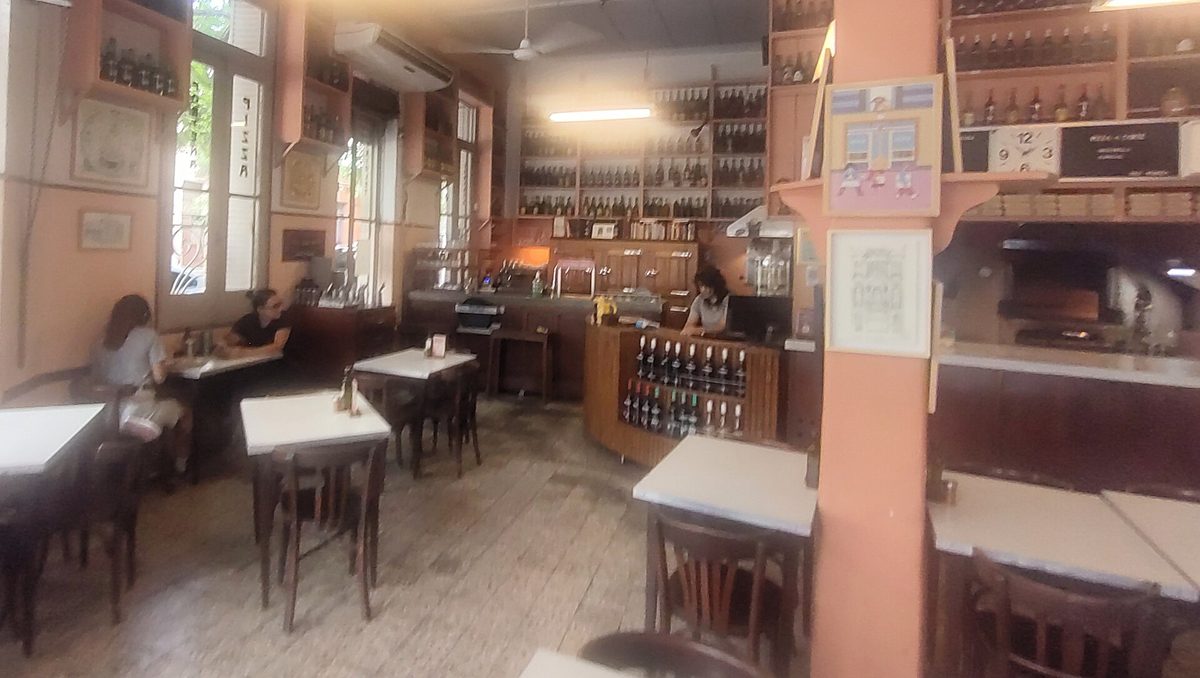
- Photo: Roberto Fiadone / CC BY 4.0 via Wikimedia Commons — Bar Roma, Buenos Aires
- Photo: Galio (CC0) via Wikimedia Commons — Recoleta, Avenida del Libertador