Last updated: June 2026 · Written by the Buenos Aires Tourism editorial team
I have lost whole afternoons inside this place, and I have also breezed through it in an hour before lunch — both visits felt like a gift, mostly because they cost nothing. The Museo Nacional de Bellas Artes Buenos Aires is Argentina’s premier art museum, sitting on Av. del Libertador 1473 in Recoleta, and its general admission is free. Inside you’ll find European masters from Goya to Van Gogh alongside the finest collection of Argentine painting anywhere on earth, all spread across two main floors you can see in about ninety minutes. For my money it is the single best free thing you can do in this city, and one of the highlights of any tour of the best museums in Buenos Aires.
What follows is the visitor guide I wish someone had handed me: what to actually see, how the building is laid out, how long to give it, how to get there, and an honest read on who will love it and who might skip it. I’ll hedge the volatile stuff (hours and any temporary-show fees shift), but the bones of the place are wonderfully constant.
The Museo Nacional de Bellas Artes Buenos Aires at a glance
If you only read one thing before you go, read this table. The headline is the one that surprises most visitors: the national fine arts museum Buenos Aires keeps its doors open to everyone, for nothing.
| At a glance | Museo Nacional de Bellas Artes |
|---|---|
| Admission | FREE (voluntary contribution optional; some temporary shows may charge) |
| Hours (mid-2026) | Tue–Fri 11:00–19:30; Sat–Sun 10:00–19:30; closed Mondays — check current |
| How long to spend | About 1.5 hours for the highlights; up to 3 for a deep dive |
| Where | Av. del Libertador 1473, Recoleta — Subte Line H, Facultad de Derecho |
| Nearest landmarks | Floralis Genérica (across the avenue) & Recoleta Cemetery |
| Best for | Art lovers, budget travellers, a rainy afternoon, anyone in Recoleta |
Why the MNBA matters
Argentina poured its turn-of-the-century fortune into art, and the MNBA is where that ambition lives. Founded in 1896 and installed in 1933 in a former municipal pumping station that the architect Alejandro Bustillo reskinned into the terracotta-coloured palace you see today, it holds the most important collection of European art in South America — and the largest gathering of Argentine art in existence. The permanent holdings run past 12,000 works; only a fraction hangs at any time, but that fraction is dense with names you know.
It is also gloriously unintimidating. There is no grand ticket queue, no airport-style security theatre, no obligation to “do” the whole thing. You walk in off a leafy stretch of Recoleta, leave a voluntary contribution if you like, and wander. That low-friction freedom is exactly why it earns a place on every list of free things to do in Buenos Aires, and why locals treat it as a Sunday habit rather than a once-a-trip box to tick.
The lay of the land: how the museum is organised
The collection is split cleanly by floor, which makes a short visit easy to plan. Get this geography in your head and you can decide in advance where to spend your energy.
Ground floor: the European masters and 19th-century Argentina
The ground floor is the showstopper for first-timers. Its two-dozen halls march from medieval and Renaissance religious panels through the Spanish greats — there is a room of Francisco de Goya, and works associated with El Greco, Zurbarán and the Spanish baroque — into the Dutch and Flemish rooms with Rembrandt and Rubens. Push on and you reach the stretch most people come for: French nineteenth-century painting and Impressionism, with canvases by Manet, Degas, Monet, Cézanne, Toulouse-Lautrec and a luminous Van Gogh. Sculpture lovers should look for Auguste Rodin, including a cast of The Kiss. The same floor closes with nineteenth-century Argentine painting, so you slide naturally from Paris to the Pampas.
Upper floor: 20th-century international and the Argentine canon
Climb the stairs and the century turns. The first floor pairs twentieth-century international art — expect to meet Picasso, Modigliani, Chagall, Klee, Kandinsky and a scattering of postwar Americans like Pollock and Rothko — with the deepest collection of modern Argentine art anywhere. This is where the museum becomes genuinely unique rather than merely excellent. The second floor above holds temporary exhibitions and the sculpture terraces, and the temporary shows are worth checking before you arrive; they occasionally carry their own small fee even though the permanent collection does not.
What to actually see: the highlights I’d never skip
You could spend a day and not exhaust this place, so here is my shortlist — the works and rooms I steer every visiting friend toward.
The European headliners
- The Goya room — small, dark, electric. Worth lingering over even if Spanish painting isn’t usually your thing.
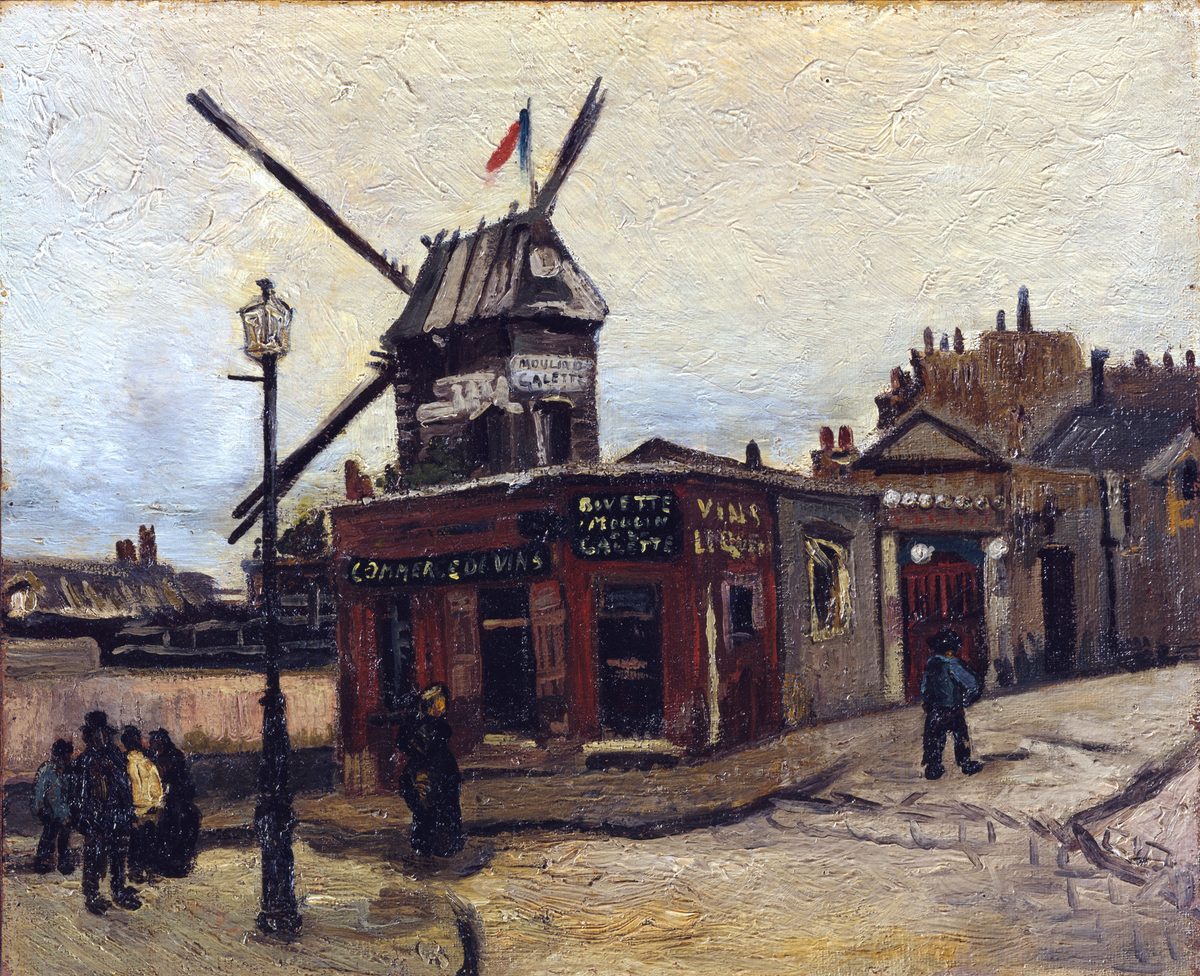
- Van Gogh’s Le Moulin de la Galette — an early Paris-period canvas and one of the collection’s genuine pilgrimage pieces.
- The Impressionist stretch — Manet, Degas’ dancers, Monet and a fine Toulouse-Lautrec, hung close enough to compare in one sweep.
- Rodin’s sculpture, including The Kiss, set so you can circle it properly.
The Argentine collection — the real reason to come
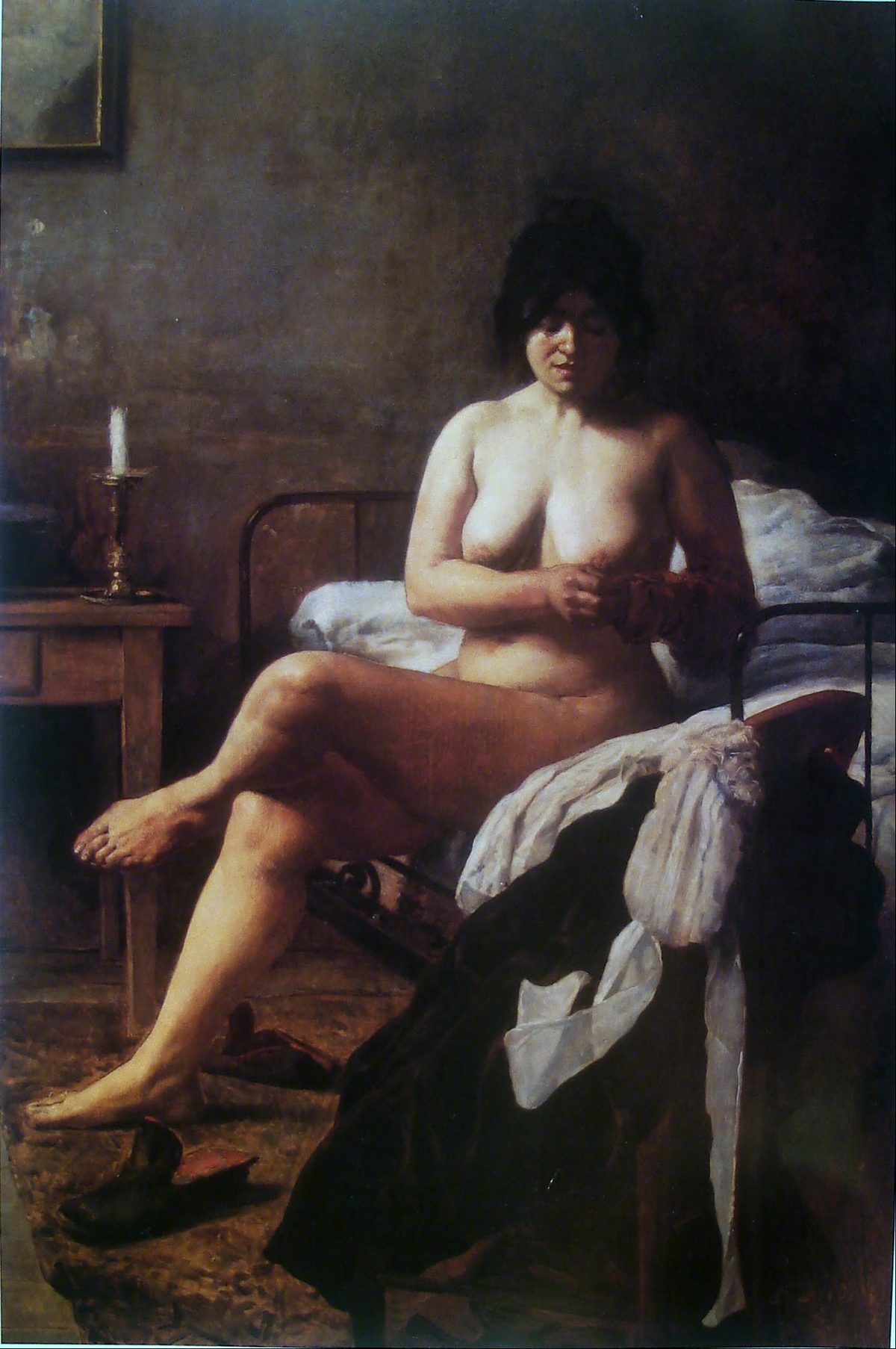
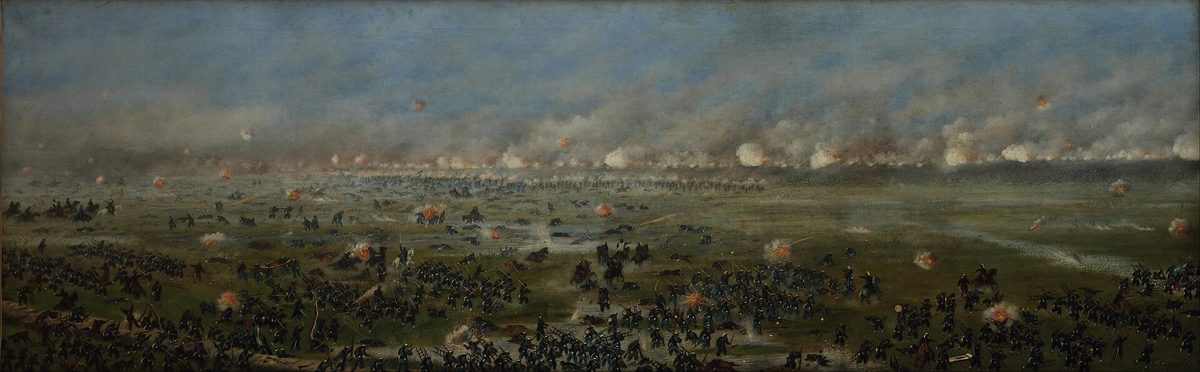
Honestly, you can see Monet in a dozen cities; you cannot see this Argentine collection anywhere else. Seek out the panoramic battle scenes of Cándido López, the self-taught soldier-painter who lost his right hand in the Paraguayan War and taught himself to paint with his left. Don’t miss Prilidiano Pueyrredón’s portraits and gaucho scenes, Eduardo Sívori’s frank realism, and Ernesto de la Cárcova’s aching Sin pan y sin trabajo (“Without bread, without work”). Upstairs, the modernists take over: the social realism of Antonio Berni, the monumental figures of Lino Enea Spilimbergo, the cosmic watercolours of Xul Solar, and the gaucho portraits of Cesáreo Bernaldo de Quirós. It is a crash course in how Argentina taught itself to see.
Planning your visit
Admission: yes, it really is free
General admission to the permanent collection is free for everyone, residents and foreigners alike — no timed ticket, no booking required. Near the entrance there is a self-service device for voluntary contributions if you’d like to support the museum and its Friends association, and you can even pay that in advance online to skip the desk. The only thing that may carry a charge is the occasional blockbuster temporary exhibition, so check the museum’s site if a special show is the reason you’re going. Because paying is now painless on a card across the city since Argentina relaxed its currency rules, you don’t need a wad of cash for any of this — for the wider money picture see our guide to Argentina currency for tourists.
Hours (and the Monday trap)
As of mid-2026 the museum runs roughly Tuesday to Friday 11:00–19:30 and Saturday to Sunday 10:00–19:30, closed Mondays. It also closes on a handful of national holidays (around 1 January, 1 May, 27 June and the late-December holidays). Those hours have shifted before and holiday closures change year to year, so confirm on the official site before a special trip. The Monday closure catches a lot of people out — pair the museum with another Tuesday-to-Sunday plan rather than building a Monday around it.
How long do you need?
Budget about ninety minutes for a satisfying highlights visit — the European ground floor plus a focused loop of the Argentine rooms upstairs. Art lovers happily stretch it to two or even three hours; if you’re short on time, an hour on the ground floor alone still delivers Goya, the Impressionists and Rodin. There is a gift shop spiralling between the floors and no full café inside, so eat before or after.
Getting there — and what’s next door
The museum sits on Av. del Libertador in northern Recoleta, and its location is half the appeal: it is an easy stroll from the Floralis Genérica (the giant steel flower in Plaza Naciones Unidas, directly across the avenue) and only a few minutes from the Recoleta Cemetery, where Evita is buried. By Subte, take Line H to Facultad de Derecho; plenty of buses (17, 61, 62, 67, 92, 93, 110, 124, 130) stop nearby. You can comfortably chain the museum, the cemetery, the Floralis and a coffee in the Recoleta cafes into one excellent half-day — see our wider list of things to do in Buenos Aires if you want to build it out.
Who it suits — and the honest “worth it / skip”
If you have any appetite for painting, this is unmissable, and the price makes it a no-brainer. It rewards a casual hour as readily as a deep dive, so it suits solo travellers, couples on a rainy afternoon and curious teenagers alike. Families do fine here too; the rooms are calm and the floors are fully accessible, with lifts and wheelchairs available. The one group I’d gently warn: if your art tastes run strictly to the cutting-edge contemporary, the MNBA’s strength is historical, and you may prefer MALBA for twentieth-century Latin American work or the former Centro Cultural Kirchner (now Palacio Libertad) for big free contemporary shows and concerts. For the full overview of where this fits, our guide to museums in Buenos Aires sets out the whole scene. My verdict: there is no version of a Buenos Aires trip that is improved by skipping this museum.
Frequently asked questions
Is the Museo Nacional de Bellas Artes free?
Yes. General admission to the permanent collection is free for everyone, including foreign visitors, with no ticket or reservation needed. The museum invites optional voluntary contributions through a self-service device at the entrance, which you can also pay online in advance. The only thing that may cost money is a special temporary exhibition, so check the official site if a particular blockbuster show is your reason for going.
What is in the Bellas Artes museum Buenos Aires?
It holds the most important European art collection in South America alongside the world’s largest collection of Argentine art. On the ground floor you’ll find Goya, El Greco, Rembrandt, Rubens, Rodin and a strong run of Impressionists — Manet, Degas, Monet, Van Gogh and Toulouse-Lautrec. Upstairs sits the Argentine canon: Cándido López, Pueyrredón, Sívori, Berni, Spilimbergo, Xul Solar and Quirós, plus twentieth-century international names.
How long do you need at Bellas Artes?
Around ninety minutes covers the highlights comfortably — the European ground floor plus a focused loop of the Argentine rooms upstairs. Dedicated art lovers easily spend two to three hours, while a rushed visitor can still get the headline works (Goya, the Impressionists, Rodin) in a single hour on the ground floor. There is no full café inside, so plan to eat before or after your visit.
When is Bellas Artes closed?
The museum is closed on Mondays and on several national holidays, typically around 1 January, 1 May, 27 June and the late-December dates. As of mid-2026 it otherwise opens Tuesday to Friday from 11:00 to 19:30 and weekends from 10:00 to 19:30. Hours and holiday closures can change, so confirm on the museum’s official website before planning a special trip rather than relying on a fixed schedule.
Final thoughts
Few great museums anywhere are this generous — world-class art, an unbeatable Recoleta setting, and not a peso required to walk in. Give it ninety unhurried minutes, let the Argentine galleries upstairs surprise you, and step back out into the Floralis-and-cemetery corner of the city feeling like you got away with something. It is the easiest five-star recommendation I make in Buenos Aires.
Photo credits
- Vincent van Gogh, Le Moulin de la Galette (1886), Public domain, via Wikimedia Commons.
- Eduardo Sívori, El despertar de la criada, Public domain, via Wikimedia Commons (Google Art Project).
- Cándido López, Después de la Batalla de Curupaytí, Public domain, via Wikimedia Commons (Google Art Project).