Last updated: June 2026 · Written by the Buenos Aires Tourism editorial team, who have slurped wonton soup on Arribéños, watched tai-chi at dawn on the Barrancas, and lost whole afternoons to the bookshops on Cabildo.
Belgrano is the barrio I send people to when they want to see how well-off porteños actually live — leafy, low-key and a world away from the tourist crush of the centre. It is also where the city keeps its small, surprising Chinatown, so a single afternoon here can swing from dumplings to a Renaissance-style church to a Spanish art museum without a single taxi.
The belgrano buenos aires neighborhood is a leafy, upscale residential district in the city’s north, prized for its calm tree-lined streets, the compact Barrio Chino (Chinatown), the terraced park of Barrancas de Belgrano, and good shopping along Avenidas Cabildo and Juramento. It is safe, walkable and family-friendly.
For the wider lay of the land and how Belgrano stacks up against the other barrios, start with our complete guide to Buenos Aires neighborhoods. Below I walk you through the vibe, Chinatown, the parks and landmarks, where to shop and eat, where to stay, and how to get here.
The barrio and its vibe
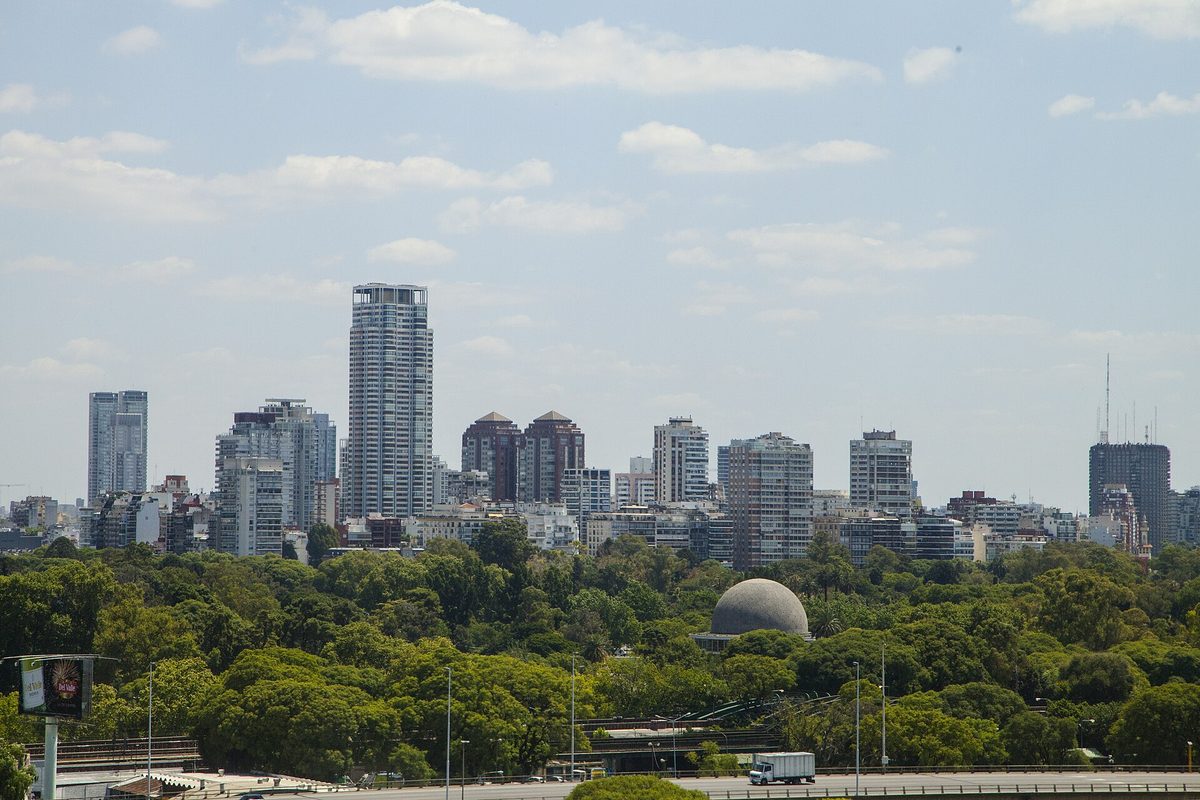
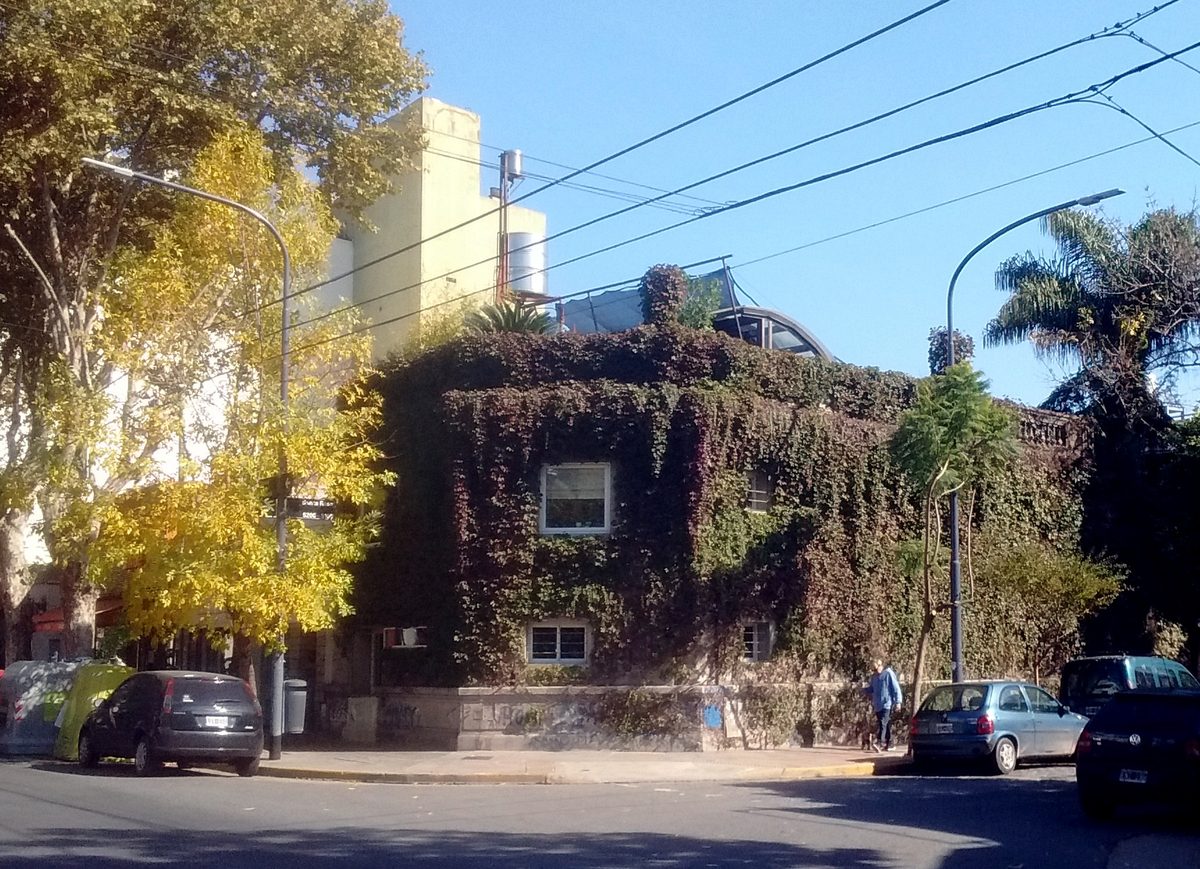
Belgrano sits in the city’s north, above Palermo and bordering Nuñez, and it is one of Buenos Aires’ largest and most desirable residential barrios. The mood is quietly affluent rather than flashy: handsome apartment blocks, embassies and old mansions sit under a thick canopy of tipa and jacaranda trees, and the pace is gentler than in the centre. It is consistently rated among the safest parts of the city — a big part of its appeal for families and longer-stay visitors.
Locals carve Belgrano into a handful of unofficial pockets, and knowing the main ones helps you read the map. Belgrano C (also called Barrancas de Belgrano) is the historic, walkable heart around Juramento and the Barrancas park, packed with the landmarks below. Belgrano R is the leafy, low-rise residential enclave to the west, famous for its English-influenced houses and hushed streets. The high-rise zone of apartment towers fills the area between, while the Barrio Chino and the riverside Bajo Belgrano (near the Estadio Monumental in neighbouring Nuñez) round out the picture.
Barrio Chino: Buenos Aires’ Chinatown
The single most visited corner of Belgrano is its Barrio Chino — the chinatown buenos aires belgrano locals simply call “el Barrio Chino.” It is small by world-Chinatown standards, just a few blocks centred on Calle Arribéños, but it is the only one of its kind in Argentina and it draws thousands of visitors every weekend. The district grew from a wave of Chinese, Taiwanese and Korean immigration in the 1980s and now holds well over a hundred Asian-owned restaurants, supermarkets and shops.
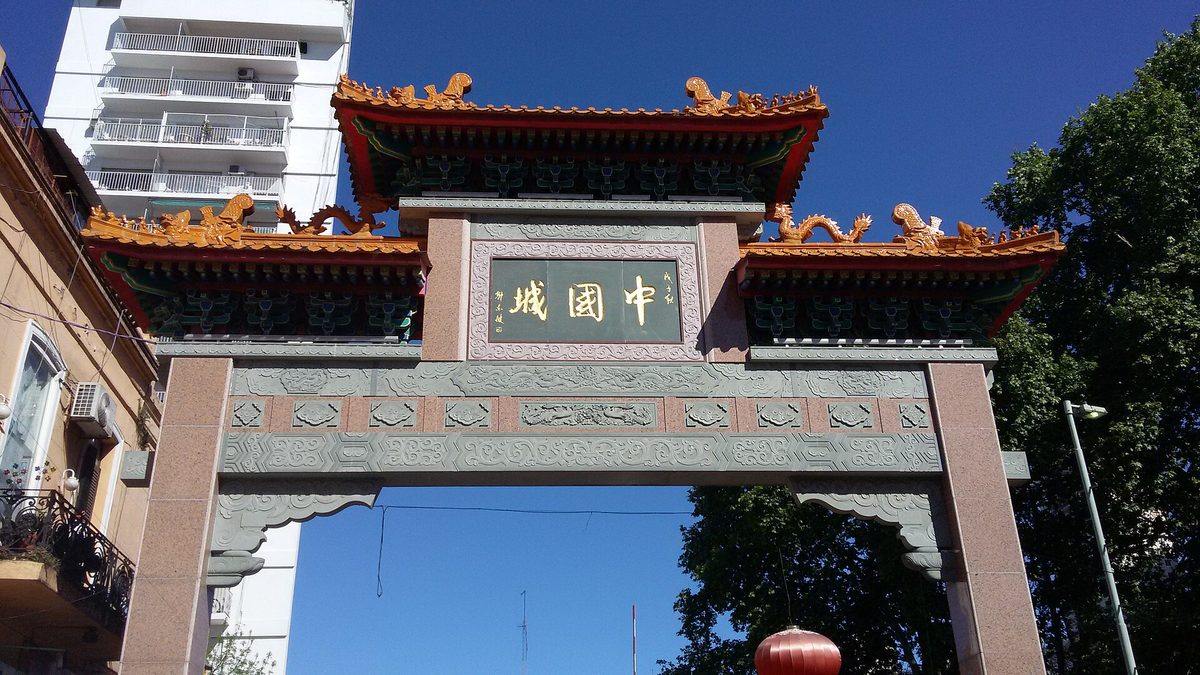
You enter under the paifang, an eleven-metre stone-and-cement archway crowned with dragons that was made in China, shipped over in pieces and raised at the corner of Juramento and Arribéños in 2009. It is the neighbourhood’s selfie magnet and a useful landmark for getting your bearings.
What to eat, and when to go
Come hungry. The streets are lined with dim-sum and dumpling houses, ramen and pho counters, bubble-tea stalls and Korean barbecue, plus huge Asian supermarkets stocked with soy sauce, noodles, fresh tofu and spices you will not find elsewhere in the city. Prices are generally gentle, but they move with Argentina’s inflation, so treat any figure online as a rough guide. Weekday lunchtimes are calmest; weekend afternoons are a lively crush if you do not mind queues.
Lunar New Year in Belgrano
The barrio’s biggest party is the Chinese (Lunar) New Year, usually staged over several days in late January or February depending on the lunar calendar. Arribéños and the surrounding plazas fill with dragon and lion dances, drumming, martial-arts displays, food stalls and crowds in the tens of thousands. Dates shift every year and the programme is confirmed close to the event, so check the city tourism listings before you plan a visit around it.
Parks, churches and museums
Belgrano’s old heart, around Plaza Manuel Belgrano and Juramento, packs a remarkable number of sights into a few walkable blocks. You can see all of the following in a relaxed half-day on foot.
Barrancas de Belgrano
The green soul of the barrio is barrancas de belgrano, a terraced park laid out by the French-Argentine landscape architect Carlos Thays, the hand behind much of green Buenos Aires. Its name (“the slopes of Belgrano”) recalls the gentle terraces that once led down to the river. Today it is all shaded lawns, a graceful white bandstand and a popular dog run, drawing locals to practise tai chi, sip mate and, on weekends, dance tango under the trees. It is free and open daily.
La Redonda (Iglesia de la Inmaculada Concepción)
Facing the plaza is the barrio’s most distinctive building, the Iglesia de la Inmaculada Concepción, universally known as “La Redonda” for its circular, dome-topped shape. Consecrated in 1878 and modelled loosely on the Pantheon in Rome, its rounded silhouette is unlike any other church in the city and worth a look inside when services allow. Hours vary, so do not bank on a specific opening time.
Museo Histórico Sarmiento
On the plaza’s edge, this handsome Italianate building once housed the municipal government of Belgrano — and briefly, in 1880, the national government, while Buenos Aires was declared the federal capital. It now tells the story of Domingo Faustino Sarmiento, the writer-president, through his books, furniture and personal effects. A small, quietly atmospheric museum.
Museo de Arte Español Enrique Larreta
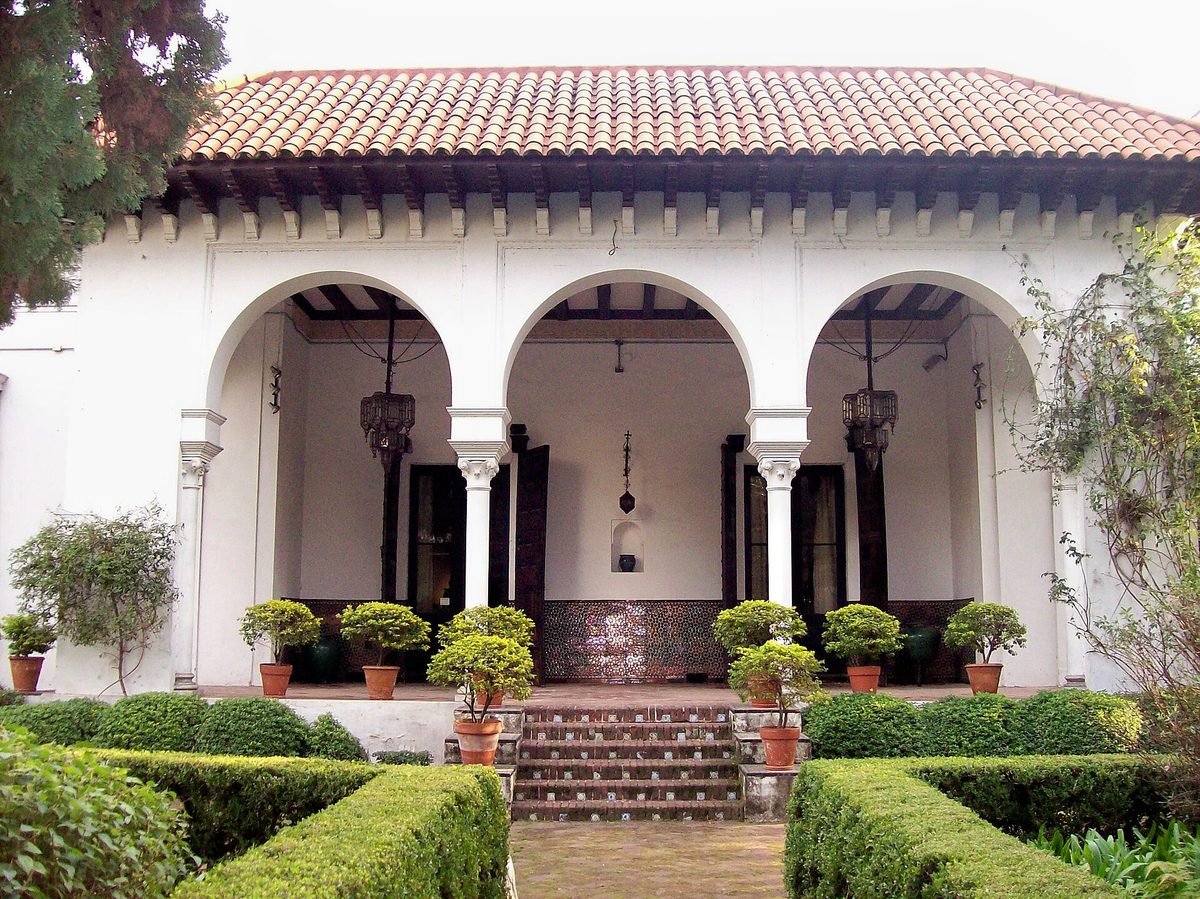
A block from the bustle of Cabildo, the former home of novelist Enrique Larreta is the barrio’s loveliest surprise: a mansion turned museum devoted entirely to Spanish art, with carvings, suits of armour, ceramics and Golden-Age paintings. The real showstopper is the Andalusian garden out back — a tranquil, tiled, hedge-lined courtyard that feels transplanted straight from Seville. It alone is worth the modest entry fee.
Shopping and cafés on Cabildo and Juramento
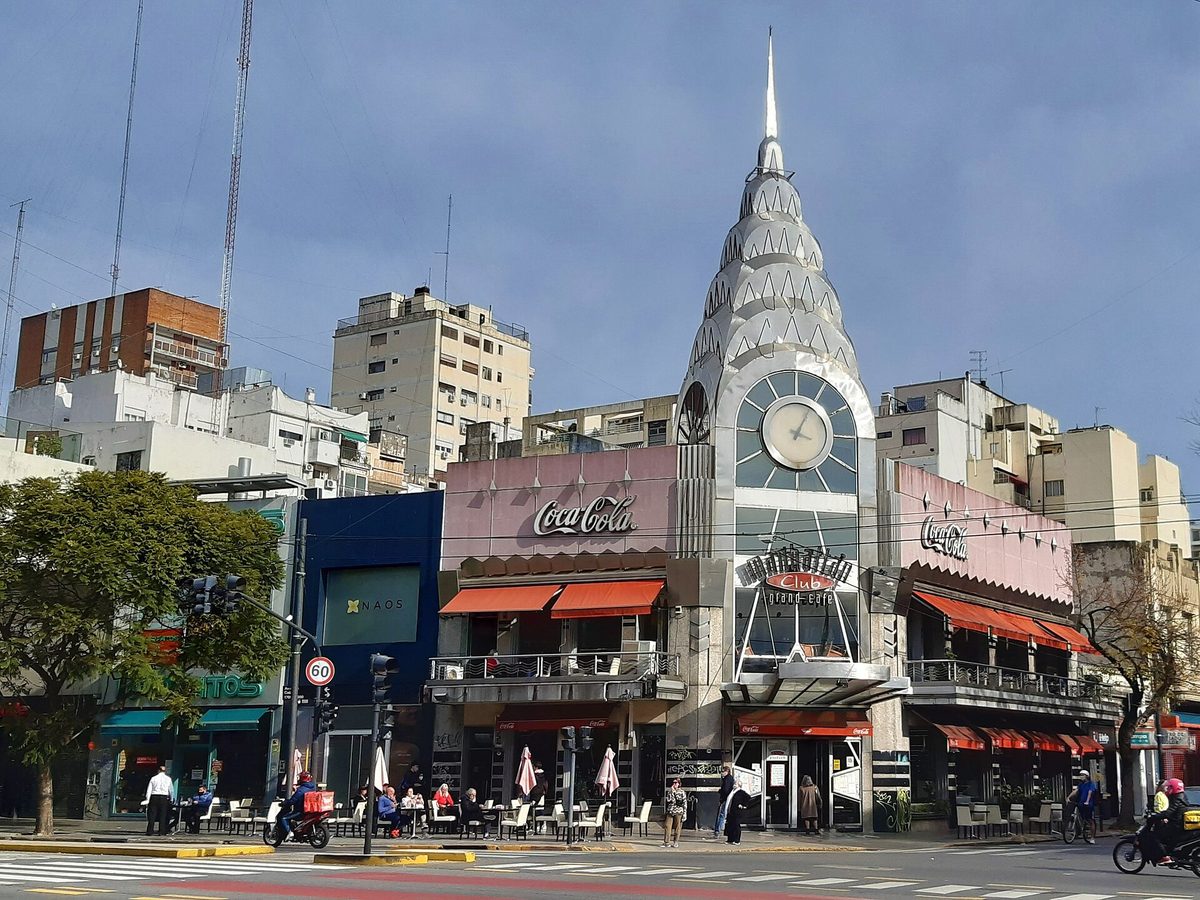
Everyday Belgrano happens along its two big commercial arteries. Avenida Cabildo is the barrio’s high street: a long, busy run of clothing chains, shoe shops, bookstores, banks and shopping galleries, best for practical browsing rather than boutiques. Avenida Juramento, crossing it by the plaza, is more about cafés, ice-cream parlours and the weekend artisan fair that sets up on Plaza Manuel Belgrano with handmade crafts, leather and jewellery.
This is a great area to slip into the porteño café routine — a flat white or a cortado and a couple of medialunas at a corner confitería, watching well-dressed locals walk their dogs. For the wider city dining picture, see our guide to the best Buenos Aires restaurants.
Where to stay in Belgrano
Belgrano is a calm, residential base rather than a tourist hub, which is exactly its charm if you want to live a little more like a local. There are fewer big international hotels than in Recoleta or Palermo and a good supply of serviced apartments and small hotels, especially around Belgrano C and Cabildo. It suits travellers on longer stays, families, and repeat visitors who already know the city and want somewhere green and quiet to come home to. If you want nightlife and a dense restaurant scene on your doorstep you may prefer to sleep in Palermo and visit Belgrano by day. For the citywide picture, see our full guide to choosing where to base yourself.
Getting to Belgrano and around
Belgrano is easy to reach. Subte Line D (the green line) runs right up Avenida Cabildo with stations at José Hernández, Juramento and Congreso de Tucumán — Juramento drops you a block from the plaza, the church and the Barrio Chino. The Mitre line commuter train also stops at Belgrano C and Belgrano R, and countless buses (colectivos) run along Cabildo. From the Microcentro, reckon on roughly 25–35 minutes by Subte or taxi depending on traffic.
Once you arrive, Belgrano is flat and very walkable; the main sights cluster within a few blocks of Plaza Manuel Belgrano. The city’s cheap Ecobici share bikes and app taxis cover longer hops, such as out to the Estadio Monumental. For SUBE cards and fares, our getting around Buenos Aires guide has the details.
Who Belgrano suits
Belgrano is ideal if you value calm, greenery and a residential, lived-in feel over big-ticket monuments and nightlife. It is a natural fit for families, slower travellers, digital nomads on month-long stays, and anyone who has “done” the centre and wants a gentler base. Day-trippers can fold it into a wider plan easily — it pairs neatly with neighbouring Nuñez and the Estadio Monumental, or with a swing through Recoleta on the way back into town.
Belgrano at a glance
| Vibe | Best for | |
|---|---|---|
| Belgrano C / Barrancas | Historic, walkable, leafy | Sights, the park, first-time visits |
| Barrio Chino | Busy, foodie, festive | Asian food, supermarkets, Lunar New Year |
| Belgrano R | Hushed, low-rise, residential | Quiet stays, architecture walks |
| Cabildo high-rise zone | Bustling commercial | Shopping, transport, everyday life |
Practical tips for visiting Belgrano
- Go to the Barrio Chino at the weekend for buzz, midweek for calm. Saturdays and Sundays are lively but crowded; a weekday lunch is far more relaxed.
- Carry some pesos in cash. Smaller restaurants, supermarkets and the artisan fair often prefer cash, and Argentina’s exchange rate moves fast — check the current rate before you change money.
- Treat prices and hours as approximate. Inflation and seasonal changes mean menus and museum times shift; confirm anything time-sensitive on the day.
- Combine it with Nuñez. If you are a football fan, the Estadio Monumental is a short hop north — easy to pair with a Belgrano afternoon.
- Use Juramento station. On Subte Line D it is the most convenient stop for the plaza, the church and Chinatown.
Frequently asked questions
Is Belgrano a safe neighbourhood in Buenos Aires?
Yes — Belgrano is widely regarded as one of the safest barrios in the city, day or night, which is a major reason families and longer-stay visitors choose it. As anywhere in a big city, keep your phone discreet after dark and stick to busy, well-lit streets, but the main commercial avenues and plazas feel comfortable and relaxed to walk.
What is there to do in the Barrio Chino?
Walk under the dragon-topped paifang arch on Arribéños, browse the Asian supermarkets for noodles, tofu and spices, and eat your way through dumplings, ramen, bubble tea and Korean barbecue. It is busiest and most atmospheric on weekend afternoons, and it hosts the city’s huge Chinese New Year celebrations in late January or February.
How do I get to Belgrano from the city centre?
The easiest route is Subte Line D (green) up Avenida Cabildo; get off at Juramento for the plaza, La Redonda church and the Barrio Chino. The Mitre commuter train also stops at Belgrano C and Belgrano R, and buses run along Cabildo. From the Microcentro it is roughly 25 to 35 minutes by Subte or taxi.
Is Belgrano worth visiting for tourists?
It is, especially if you want a calmer, more local half-day away from the tourist trail. In one relaxed visit you can see the Barrancas park, the unusual round La Redonda church, two good museums and Chinatown, all within a few walkable blocks. It is less of a headline barrio than Palermo or San Telmo, but all the nicer for it.
What is La Redonda church?
La Redonda is the local nickname for the Iglesia de la Inmaculada Concepción on Plaza Manuel Belgrano, so called because of its circular, dome-topped shape. Consecrated in 1878 and loosely inspired by the Pantheon in Rome, its rounded silhouette is unique among Buenos Aires churches and makes it the barrio’s most recognisable landmark.
Final thoughts
Belgrano rewards travellers who like to slow down: a leafy, safe, lived-in barrio where you can eat dumplings under a Chinese arch, watch tango on the Barrancas and wander a Spanish garden, all in an afternoon and all away from the crowds. Fold it into a wider plan and it becomes one of the city’s most rewarding low-key days. To see how it compares with the rest of the city, head back to our complete guide to Buenos Aires neighborhoods, then line up the rest with our roundup of the best things to do in Buenos Aires. Buen provecho, and enjoy the calm.
Photo credits
- The dragon-crowned paifang archway at the entrance to the Barrio Chino (Chinatown) in Belgrano — photo by Fulviusbsas, CC BY-SA 4.0, via Wikimedia Commons.
- The tiled Andalusian garden and loggia at the Museo de Arte Español Enrique Larreta — photo by Roberto Fiadone, CC BY-SA 3.0, via Wikimedia Commons.
- A busy street corner with its landmark spired clock tower on Avenida Cabildo in Belgrano — photo by Fulviusbsas, CC BY-SA 4.0, via Wikimedia Commons.