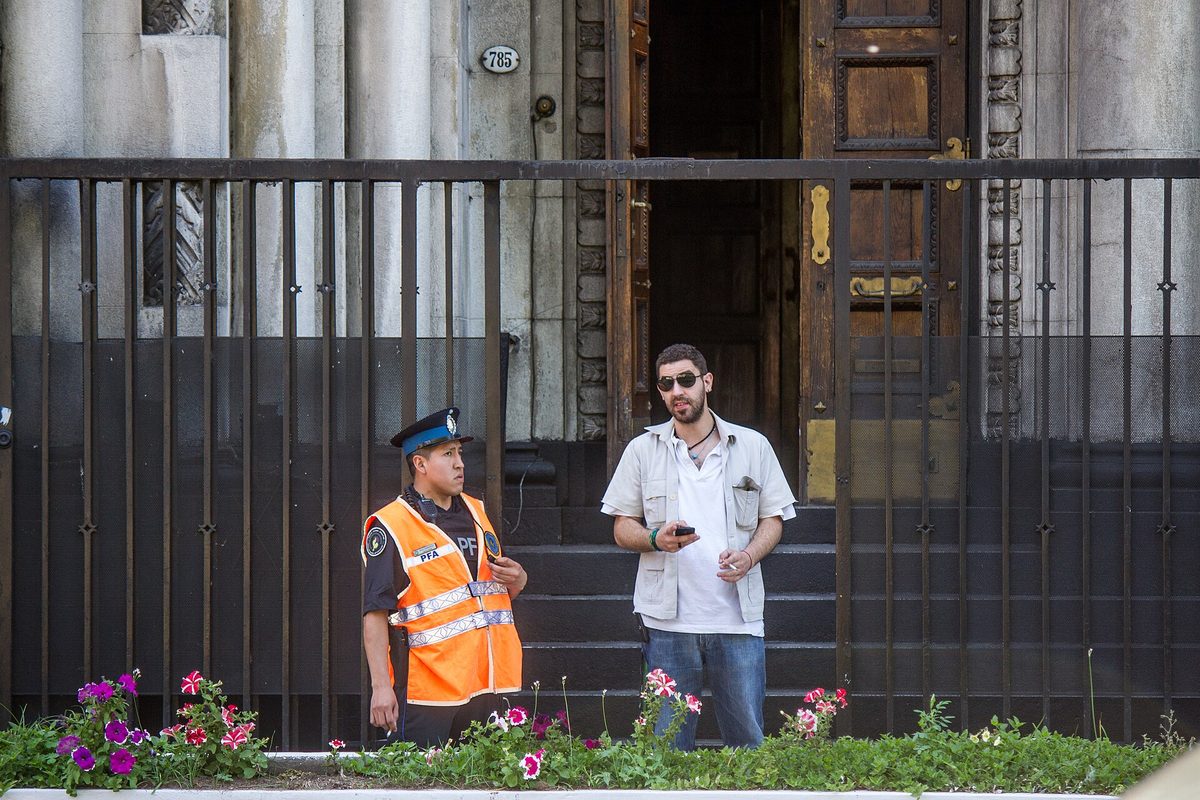
The first thing you notice in Jewish Buenos Aires is the security: a guard at a steel gate, a polite request for your passport. Then the gate opens, and you step into one of the great Jewish stories of the Americas — the largest community in Latin America, woven into a city for more than a century.
The jewish museum buenos aires travellers usually mean is the Museo Judío “Dr. Salvador Kibrick”, tucked inside the grand Templo Libertad synagogue near Plaza Lavalle. But the fuller picture takes in the renovated Museo del Holocausto in Recoleta, the historic barrios of Once and Abasto, the kosher tables of Villa Crespo, and the memorials to the 1992 and 1994 bombings. This guide walks you through all of it, current for 2026.
Last updated: June 2026 · Written by the Buenos Aires Tourism editorial team
A quick orientation first. These are the principal sites of the Jewish heritage circuit, and how they differ in mood, location and the practicalities of getting in. Treat every hour and rule as a starting point and confirm directly — these institutions keep their arrangements deliberately discreet.
Jewish Buenos Aires at a glance
| Site | What it is | Neighbourhood | Visiting note | Best for |
|---|---|---|---|---|
| Museo Judío “Dr. Salvador Kibrick” | Jewish history museum inside Templo Libertad | Tribunales / Plaza Lavalle | By appointment; bring passport ID | Immigration story & the synagogue |
| Museo del Holocausto de Buenos Aires | Shoah remembrance & education museum | Recoleta / Barrio Norte | Reserve online; photo ID; closed some days | Holocaust history, survivor testimony |
| Templo Libertad | Argentina’s oldest grand synagogue (1932) | Tribunales | Visited via the museum, with ID | Architecture & atmosphere |
| AMIA & Embassy memorials | Sites of the 1994 & 1992 attacks | Once & Retiro | Exterior viewing; respectful, quiet | Reflection & remembrance |
| Once & Abasto | Historic Jewish quarters, kosher dining | Balvanera / Abasto | Walk freely; busiest on weekdays | Food, markets, street life |
The Jewish Museum Buenos Aires inside Templo Libertad
The Museo Judío de Buenos Aires “Dr. Salvador Kibrick” sits at Libertad 769, a short walk from the Teatro Colón, and it shares a wall with something extraordinary: the Templo Libertad, home of the Congregación Israelita de la República Argentina, the oldest Jewish congregation in the country. Founded in 1967 by Dr. Salvador Kibrick, the museum was the first of its kind in Latin America, and it remains a quiet, scholarly place rather than a blockbuster attraction.
It tells the story of how a community arrived and made a home. The collection traces Jewish immigration to Argentina — the Ashkenazi waves from Central and Eastern Europe, the Sephardi and Mizrahi families from the Mediterranean and the Ottoman world — through religious objects, documents and everyday belongings. A strong thread covers the agricultural colonies of Entre Ríos and Santa Fe, the so-called “Jewish gauchos” settled by Baron Hirsch’s foundation, a chapter of the diaspora you will find almost nowhere else.
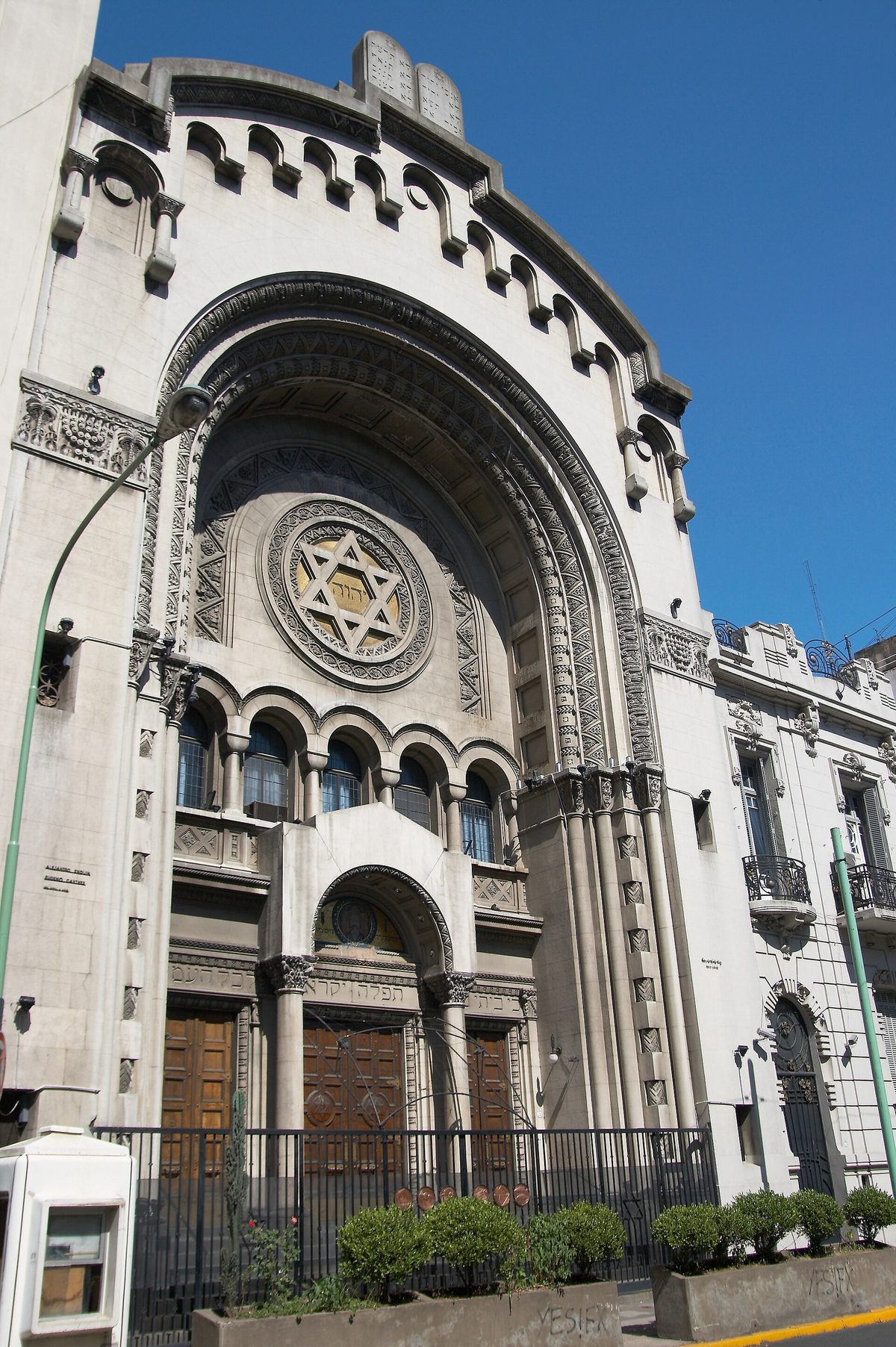
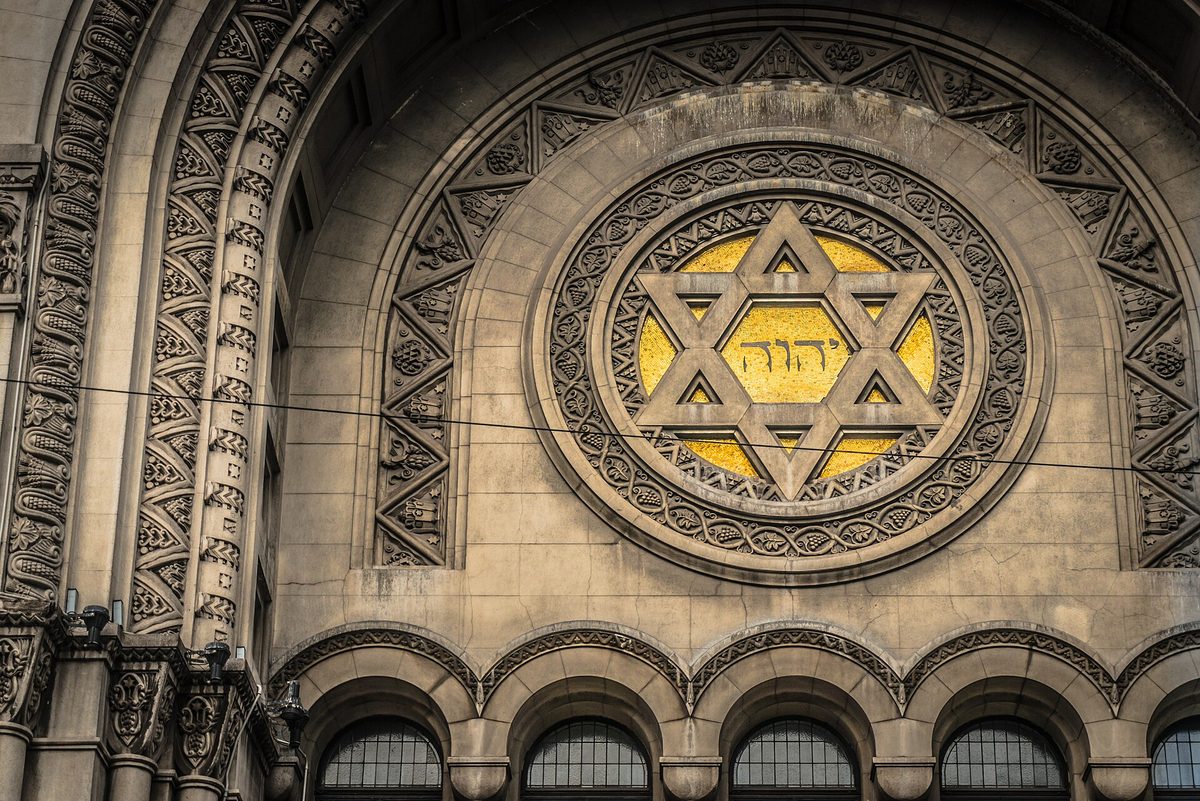
The real showstopper is the synagogue itself, entered through the museum. The Templo Libertad’s cornerstone was laid in 1897 and the building — a sober Romanesque Revival design influenced by 19th-century German synagogues — took 35 years to complete, opening in 1932. It seats around 700 beneath a soaring vault and was declared a National Historic Monument in 2000. Albert Einstein attended a service here in 1925.
How to actually get in (and why the rules are strict)
This is where honesty matters. The museum has historically kept limited hours — roughly weekday mornings and afternoons, with guided visits on set days — and access is governed by security, not just opening times. In practice you should book ahead, bring your passport, and arrive a little early; guards may turn away walk-ins, and posted hours are not always honoured. A reservation, made by phone or through the Templo Libertad website, is by far the smoothest route. For the wider story of the city’s institutions, our overview of the best museums in Buenos Aires sets this small gem in context, and it sits within the broader world of museums and cultural sites across Buenos Aires.
Museo del Holocausto: the city’s Shoah memorial, renewed
A few minutes away in Recoleta, at Montevideo 919, stands the Museo del Holocausto de Buenos Aires — if you visit only one site on this list, many would argue it should be this one. Run by the Fundación Memoria del Holocausto (established 1994), it occupies a former electricity plant of the old Compañía Ítalo Argentina de Electricidad. After a major two-year, roughly US$4.5 million renovation it reopened with a far larger permanent exhibition, and now feels genuinely world-class.
The design is deliberate and affecting. The entrance evokes the railway tracks leading into Auschwitz; the galleries move chronologically through the rise of Nazism, the ghettos, the camps and liberation, with interactive maps, touch-screen archives and full-body sensory moments — the sound of breaking glass as you reach the room on Kristallnacht. What makes it distinctly Argentine is the focus on survivors who rebuilt their lives here. The centrepiece, “Dimensions in Testimony,” lets visitors hold a kind of conversation with a recorded survivor; the first such testimony produced in Spanish is that of Lea Zajac de Novera, who endured the Pruzany ghetto, Auschwitz and a death march before reaching Argentina in 1947.
Planning your Holocaust Museum visit in 2026
Reserve in advance through the museum’s website; entry is timed and ID is expected at the door. Hours shift, but it generally opens midday into the evening on weekdays and runs guided tours on set days, with free admission often offered on Mondays — confirm current times before you go. Allow at least 90 minutes; the testimony rooms reward slowing down. It is a heavy, moving experience, not really suited to young children. Since Argentina lifted most currency controls in 2025, admission is easily paid by card, so there is no need to hunt for cash; for more ideas, see our guide to things to do in Buenos Aires.
The heart of Jewish Buenos Aires: Once, Abasto and Villa Crespo
Museums tell part of the story; the streets tell the rest. The traditional heart of Jewish Buenos Aires lies west of the centre, in the barrios of Once (officially Balvanera) and Abasto, with a second hub in Villa Crespo — nicknamed “Villa Kreplaj” for the Eastern European Jews who settled there. Once grew up around the garment trade and the Plaza Miserere railway hub, and still hums with fabric shops, synagogues and community institutions behind discreet security.
For many visitors the draw is the food. Around Avenida Pueyrredón and Calle Tucumán you will find the city’s densest cluster of kosher restaurants, bakeries and butchers — everything from pastrami and knishes to Middle Eastern Sephardi cooking. The Abasto shopping centre, built inside the old central market, even houses the only certified-kosher McDonald’s outside Israel. Wandering here on a weekday, when shops are open, is the best way to feel the living culture. A guided Buenos Aires walking tour focused on Jewish heritage can unlock context you would otherwise miss, and the area connects to the wider grid of the Microcentro.
Remembering: the AMIA and Embassy memorials
No honest account of Jewish Buenos Aires can skip the two attacks that scarred it. On 17 March 1992 a bombing destroyed the Embassy of Israel in the Retiro district, killing 29 people; a small memorial plaza of trees now marks the site where the building stood. On 18 July 1994 a car bomb destroyed the AMIA Jewish community centre at Pasteur 633 in Once, killing 85 and injuring hundreds — the deadliest antisemitic attack since the Second World War.
The AMIA was rebuilt on the same spot in 1999 and remains the beating institutional heart of the community. Outside, you can quietly take in the memorial: a sculptural work by the Israeli artist Yaacov Agam in the courtyard, and the “Muro de la Memoria,” a mural by Martín Ron painted across two columns salvaged from the destroyed building. Nearby, the Subte station on Line B was renamed Pasteur–AMIA in 2015 and turned into a permanent memorial, its walls reworked by dozens of artists. Argentine courts ruled in 2024 that Hezbollah carried out the AMIA bombing on Iran’s orders, yet decades on the case remains legally unresolved and no one has been brought to justice — a wound the city marks every 18 July. Approach these sites with the quiet they deserve; this is remembrance, not sightseeing.
How to weave it into a Buenos Aires trip
You can sample this heritage in half a day or sink a full one into it. A tight morning might pair the Templo Libertad museum (booked ahead) with a short walk to Plaza Lavalle and the Teatro Colón. A more reflective day pairs the Museo del Holocausto in Recoleta with a wander through nearby Recoleta — perhaps the Recoleta Cemetery and the Museo Nacional de Bellas Artes — before heading to Once for a late kosher lunch. If your interest is the buildings themselves, the synagogues fold neatly into a study of Buenos Aires architecture, from Romanesque Revival temples to Art Nouveau facades.
Who will get the most from it
This circuit rewards travellers who like history with substance: anyone tracing family roots, students of the 20th century, and visitors who want to understand the city beyond tango and steak. It rewards slow, thoughtful sightseeing. If you prefer art and architecture, the Templo Libertad and a stroll through Once may be enough; if the Holocaust and the bombings speak to you, give the Museo del Holocausto and the AMIA memorial the time they ask for.
Frequently asked questions
Is there a Jewish museum in Buenos Aires?
Yes. The main one is the Museo Judío de Buenos Aires “Dr. Salvador Kibrick” at Libertad 769, inside the historic Templo Libertad synagogue near Plaza Lavalle. Founded in 1967, it was the first Jewish museum in Latin America and traces Jewish immigration and life in Argentina. Visits are usually by appointment and you must bring photo identification for security, so book ahead rather than simply turning up.
Can you visit the Holocaust Museum Buenos Aires?
Yes, the Museo del Holocausto at Montevideo 919 in Recoleta is open to the public, and since its major renovation it is one of the city’s most powerful museums. Reserve a timed entry through its website and bring ID; it typically opens midday into the evening on weekdays, runs guided tours on set days and often offers free admission on Mondays. Confirm current hours before visiting, as they change.
Where is the Jewish neighbourhood in Buenos Aires?
The historic Jewish quarters are Once (within Balvanera) and Abasto, just west of the centre, with a lively second hub in Villa Crespo. Once and Abasto hold the greatest concentration of synagogues, Jewish schools and kosher dining, clustered especially around Avenida Pueyrredón and Calle Tucumán. It is safe to walk during the day; weekdays are liveliest, since many shops and kosher restaurants close for Shabbat.
What happened to AMIA?
On 18 July 1994 a car bomb destroyed the AMIA Jewish community centre at Pasteur 633, killing 85 people — the worst antisemitic attack since the Holocaust. Two years earlier, in 1992, the Israeli Embassy was bombed, killing 29. The AMIA was rebuilt in 1999. In 2024 Argentine courts ruled Hezbollah carried out the attack on Iran’s orders, but the case remains legally unresolved, and the community commemorates the victims every year.
Final thoughts
Jewish Buenos Aires is not a single building to be ticked off; it is a thread woven through the whole city — a synagogue near the opera house, a renovated Shoah museum in a former power plant, kosher empanadas in Once, and memorials that ask only for your stillness. Go with respect, book ahead, carry your passport, and you will come away with a deeper, more human understanding of the city. For more, browse our guide to museums and culture in Buenos Aires.
Photo credits
- Templo Libertad entrance — Photo: CucombreLibre from New York, NY, USA / CC BY 2.0 via Wikimedia Commons. File page
- Templo Libertad Star of David window — Photo: GameOfLight / CC BY-SA 3.0 via Wikimedia Commons. File page
- Central Buenos Aires synagogue facade — Photo: User:Barcex / CC BY-SA 3.0 via Wikimedia Commons. File page