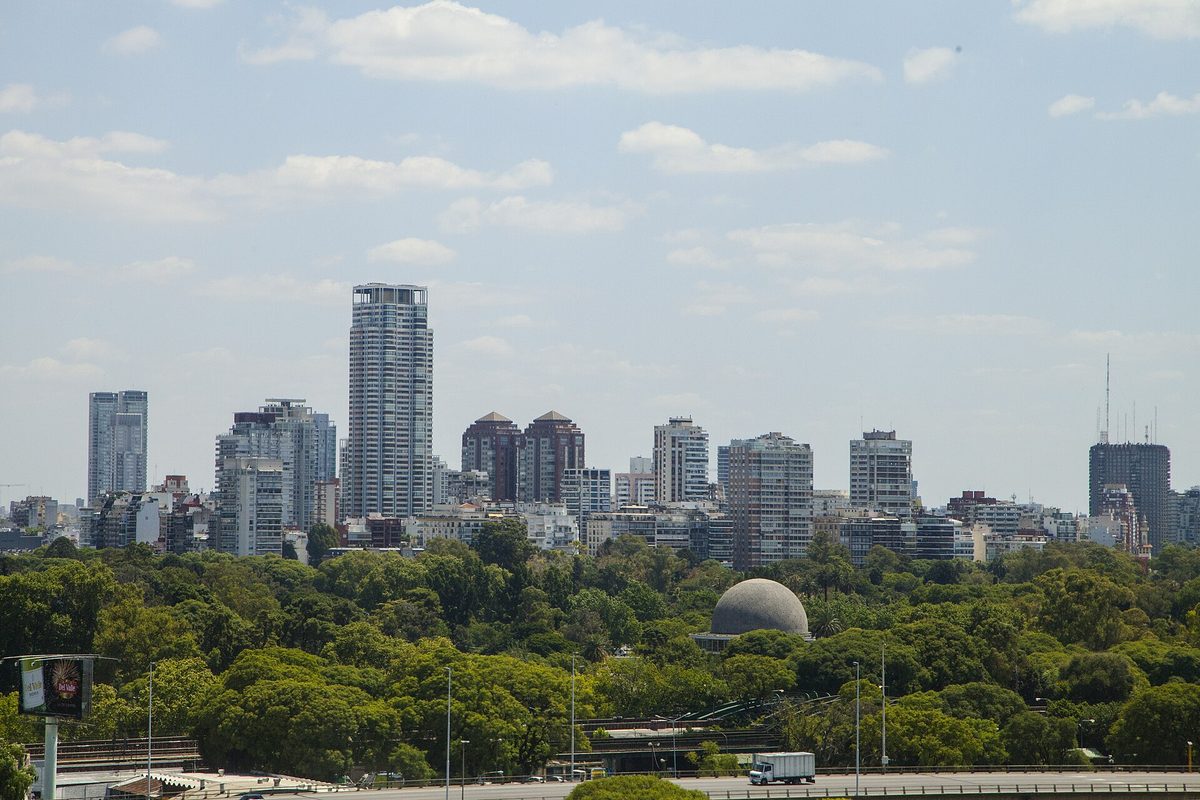
Last updated: June 2026 · Written by the Buenos Aires Tourism editorial team, who have spent years steering first-time visitors toward the right base and fielding the same anxious pre-trip question every week — “which barrio should I actually book?”
Buenos Aires sprawls across 48 official barrios, and the names blur together fast when you are booking from another continent. The good news for a first-timer: you only need a handful of them.
So here is the short version. The best neighborhoods in Buenos Aires for tourists on a first trip are Palermo for its restaurants, parks and nightlife, Recoleta for elegant, walkable calm near the big sights, and San Telmo for cobblestoned, tango-soaked history. Base yourself in Palermo or Recoleta; visit the rest. Everything below explains who each barrio suits and where to actually sleep.
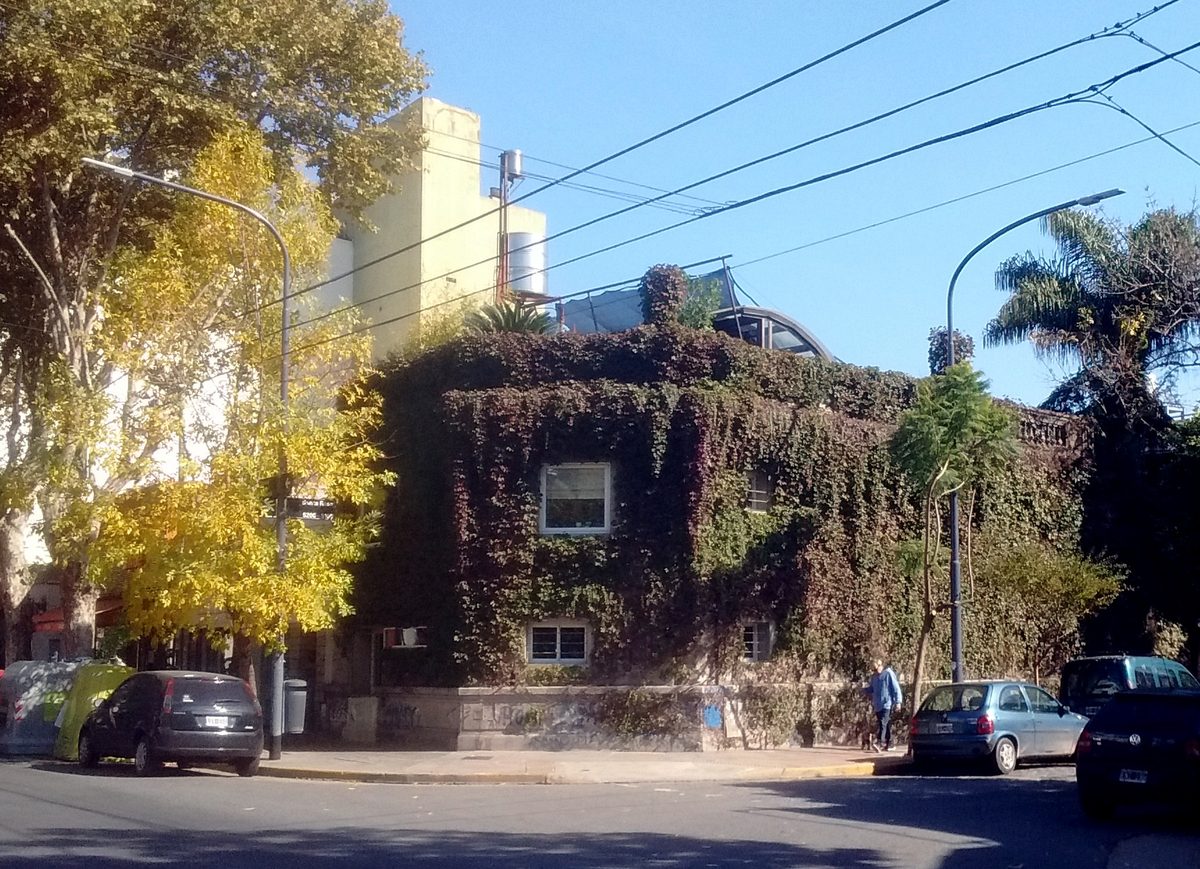
Buenos Aires neighborhoods at a glance: a comparison for first-timers
If you skim one thing, make it this table. It is the fastest way to do a Buenos Aires neighborhood comparison and find your top areas to visit before you read the detail underneath.
| Barrio | Vibe | Best for | Safety (daytime) | Base here? |
|---|---|---|---|---|
| Palermo | Trendy, green, buzzy | Food, nightlife, shopping, first trips | Good | Yes — top pick |
| Recoleta | Elegant, quiet, refined | Couples, calm, walkability, museums | Very good | Yes — top pick |
| San Telmo | Bohemian, historic, gritty | History, tango, character, budget | Fair — stay streetwise | Maybe, for the right traveler |
| Microcentro / Centro | Busy, commercial, central | Short stays, big landmarks, transit | Fair by day, quiet at night | Only for brief trips |
| Puerto Madero | Modern, polished, riverside | Safety, families, business, comfort | Excellent | Yes, if you want sleek over local |
| La Boca | Colorful, working-class | A half-day of photos and football | Use caution — day visit only | No |
| Belgrano / Villa Crespo | Residential, local | Families, longer stays, value | Good | Alternative pick |
For the full lay of the land — how the barrios connect and which ones cluster together — our guide to the neighborhoods of Buenos Aires is the place to start, and a Buenos Aires neighborhoods map helps the geography click.
Palermo: the easy default for a first trip
If you cannot decide, book Palermo. The city’s largest barrio splits into pockets — leafy Palermo Soho for boutiques and brunch, Palermo Hollywood for restaurants and late bars, and the sweep of parks and rose gardens that locals flood on weekends. It suits almost everyone: solo travelers, couples, food lovers and anyone who wants well-lit streets full of people after dark. The trade-off is that it is more polished and international than “the real Buenos Aires,” and a taxi or Subte ride from the historic centre. Read our full guide to Palermo for where to eat and which sub-barrio fits your style.
Recoleta: refined, walkable and reassuringly calm

Recoleta is the grande dame — Parisian-style mansions, wide avenues, embassies and the famous Recoleta Cemetery where Evita is buried. It is the safest-feeling central barrio, quieter at night than Palermo, and within walking distance of the Fine Arts museum, leafy plazas and a weekend craft fair. We point couples, first-timers who value calm, and anyone nervous about safety here first. The only real downside is price: this is where the luxury hotels cluster, so bargains are scarcer.
San Telmo: history, tango and bohemian grit

Many visitors call San Telmo the “real” Buenos Aires, and they are not wrong. Cobblestone streets, antique shops, a covered market and the huge Sunday fair on Defensa give it more character per block than anywhere else, and street tango still happens on the corners at night. It suits history buffs, budget travelers and anyone who prefers atmosphere over polish — just keep your wits about you and your bag zipped, especially after dark and around the fair crowds. Our San Telmo neighborhood guide covers the market, the tango and the best streets to wander.
Microcentro and Centro: central, but mostly for short stays

The Microcentro is the engine room — the Obelisco, Avenida 9 de Julio, Plaza de Mayo, the pink Casa Rosada and the pedestrian shopping of Florida Street all sit here. It is unbeatably central and useful for a whirlwind two-night stop, but it empties out and feels deserted on evenings and weekends once the office workers leave. We would base here only for a very brief trip; otherwise visit by day and sleep somewhere with more life. See our Microcentro guide for the landmarks worth your time.
Puerto Madero: sleek, safe and family-friendly

Buenos Aires’ reinvented docklands are its most modern face: converted red-brick warehouses, glassy towers, a waterfront promenade and the white sail of the Puente de la Mujer. It is the most heavily patrolled, well-lit and safest-feeling barrio in the city, which makes it a favourite for families, business travelers and anyone who prizes comfort and security over local texture. It is also the priciest and least “Argentine” feeling. Our Puerto Madero guide has the riverside walks and the nearby ecological reserve.
La Boca: a colorful day visit, not a place to stay
La Boca is unmissable for its rainbow-painted Caminito alley, the Boca Juniors stadium and a jolt of working-class port history — but it is firmly a daytime, stick-to-the-tourist-streets destination. Beyond the few blocks around Caminito the barrio has a real reputation for petty crime, so we recommend visiting by day, ideally on a tour or by taxi door to door, and not lingering after dusk. Plan it with our La Boca neighborhood guide.
Belgrano and the alternatives: Villa Crespo and Chacarita
If you are staying longer, traveling with family or chasing value, look just beyond the headline barrios. Belgrano is a calm, green, residential area popular with families and expats, with good transport and Chinatown on its doorstep. Villa Crespo, wedged beside Palermo, offers similar buzz for less money and a string of outlet shops, while up-and-coming Chacarita has become a quietly excellent food-and-wine-bar district with a very local feel. None are obvious first-trip picks, but all reward a return visit.
Where should you stay? Matching the barrio to your trip
For most first-timers, the decision comes down to two: Palermo if you want food, energy and nightlife within reach, or Recoleta if you want elegant calm and easy walking to the classic sights. Choose San Telmo if history and atmosphere matter more to you than comfort and you do not mind a grittier edge; choose Puerto Madero if safety and modern polish top your list, especially with kids. Save the Microcentro for trips of a night or two, and treat La Boca purely as a day out. If you are weighing specific hotels and zones in more depth, our dedicated accommodation guide goes hotel by hotel, and our Buenos Aires itinerary shows how to string the barrios together over a few days.
Areas to skip or approach with care
Buenos Aires is generally safe for visitors, and violent crime against tourists is uncommon — but petty theft, pickpocketing and distraction scams are widespread, so the usual city-smart habits apply. A few specifics: the area around Retiro station and the nearby Villa 31 settlement is best avoided, the southern barrios such as Barracas and Constitución warrant caution and are not worth a casual wander, and La Boca should be limited to the Caminito strip in daylight. As a rough rule of thumb, the wealthier neighborhoods north of Avenida Corrientes feel calmer than parts further south. None of this should put you off; it simply argues for basing yourself in one of the welcoming barrios above. For more to fill your days once you have chosen, see our roundup of things to do in Buenos Aires.
Frequently asked questions
What is the best area to stay in Buenos Aires for first-timers?
Palermo and Recoleta are the two strongest choices. Palermo gives you the city’s best concentration of restaurants, bars and parks with lively, well-lit streets; Recoleta offers elegant, quiet, walkable surroundings beside the major museums and sights. Both feel safe and well connected, which is exactly what you want on a first visit.
Is Palermo or Recoleta better?
Neither is objectively better — it depends on your trip. Pick Palermo for nightlife, dining variety, shopping and a younger, buzzier scene. Pick Recoleta for refined calm, beautiful architecture, top museums and an easy, walkable base that quiets down at night. Couples and quieter travelers tend to prefer Recoleta; foodies and night owls lean Palermo.
Which neighborhoods should tourists avoid?
Steer clear of Villa 31 and the streets immediately around Retiro station, and be cautious in the southern barrios such as Barracas and Constitución, particularly after dark. La Boca is fine as a daytime visit but only around the Caminito tourist strip — do not wander its back streets or linger into the evening.
Is San Telmo a good place to stay?
It can be, for the right traveler. San Telmo rewards anyone who values history, tango and bohemian character over comfort, and it tends to be cheaper than Palermo or Recoleta. The flip side is a grittier feel and a bit more street-level petty crime, so it suits confident, streetwise visitors more than nervous first-timers.
How many days do you need to see the main neighborhoods?
Three to four full days lets you cover the essentials comfortably: a day around Recoleta and the Microcentro landmarks, a day in San Telmo plus a La Boca morning, and a day or two enjoying Palermo’s parks, food and shops. Stretch to five days and you can add Puerto Madero and an alternative barrio such as Belgrano.
Final thoughts
You do not need to master all 48 barrios — you need to pick a comfortable base and let the rest reveal themselves. Sleep in Palermo or Recoleta, day-trip into San Telmo, the Microcentro and La Boca, and you will have seen the city’s best faces without overthinking it. When you are ready to go deeper into how the barrios fit together, our overview of the Buenos Aires neighborhoods ties every guide on this site together and points you to the next one worth reading.
Photo credits
- Palermo Soho, Buenos Aires — Photo: Roberto Fiadone / CC BY-SA 4.0 via Wikimedia Commons
- Recoleta Cemetery, Buenos Aires — Photo: Elemaki / CC BY 3.0 via Wikimedia Commons
- Mercado de San Telmo, Buenos Aires — Photo: ProtoplasmaKid / CC BY-SA 4.0 via Wikimedia Commons
- Puente de la Mujer, Puerto Madero — Photo: Maximiliano Buono / CC BY-SA 2.0 via Wikimedia Commons
- Obelisco and Avenida 9 de Julio, Microcentro — Photo: Alekino (CC0) via Wikimedia Commons