Last updated: June 2026 · Written by the Buenos Aires Tourism editorial team
The first time I landed at Ezeiza, jet-lagged and clutching crisp dollars, a man in an unmarked jacket offered me a “great taxi price” before I’d cleared the doors. I waved him off and walked to the official desks — as I have on every arrival since.
Getting from the ezeiza airport to buenos aires city centre is genuinely easy once you know which counters to trust. You have four realistic choices: a booked remís or private transfer (door to door, the comfiest), the Manuel Tienda León shuttle bus (cheap and reliable), an app ride like Uber or Cabify (often the cheapest), or, for the brave, the public colectivo. EZE sits about 22–30 km southwest of downtown, so plan on roughly 45–75 minutes depending on traffic.
I’ve used all of these at every hour of the day and night. Below I rank them as I’d actually choose, with rough fares (these move fast in Argentina, so check current prices), journey times, how to pay, and the scams to sidestep. For the bigger picture once you arrive — trains, the Subte, buses and ferries — see our full guide to getting around Buenos Aires.

Ezeiza airport to Buenos Aires city: the options at a glance
Ezeiza (officially Aeropuerto Internacional Ministro Pistarini, in the Ezeiza partido of Greater Buenos Aires) handles almost all of Argentina’s international flights. Aeroparque, the closer city airport, is mostly domestic — if you flew into that one instead, read our guide to getting from Aeroparque airport to Buenos Aires city. For EZE, here is how the choices stack up:
| Option | Approx. cost (one way) | Time to centre | Comfort |
|---|---|---|---|
| Private transfer / remís (booked) | US$35–55 | 45–60 min | Highest — door to door, fixed price |
| Manuel Tienda León shuttle bus | Around US$15–22 | 50–70 min | High — comfy coach, set stops |
| Uber / Cabify (app) | Around US$18–30 | 45–65 min | Good — door to door, metered/quoted |
| Official airport taxi (Taxi Ezeiza desk) | US$30–45 | 45–60 min | Good — fixed price from the counter |
| Public colectivo (bus 8 + combinations) | Under US$2 | 2 hours+ | Low — cheap but slow, needs a SUBE card |
Treat those US-dollar figures as a rough guide for 2026: Argentina’s high inflation means the peso amounts shift constantly, and the gap between the official and unofficial (“blue”) exchange rates changes what your money is worth week to week. I quote dollars because they age better than pesos, but confirm the current fare before you commit.
Booked private transfer or remís: the easy button
If you’re arriving after a long-haul flight, travelling with family, or just want zero hassle, a pre-booked private transfer is what I recommend. A driver waits in arrivals with a sign bearing your name, helps with bags, and drives you straight to your hotel for a price agreed in advance — no queue, no haggling, no “the meter is broken” surprises.
In Argentina a remís is a private hire car booked through a registered agency — a chauffeured car with a fixed quoted fare rather than a street-hailed taxi. Plenty of hotels and apartment hosts will arrange one; just email them your flight number a day or two ahead. Expect around US$35–55 to the central neighbourhoods (Recoleta, Retiro, San Telmo, Palermo). It costs more than the bus, but split between two or more people it’s very reasonable, and after a 13-hour flight the door-to-door comfort is worth a lot.
How to book one
Book before you fly through your accommodation, a reputable transfer company, or the Manuel Tienda León website (they do private cars as well as the shuttle). If you didn’t pre-arrange anything, you can still book a fixed-price car on the spot at the official desks in arrivals — more on those counters below.
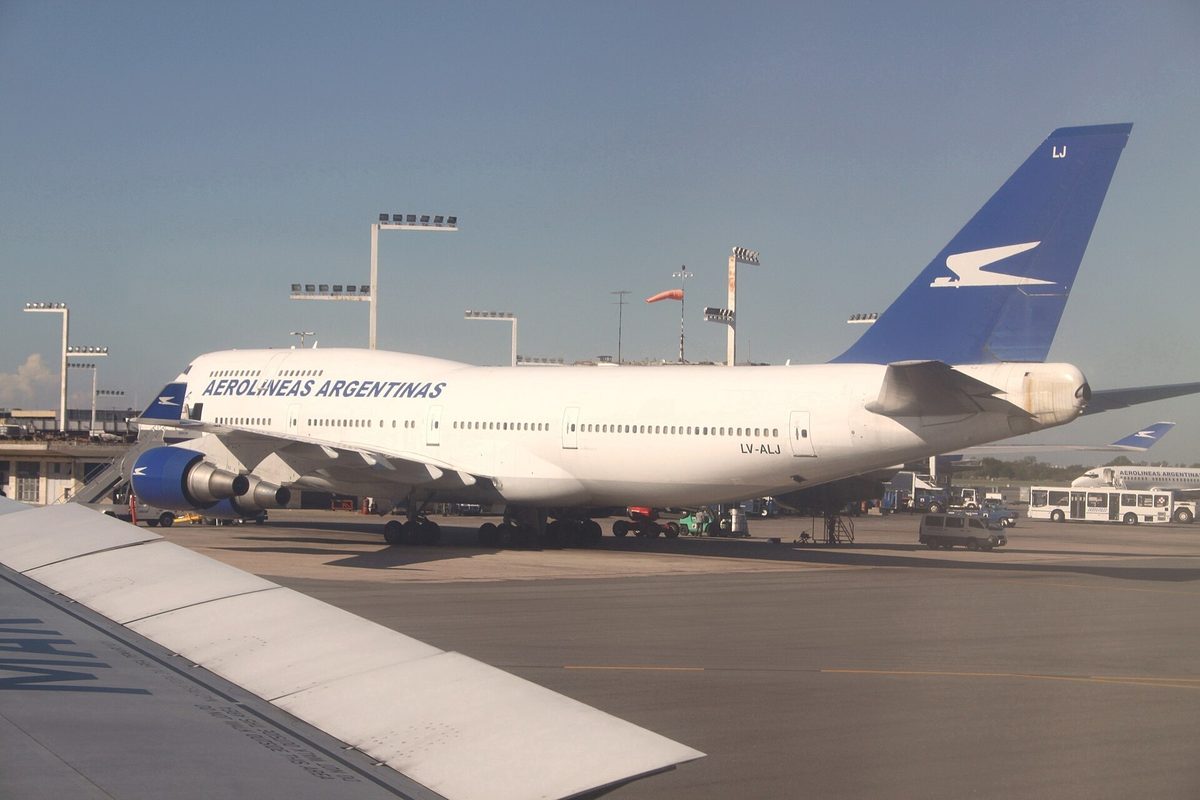
Manuel Tienda León: the reliable shuttle bus
Manuel Tienda León (everyone calls it “MTL”) is the long-running airport shuttle, and it’s my go-to when I’m travelling solo and not in a rush. Comfortable coaches run frequently between Ezeiza and the company’s own terminal near Retiro, beside Puerto Madero. From there MTL offers a free or low-cost minibus drop-off to many central hotels, or you grab a short taxi the last stretch.
The fare is usually around US$15–22 one way — far less than a private car — and buses leave roughly every half hour through the day. The MTL desk is easy to find right in the arrivals hall; you buy a ticket there (card accepted), walk to their stand and board. Journey time into the centre is about 50–70 minutes depending on traffic on the Autopista Ricchieri and General Paz.
Why I like it
It’s the sweet spot of cost, comfort and trust: a fixed published price, a proper company with a staffed counter, and no negotiating. For a solo traveller or couple watching the budget but not keen to wrestle public buses with suitcases, it’s the option I’d pick nine times out of ten.
Uber and Cabify: usually the cheapest door-to-door ride
Ride apps work well in Buenos Aires and are often the cheapest way to get a private, door-to-door car, frequently undercutting the official taxi desk. I use both Uber and Cabify in Buenos Aires constantly once I’m in town, and they work from Ezeiza too, with one catch: the airport has rules about where app cars may pick up.
Regulations and enforcement at EZE shift, so this is one to check current. As a rule, you’ll get the cleanest experience by walking to the designated rideshare pickup zone (often away from the main taxi rank) rather than expecting a driver at the arrivals door. Set your pickup point precisely, watch for the car’s plate and the driver’s name, and message them your exact location. Cabify quotes a fixed fare up front, which many travellers prefer; Uber may quote or meter. Reckon on roughly US$18–30 to the centre.
Make the app work for you
You’ll need mobile data to call and track the car, so buy a local SIM or eSIM, or use the airport Wi-Fi to request the ride before you step outside. Pay through the app with a card so you never touch cash or worry about change.
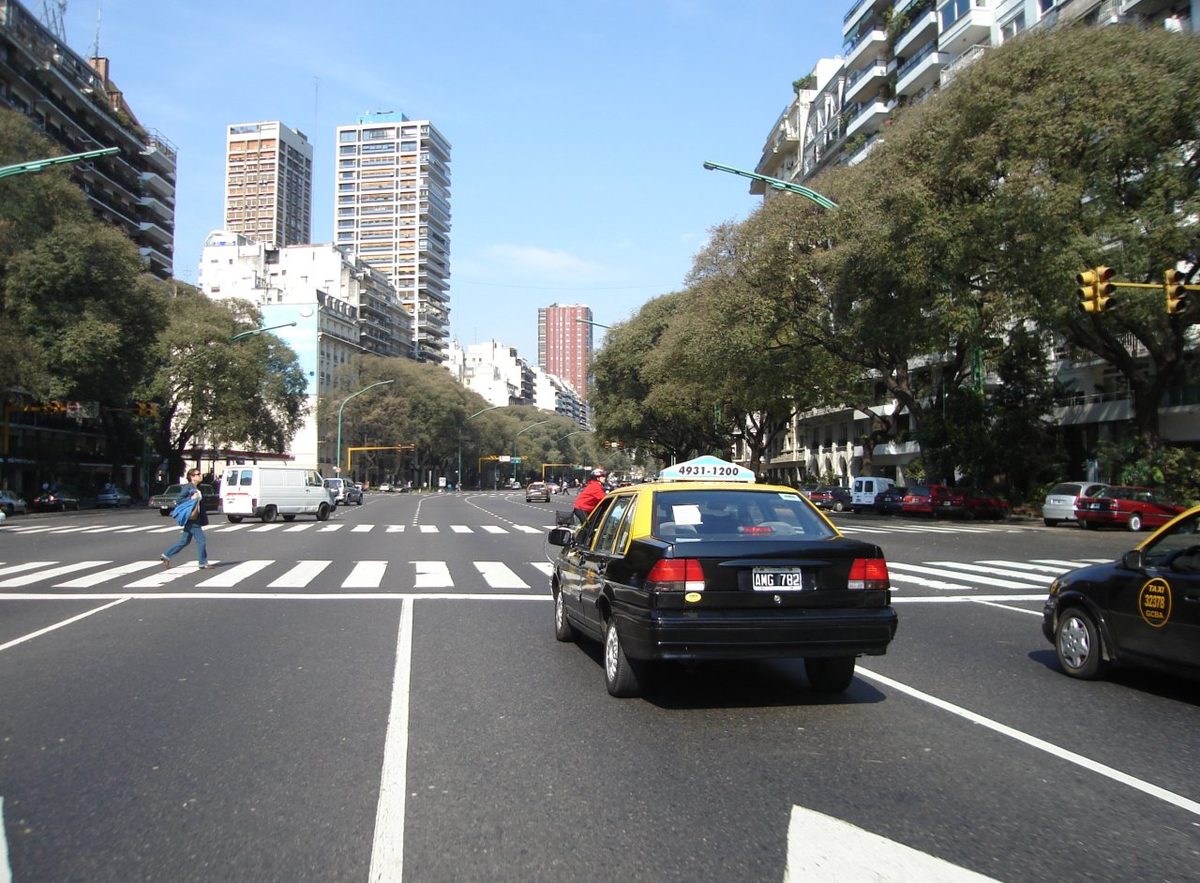
Official airport taxi from the counter
If you’d rather just grab a car the moment you land and skip the apps, use the official taxi desk inside arrivals (you’ll see counters such as Taxi Ezeiza). You pay a fixed, posted fare at the counter — typically around US$30–45 to central neighbourhoods — and they walk you to an assigned, licensed car, so there’s no meter anxiety and no route games. The golden rule: only ever take a taxi you’ve arranged at an official counter, never one offered by someone approaching you in the hall. It costs a little more than an app car, but it’s zero-effort and completely legitimate.
The cheapest route: public colectivo (for the brave)
You can reach the city for the price of a local bus fare — under US$2 — but I only suggest it if you’re travelling light, speak some Spanish and aren’t exhausted. The colectivo line 8 runs between Ezeiza and the centre; depending on the branch and traffic it can take well over two hours, stopping the whole way. It is emphatically not a quick airport express.
Crucially, you cannot pay the colectivo in cash — you need a rechargeable SUBE card, the contactless card that works on every bus plus the Buenos Aires Subte and the trains, bought and loaded at a kiosk first. For most arriving visitors the time and luggage hassle aren’t worth the saving, but for a seasoned backpacker counting every peso, it’s there.
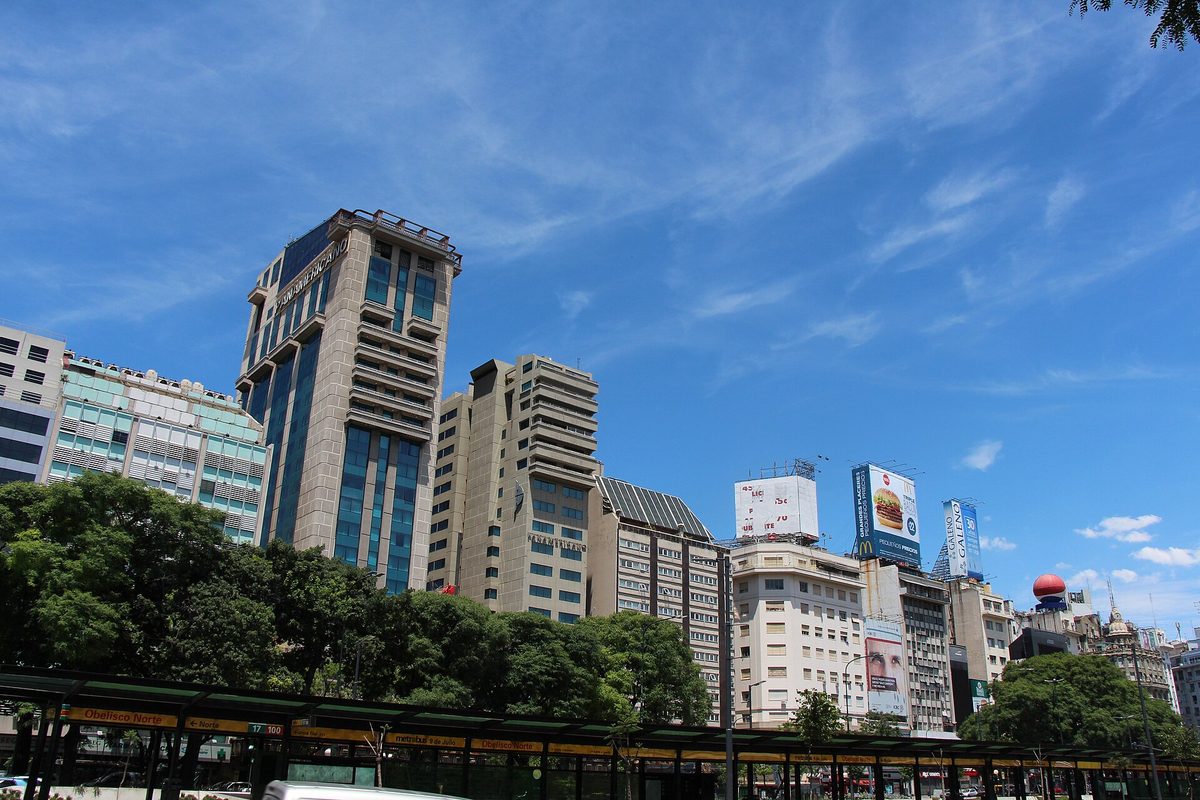
Paying: pesos, dollars, cards and the exchange-rate trap
Money is where first-timers lose the most. The currency exchange desks inside the Ezeiza terminal almost always give a poor rate, so change only a small amount there if you must. And Argentina has long had a gap between the official rate and the unofficial street (“blue”) rate; paying by foreign card has become far more attractive than it once was, but the situation moves fast, so check the current picture right before you travel rather than trusting a year-old blog.
In practice the apps and staffed transfer counters take cards, which sidesteps the cash question entirely — my preferred move. If you’re paying a remís or taxi in cash, have small peso notes ready, as drivers rarely break a large bill, and if you pay in crisp US dollars, agree the price and rate before you get in. For the wider money playbook — cards, cash, tipping and the blue rate — see our Buenos Aires travel tips.
Safety and the scams to avoid
Ezeiza is a safe, modern airport and the transfer routes are well-trodden. The risks here are about your wallet, not your wellbeing, and easy to dodge:
- Ignore the touts. Anyone offering a taxi inside the terminal or at the doors is unlicensed. Walk past them to the official desks — every legitimate option has a staffed counter.
- Book the price, not the meter. Use a fixed-fare option (counter taxi, remís, MTL) or an app that quotes up front, so the route can’t be padded.
- Mind your change. If paying cash, count it and know the rough fare so a “no change” routine can’t inflate the price.
- Keep bags in sight at the desks and the bus stand, as at any busy airport.
Arriving late at night
Plenty of long-haul flights land in the small hours, and I’ve done the 2 a.m. arrival more than once. The official taxi and remís desks operate around the clock and the apps run all night, so a door-to-door car is always the safest late-night choice. The MTL shuttle thins out overnight, so if you land very late, pre-book a car so a named driver is waiting — it takes the guesswork out of a bleary-eyed arrival.
Pros and cons, and who each option suits
Quick gut-check on who I’d steer where:
- Private transfer / remís — best for families, first-timers, late-night landings and anyone with lots of luggage who values comfort.
- Manuel Tienda León shuttle — best all-rounder for solo travellers and couples: cheap, comfortable, trustworthy, no negotiating.
- Uber / Cabify — best value for confident travellers with a working phone who want a private car at the lowest price.
- Counter taxi — best if you want a car instantly, with no app and a fixed price.
- Colectivo — only for light-packing, Spanish-speaking budget travellers with time to spare and a SUBE card.
Where you’re heading matters too: if you haven’t locked in a base yet, our guide to where to stay in Buenos Aires pairs neighbourhoods with transfer logistics, and our first-time Buenos Aires itinerary maps out a sensible first few days. For everything beyond the airport run — the Subte, colectivos, taxis and trains — circle back to our master guide on getting around Buenos Aires.
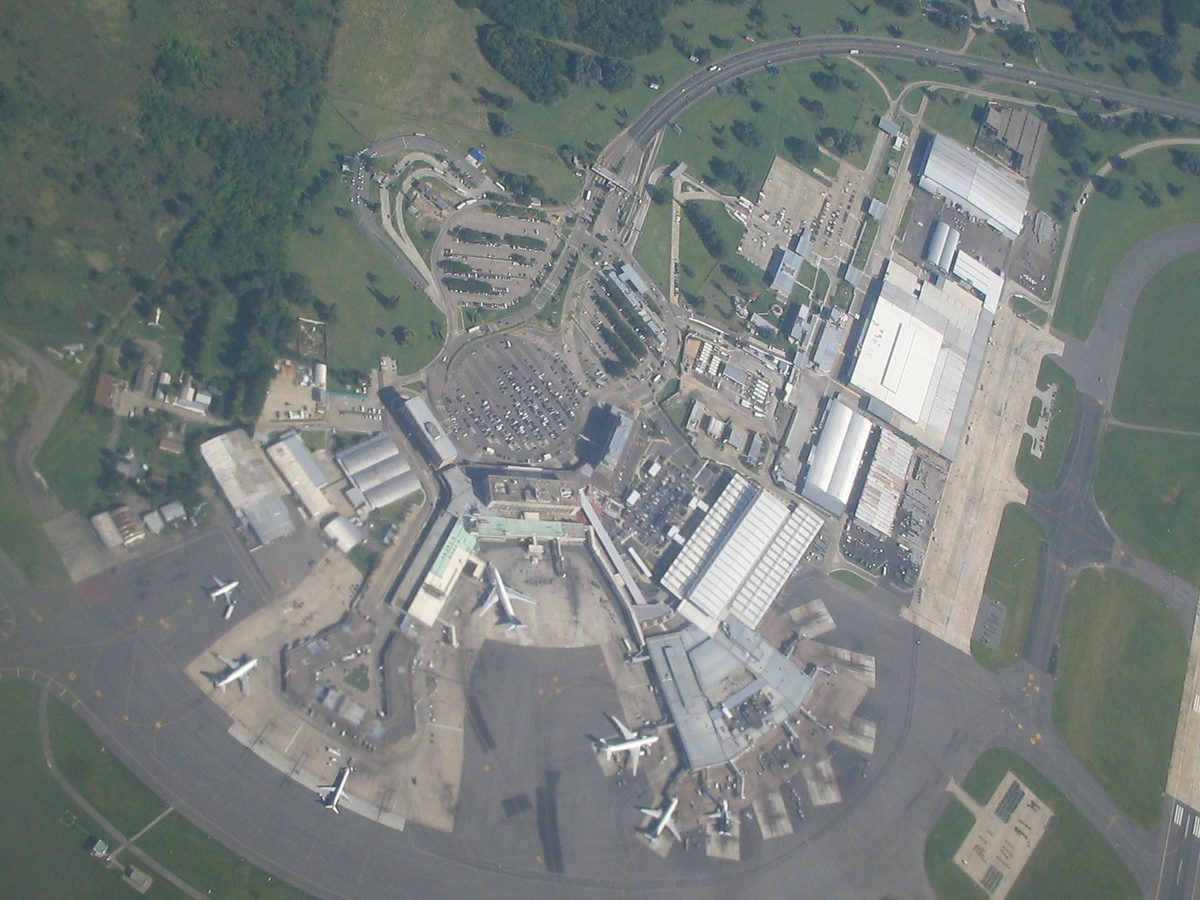
Frequently asked questions
How do I get from Ezeiza to Buenos Aires city the cheapest way?
The cheapest option is the public colectivo (bus line 8 plus connections) for under US$2, paid with a SUBE card — but it takes two hours or more. For most visitors the better-value choice is the Manuel Tienda León shuttle at around US$15–22, or an Uber/Cabify, which is private, door to door and often similarly priced.
How long does the transfer from Ezeiza take?
By car — transfer, taxi or app — plan on about 45–65 minutes to central neighbourhoods, depending on traffic on the Autopista Ricchieri and General Paz. The MTL shuttle takes a little longer, roughly 50–70 minutes; the public colectivo is far slower at two hours or more. Late at night the drive can drop under 45 minutes.
Is Uber allowed at Ezeiza airport?
Ride apps such as Uber and Cabify do operate at EZE, but the airport regulates where they may collect passengers, and the rules change. Walk to the designated rideshare pickup zone, set your pin precisely, and confirm the plate before boarding. Because enforcement shifts, check the current situation close to your travel date.
Are airport taxis in Ezeiza safe?
Yes, as long as you book at an official counter inside arrivals, such as Taxi Ezeiza, where the fare is fixed and the car is licensed. The thing to avoid is the freelance touts who approach you in the terminal offering rides. Walk straight past them to the desks.
Final thoughts
Don’t overthink it. For a smooth landing I book a private transfer or take the MTL shuttle; for the lowest fare on a private car, I use Uber or Cabify. Whatever you choose, decide before you walk out of arrivals, use only the official counters or the apps, and ignore the touts — do that and the run from the ezeiza airport to buenos aires city centre is a painless first chapter of your trip. Buen viaje.
Photo credits
- Aerial view of Ministro Pistarini (Ezeiza) airport — Photo: Npo80 / CC BY-SA 4.0 via Wikimedia Commons. File page
- Aerial view of Ezeiza airport terminals and apron — Photo: Lcachero / CC BY 3.0 via Wikimedia Commons. File page
- Aerolíneas Argentinas Boeing 747 at Ezeiza — Photo: Aeroprints.com / CC BY-SA 3.0 via Wikimedia Commons. File page
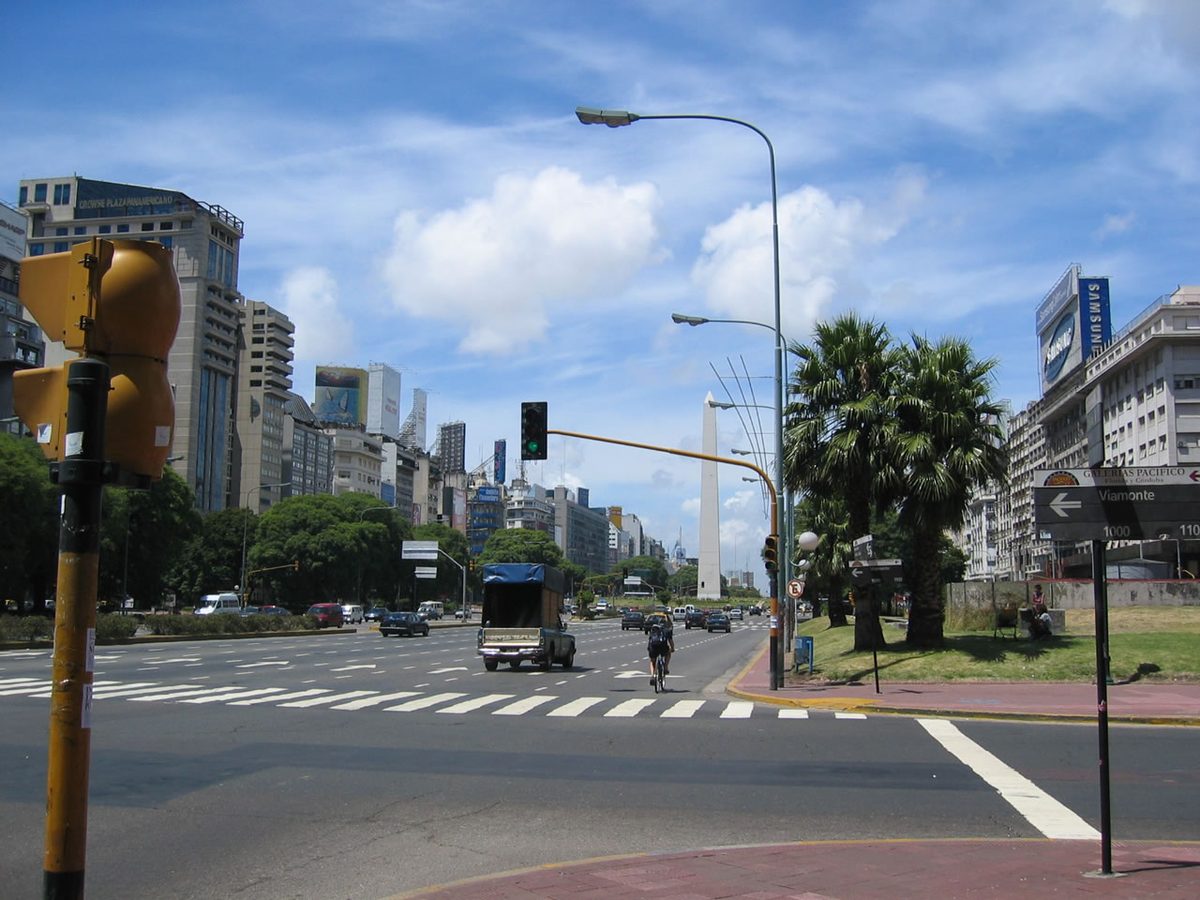
- Avenida 9 de Julio, central Buenos Aires — Photo: Raphael Henrique Figueira / CC BY-SA 4.0 via Wikimedia Commons. File page
- Black-and-yellow Buenos Aires taxi — Photo: Galio (CC0) via Wikimedia Commons. File page
3 comments