I have walked first-timers into this city more times than I can count, and the look is always the same: a little dazed, clutching a list of forty things they “have to” see. So let me do for you what I do for them — cut the noise and point you at what actually matters on a first visit.
This Buenos Aires itinerary first time visitors actually need is not a rigid hour-by-hour schedule — it is a map of the six neighbourhoods and handful of sights you should not miss, plus the know-how to avoid rookie mistakes. Hit the historic centre, Recoleta, San Telmo, La Boca, Palermo and Puerto Madero, eat well, and you will have seen the soul of the city. Below I sort it by area, then show you how to string it into a trip.
Last updated: June 2026 · Written by the Buenos Aires Tourism editorial team
Once you have read this, our full Buenos Aires itinerary guide assembles these areas into day-by-day modules for any trip length. This page is your orientation; that one is the blueprint.
The Must-See Buenos Aires at a Glance
Here is the shortlist. If your first trip touched only these six areas and their headline sights, no one could say you missed the city.
| Area | The unmissable sight | Best time |
|---|---|---|
| Historic centre | Plaza de Mayo & Casa Rosada | Weekday morning |
| Recoleta | Recoleta Cemetery (Evita’s tomb) | Any morning |
| San Telmo | The Sunday feria on Calle Defensa | Sunday |
| La Boca | Caminito’s painted houses | Daytime only |
| Palermo | Parks, food and nightlife | Afternoon & evening |
| Puerto Madero | Waterfront & ecological reserve | Late afternoon |
You do not need to see all six in a fixed order, and you should not cram them into two days. How many you fit depends on your trip length. First, the areas themselves.
The Historic Centre: Where the City Began
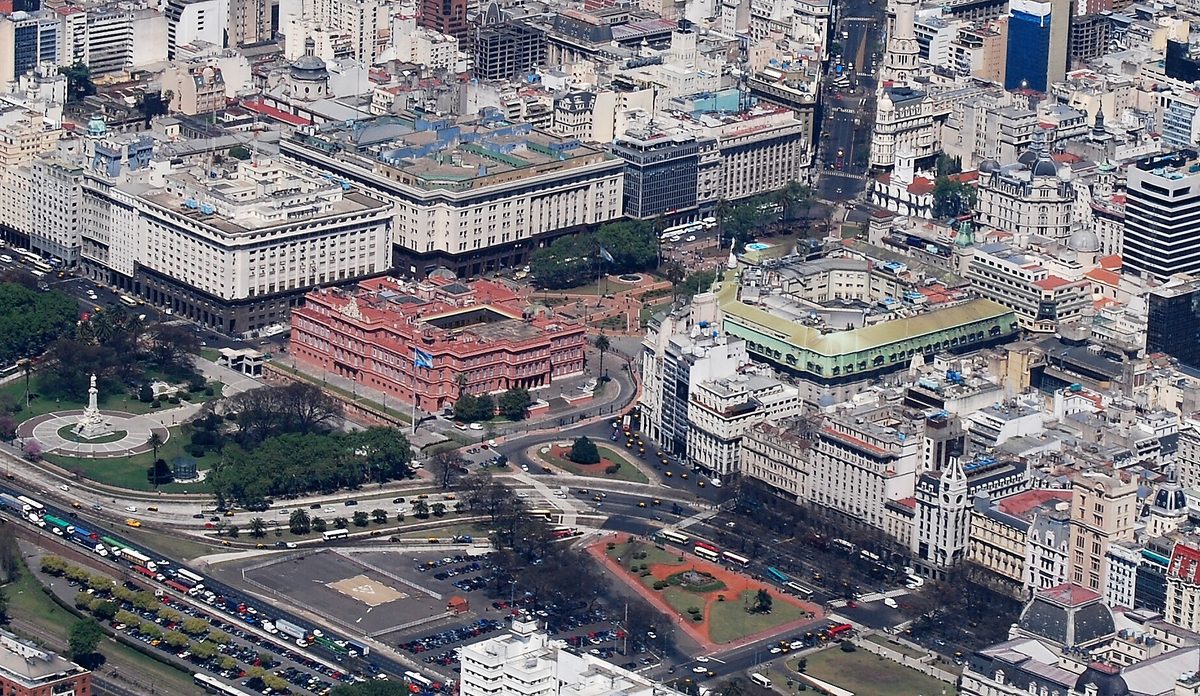
Start where Buenos Aires started. The microcentro is the dense downtown core, anchored by Plaza de Mayo — the square where the country’s history has played out for two centuries. It is ringed by the pink Casa Rosada (the presidential palace), the colonial Cabildo, and the cathedral holding the tomb of General San Martín, the nation’s liberator. Go on a weekday morning.
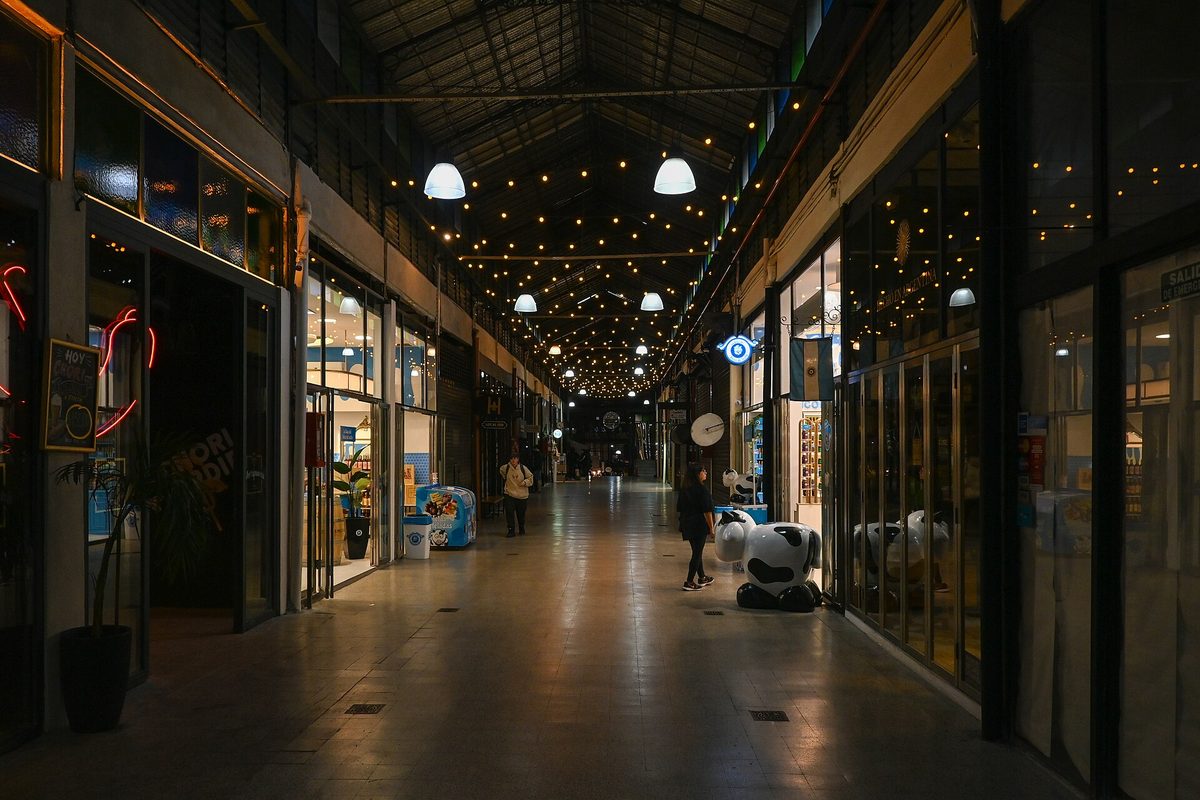
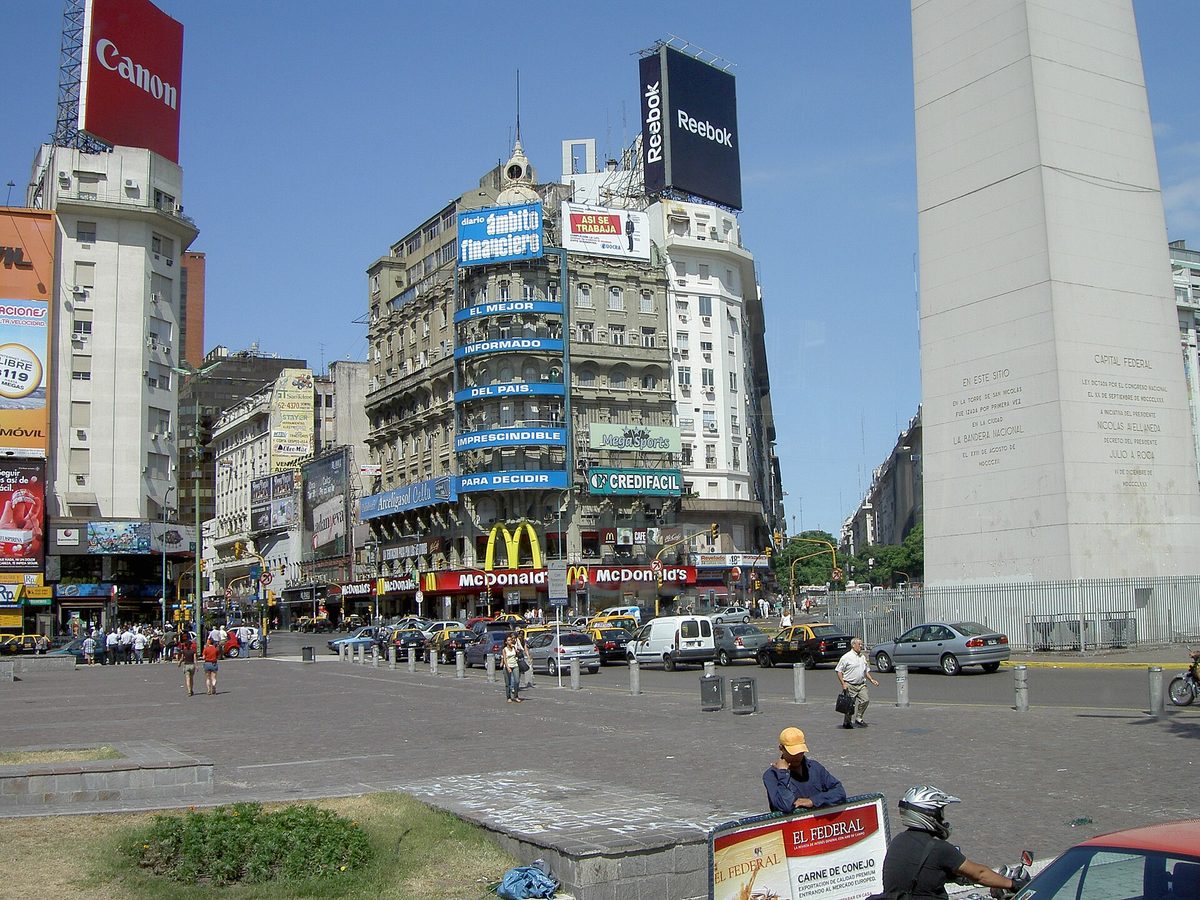
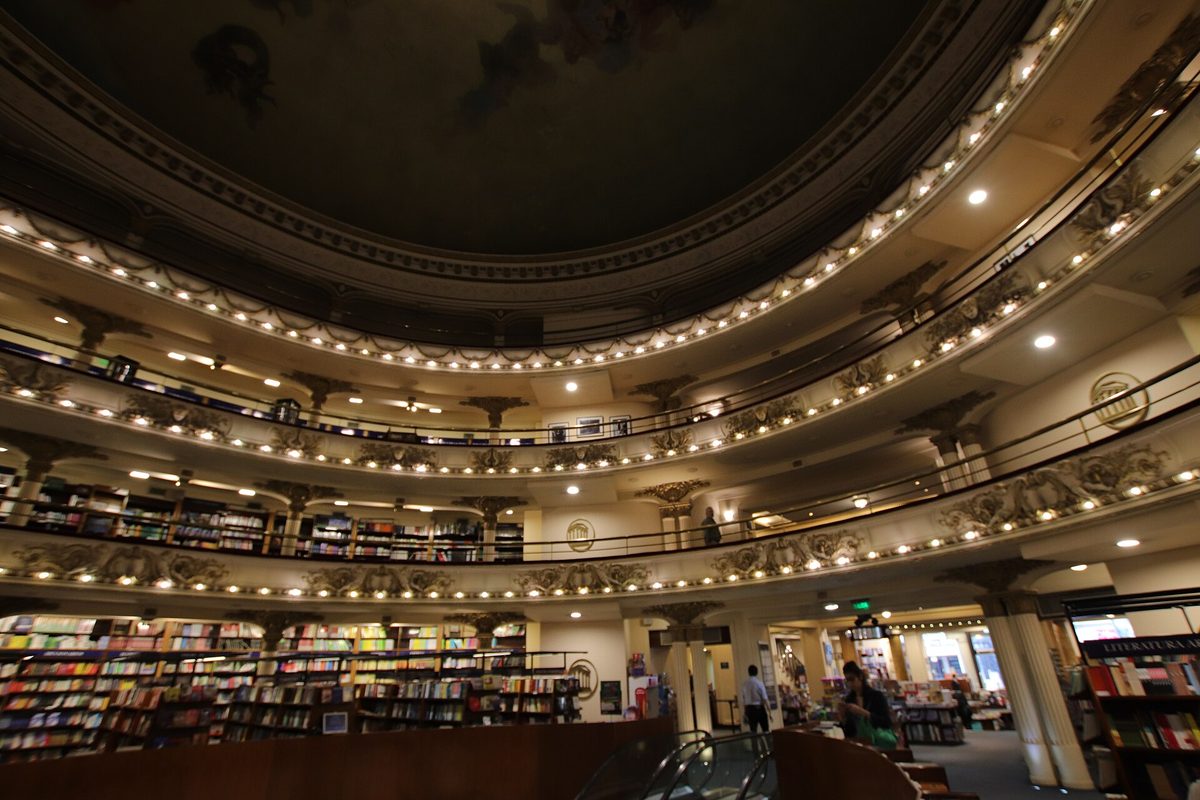
From there, walk west along stately Avenida de Mayo — duck into the historic Café Tortoni for a coffee — to the Obelisco on Avenida 9 de Julio, which locals proudly call the widest avenue in the world. A short ride north sits the sight I send everyone to: El Ateneo Grand Splendid, a 1919 theatre reborn as the most beautiful bookshop on earth. One more centre highlight worth booking ahead is a tour of Teatro Colón, one of the world’s great opera houses. For the full sight-by-sight rundown, see our guide to the best things to do in Buenos Aires.
Recoleta: Marble, Museums and Evita
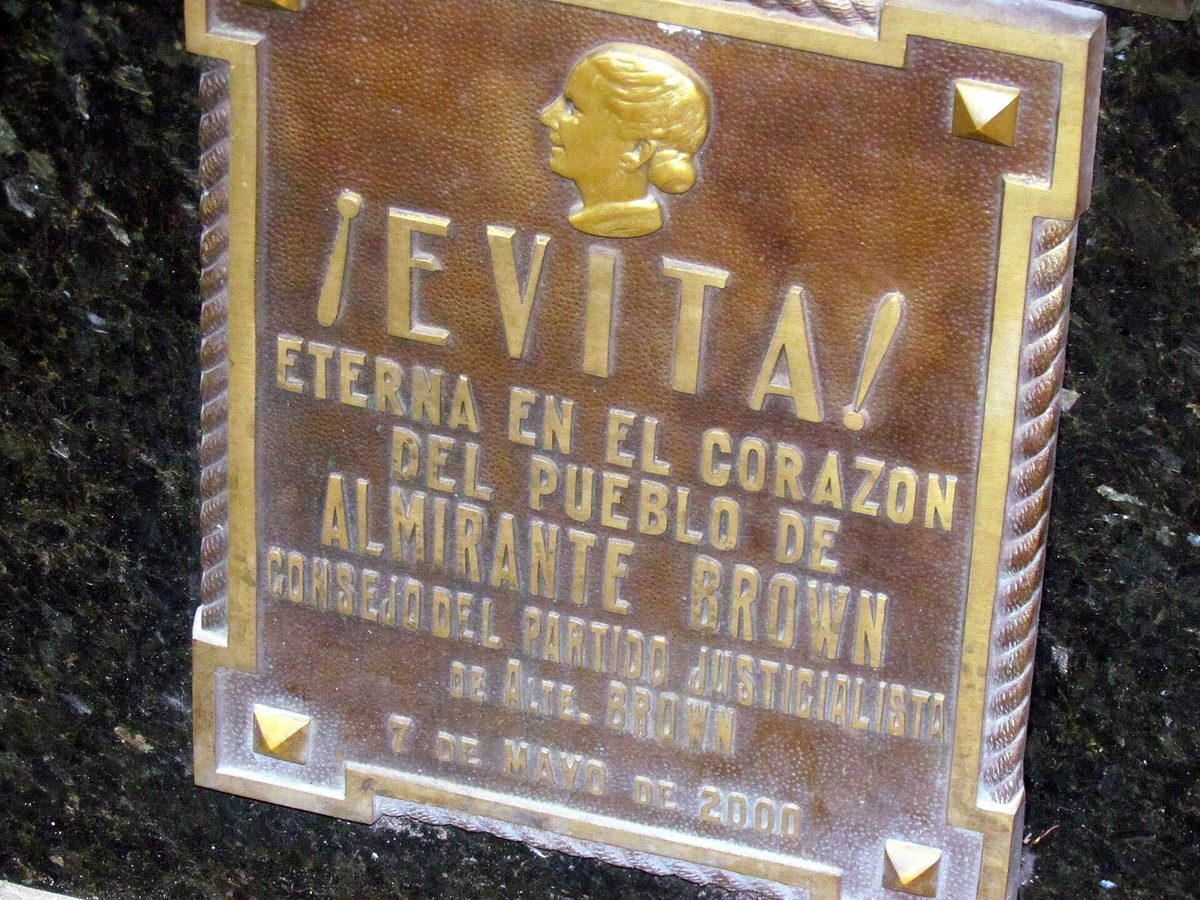
If the centre is where history happened, Recoleta is where its grandeur lives — the city’s most European corner of leafy avenues and belle-époque mansions. The unmissable sight is the Recoleta Cemetery, and I promise it is not morbid. It is an open-air museum of mausoleums, a maze of marble and weeping angels where Argentina’s presidents, generals and writers lie — most visited of all, Eva “Evita” Perón. Grab a map at the gate so you do not walk past the famous tombs. It is free and easily two hours.
Beside it you get two more freebies: the excellent Museo Nacional de Bellas Artes and, at weekends, the crafts market across Plaza Francia. Recoleta is also a strong contender for where you sleep — see our accommodation guide.
San Telmo: Cobblestones, Antiques and Tango
If you can be in town on a Sunday, spend it in San Telmo. The oldest barrio is a tumble of cobbled streets and antique shops, and on Sundays the Feria de San Telmo takes over Calle Defensa down to Plaza Dorrego — hundreds of stalls of antiques and crafts, buskers, food and impromptu tango. On any other day, the covered Mercado de San Telmo is a great spot for a market lunch.
San Telmo is the cradle of tango, alive in the evening from polished dinner-shows to gritty milongas (dance halls) where locals dance. A reality check: tango is not on every corner the way brochures imply, so go looking for it — our tango in Buenos Aires guide points you to the shows worth your night.
La Boca: The Painted Lane (and a Word of Caution)
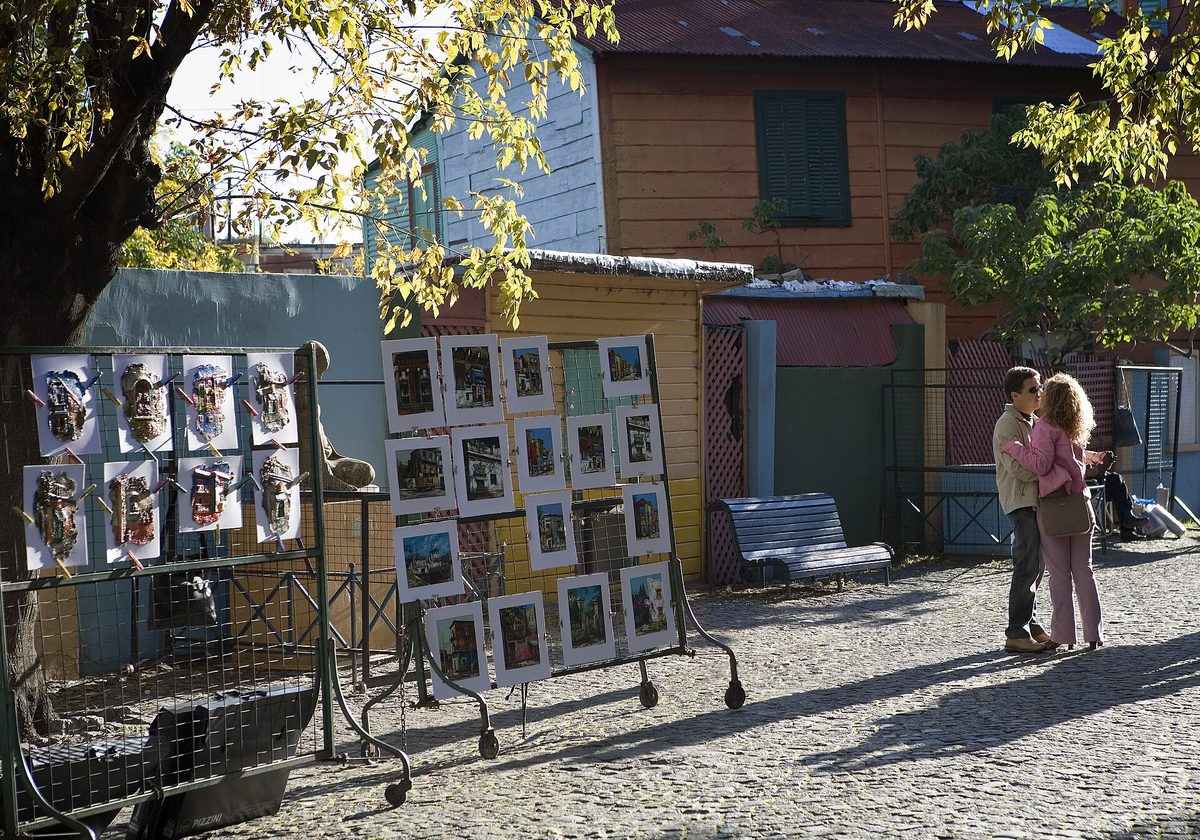
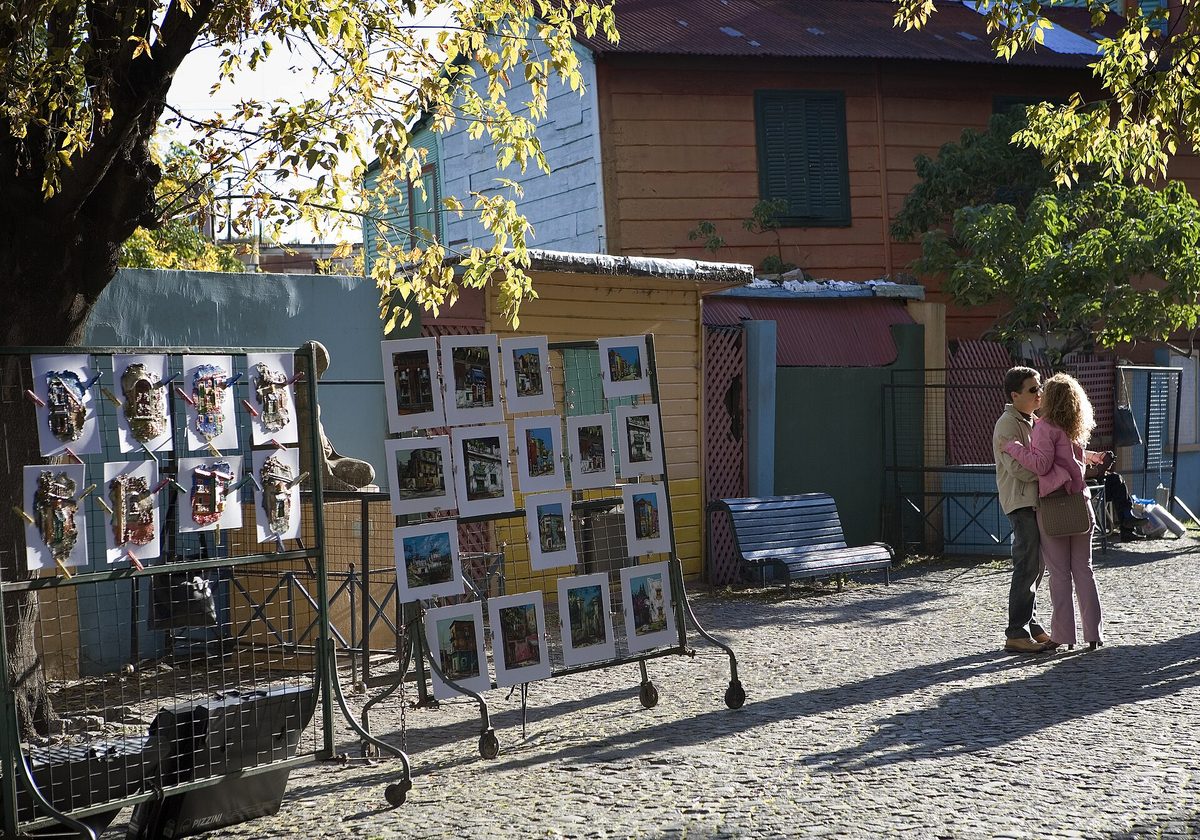
No first-time photos are complete without Caminito, the short pedestrian lane in La Boca where corrugated-metal houses are painted every colour in the box and tango dancers pose for tips. It is the city’s most photographed spot, born of the Italian immigrants who built the old port. Football fans should add La Bombonera, the thunderous Boca Juniors stadium, on a tour.
The caution every honest guide gives: stay inside the tourist core, visit in daylight only, and take a taxi or Cabify door to door rather than wandering the surrounding streets. La Boca rewards a short, sharp visit. Done right it is a highlight; done casually it is the one part of the centre where first-timers get into trouble.
Palermo: Where You’ll Eat, Drink and Probably Sleep
If I could pick one barrio for a first-timer to base in, it would be Palermo, and you will likely spend more time here than anywhere else. It splits into moods: Palermo Soho for street art, boutiques and brunch; Palermo Hollywood for the best restaurants and bars in the country; and the green Bosques de Palermo, with a rose garden, a lake and a Japanese Garden. The superb MALBA museum sits on the park’s edge.
This is the engine room of your eating and nightlife — where you book a proper parrilla (steakhouse) dinner and where the bars run till dawn. Our guides to the best Buenos Aires restaurants and the city’s best things to do lean on it heavily.
Puerto Madero: Waterfront and a Pocket of Wilderness
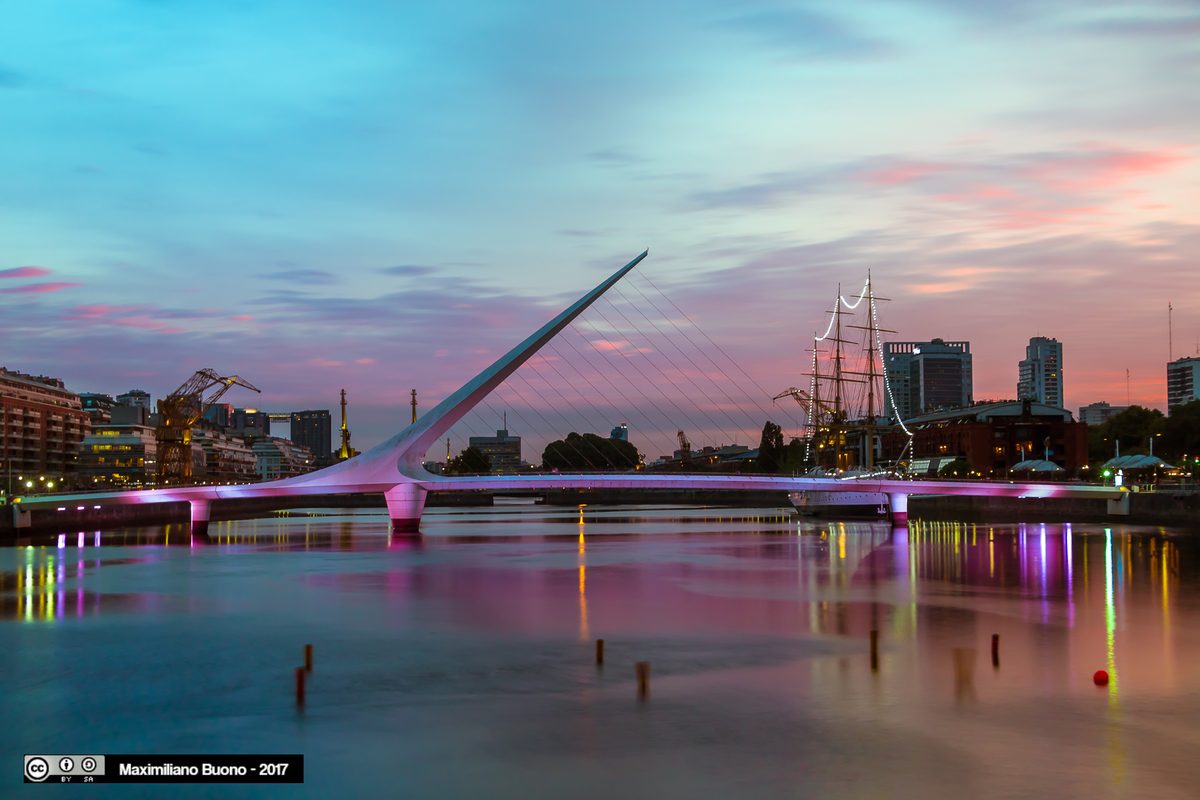
The newest barrio is gleaming Puerto Madero, the redeveloped docklands of glass towers and brick warehouses, crossed by Calatrava’s sail-like Puente de la Mujer. It makes a lovely late-afternoon stroll — and it hides the city’s best surprise. Right behind it is the free Costanera Sur ecological reserve, a wild expanse of marsh and birdlife where porteños come to walk. Few first-timers expect proper nature a fifteen-minute walk from skyscrapers.
How to Plan a Buenos Aires Itinerary First Time
The trick that makes a first visit feel effortless is to plan by neighbourhood, not by sight — group each area into one chunk of the day rather than crisscrossing the city. Buenos Aires is big and porteños start late, so build relaxed days: a late-morning start, a long lunch, a sight-packed afternoon, dinner at 9 or 10pm. How many areas you reach depends on your days, and we have an hour-by-hour plan for each:
- A weekend (48 hours): centre plus San Telmo or La Boca and one Palermo evening — our 48-hour Buenos Aires plan.
- Three days, the classic first trip: add Recoleta and a full Palermo day — see how to spend three days in Buenos Aires.
- Four days, the ideal short visit: all the core barrios unrushed, with Puerto Madero — our four-day Buenos Aires itinerary.
- On a tighter budget? The cemetery, parks, San Telmo feria and reserve are free — our Buenos Aires budget itinerary shows how to see it all for less.
Whatever the length, the master Buenos Aires itinerary page lays out each area as a stackable day module. Read this for the what; read that for the when.
First-Timer Essentials
When to visit. The kindest weather is spring (Sept–Nov) and autumn (Mar–May), when jacarandas or golden leaves frame the avenues. Summer is hot and humid; winter is cool and grey but mild, with August busy for the tango festival. No truly bad time — just pack for the season. Our season-by-season guide breaks it down by month.
Where to stay. Base yourself in Palermo or Recoleta. Palermo gives you the food and nightlife; Recoleta is elegant, central and predictably safe, closer to the historic sights. Pick one base and stay put — do not hop hotels unless you are here a week or more.
Money and the “blue dollar”. This catches everyone out. Argentina’s prices shift fast, so treat any figure (including mine) as rough and check current rates. Bring clean US dollars: the informal “blue dollar” rate, or a service like Western Union, beats an ATM’s poor official rate. Carry pesos in small bills, and keep cash for taxis, where cards often add a surcharge. Our Buenos Aires travel cost guide explains the money maze.
Getting around and the SUBE card. First thing on arrival, get a SUBE card — the rechargeable card for the Subte (metro), buses and trains. Cash is not accepted on board, so you need one; buy it at a kiosk, top up, tap on. The Subte is cheap and fast but shuts relatively early; app-based Cabify or Uber are cheap and take the guesswork out of fares. More in our getting around Buenos Aires guide.
Staying safe. Tourist areas are generally fine, but petty theft is the real risk, not violence. The golden rule: do not flash your phone on the street or in traffic. Wear a crossbody bag in front, stay alert on a crowded Subte, and stick to the core barrios. La Boca beyond Caminito and quiet downtown streets after dark are where to be most careful.
Food You Cannot Leave Without Trying
Eating is half the reason to come, so do not even think about dieting. The non-negotiables:
- Steak at a parrilla. The asado is the main event — a bife de chorizo grilled over wood at a Palermo institution. Book the famous ones ahead.
- Empanadas. The perfect cheap lunch — little baked pastries of beef, ham and cheese, or corn, on every corner.
- Alfajores and dulce de leche. Soft biscuits glued with caramelly dulce de leche and dipped in chocolate. The dulce de leche goes on everything.
- Street food and ice cream. A choripán (grilled chorizo in bread), fugazzeta pizza, and a scoop of helado that rivals Italy’s.
One note: traditional menus are very meat-heavy, so committed vegetarians should seek out Palermo and San Telmo for plant-based options.
Rookie Mistakes to Avoid
- Booking the wrong airport. Two exist — international Ezeiza (EZE), about 45 minutes out, and Aeroparque (AEP), by the centre for domestic flights. Check your ticket.
- Relying on cards and ATMs. You lose money on the official rate. Bring dollars; carry small-bill pesos.
- Treating it as a checklist. Racing between sights misses the point — linger over a long lunch. That pace is the city.
- Eating dinner at 7pm. Locals dine at 9–10pm. Shift your clock or eat alone.
- Wandering La Boca, or flashing a phone. The two classic safety slips, both easily avoided.
Frequently Asked Questions
How many days do you need in Buenos Aires for a first visit?
Three to four days is the sweet spot for a first time in Buenos Aires. Three covers the historic centre, San Telmo or La Boca, Recoleta and Palermo at a relaxed pace; a fourth adds Puerto Madero. With five or more you can fold in a day trip. Two days works but you will be choosing favourites.
What should a first-timer not miss in Buenos Aires?
The must-sees are Plaza de Mayo and the Casa Rosada, the Recoleta Cemetery with Evita’s tomb, the Sunday San Telmo feria, colourful Caminito in La Boca, and the parks, food and nightlife of Palermo. Add a tango show and one proper parrilla steak dinner and you have seen the heart of the city.
Is Buenos Aires safe for first-time tourists?
Yes, with normal big-city caution. The real risk is petty theft, not violence. Keep your phone out of sight, wear a crossbody bag in front, stay alert on crowded transport, and stick to the main barrios. Be extra careful in La Boca outside the Caminito core and on quiet downtown streets after dark.
Do I need cash or will cards work in Buenos Aires?
Bring cash. Cards work in many restaurants and hotels, but you get a poor official rate, and markets, taxis and small cafés often want pesos. Bring clean US dollars to exchange at a better rate, carry small bills, and keep cash for cabs, where cards can add a surcharge. Always check current rates.
Final Thoughts
Your first time in Buenos Aires does not need a forty-item checklist — just the right six areas, a relaxed pace, a SUBE card, some cash and an empty stomach. Cover the historic centre, Recoleta, San Telmo, La Boca, Palermo and Puerto Madero, eat like you mean it, and let the late, generous rhythm of the city carry you. When you are ready to turn these highlights into a day-by-day plan, the full Buenos Aires itinerary guide is your next stop. Buen viaje.
Photo Credits
- Plaza de Mayo & Casa Rosada: Photo by Pavel Špindler, CC BY 3.0 via Wikimedia Commons.
- El Ateneo Grand Splendid: Photo by Andrzej Otrébski, CC BY-SA 4.0 via Wikimedia Commons.
- Evita memorial, Recoleta Cemetery: Photo by David Berkowitz, CC BY 2.0 via Wikimedia Commons.
- Caminito, La Boca: Photo by Jorge Royan, CC BY-SA 3.0 via Wikimedia Commons.
- Puente de la Mujer, Puerto Madero: Photo by Maximiliano Buono, CC BY-SA 2.0 via Wikimedia Commons.