The first time I tried to set a daily budget for Buenos Aires, I gave up halfway through. Every guide quoted a different number, half of them in pesos already out of date, and the rate moved twice while I was reading. Let me save you that headache.
So, what is a realistic buenos aires cost per day? As of mid-2026, plan on roughly US$35–55 a day as a budget backpacker, US$100–160 a day mid-range, and US$300–500+ a day for comfort or luxury. Those totals cover a bed, three meals, local transport and a couple of activities. Where you land depends almost entirely on your hotel and how often you eat out — this guide shows you how much to budget for Buenos Aires before you book.
Last updated: June 2026 · Written by the Buenos Aires Tourism editorial team
The money situation in Buenos Aires in 2026 (read this first)
Here is what trips up almost everyone who researched this trip a year or two ago: the old advice is wrong now. For years, the line was “bring crisp US dollars, change them on the street for the blue dollar, and never use a card.” That made sense when the parallel (blue) rate was 50–90% better than the official one.
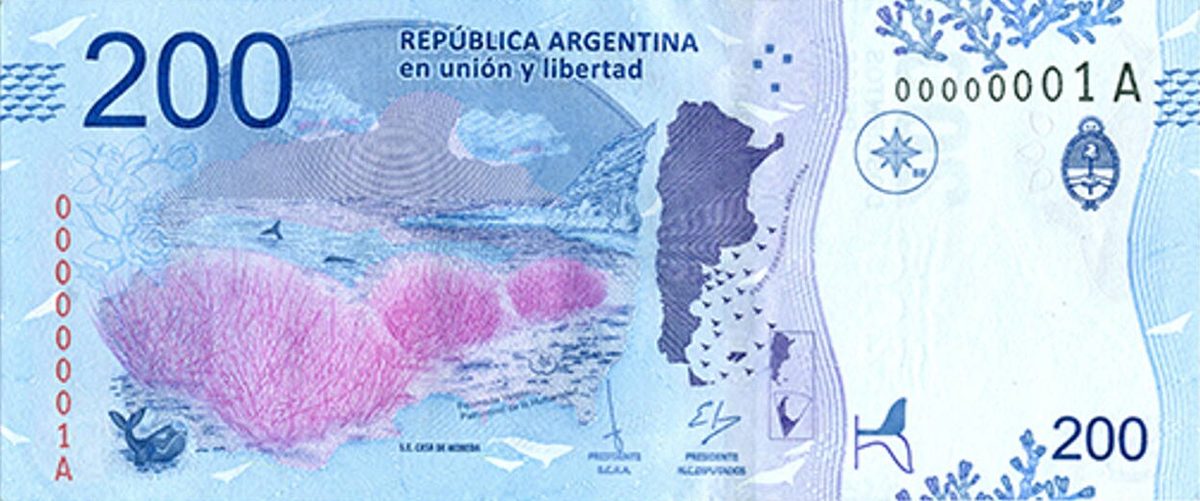
That gap has largely closed. Argentina lifted most of its currency controls in April 2025 and moved to a managed float, and the premium between the dolar blue, the dolar MEP and the official rate collapsed to a few percent. As of mid-2026 the various rates all sit in the rough neighbourhood of 1,400–1,500 pesos to the US dollar — but treat that as a snapshot, not gospel. Argentine inflation, though falling, is still real, so any peso figure you read today will likely be higher by the time you travel.
This is genuinely good news for your budget: paying by card is now usually fine. Foreign Visa and Mastercard transactions are converted at a tourist/MEP-style rate close to what you would get changing cash, so you no longer need a brick of dollars. I still carry some cash for markets, taxis and small cafes, but I no longer obsess over it. For the full picture, see our guide to the dolar blue in Buenos Aires and our rundown of currency for tourists in Argentina.
Because the peso moves, I quote everything below primarily in US dollars and give peso figures only as rough, dated ranges. Before you rely on any number here, check the live rate on a site like dolarhoy.com or Google. For the big-picture view of what a trip costs, our Buenos Aires travel cost guide ties all of this together.
Buenos Aires cost per day at a glance: three traveller types
Here is the quick comparison most people come for: realistic per-day totals for one person, as of mid-2026, assuming you are already in the city (so no flights). I have rounded the peso column hard on purpose — treat it as “give or take,” because it drifts with inflation and the rate.
| Category | Shoestring / backpacker | Mid-range | Comfort / luxury |
|---|---|---|---|
| Accommodation | US$12–18 (dorm bed) | US$60–90 (private room/hotel) | US$200–350+ (4–5 star) |
| Food & drink | US$12–18 | US$35–55 | US$80–150 |
| Local transport | US$1–3 (SUBE) | US$5–12 (mix taxi/subte) | US$20–40 (taxis/remis) |
| Activities | US$0–8 (mostly free) | US$15–30 | US$40–80 (tours, shows) |
| Per-day total (USD) | US$35–55 | US$100–160 | US$300–500+ |
| Rough peso total* | ~AR$55,000–80,000 | ~AR$150,000–230,000 | ~AR$450,000–700,000+ |
*Peso figures are approximate, calculated at roughly 1,450 ARS/USD as of mid-2026 and will change — check the current rate before you rely on them.
If you remember one line from this article, make it this: your accommodation choice decides almost everything. The gap between a US$15 dorm and a US$300 suite dwarfs every other line item combined; food, transport and activities barely move the needle by comparison. Wondering whether the city is pricey overall? We dig into that in is Buenos Aires expensive?.
The shoestring budget: US$35–55 a day
This is the dorm-bed, empanadas-and-walking-tours version of the city, and honestly it is a great way to see Buenos Aires. So much of what makes the city special — the architecture, the parks, the street life, the milongas spilling onto plazas — costs nothing.
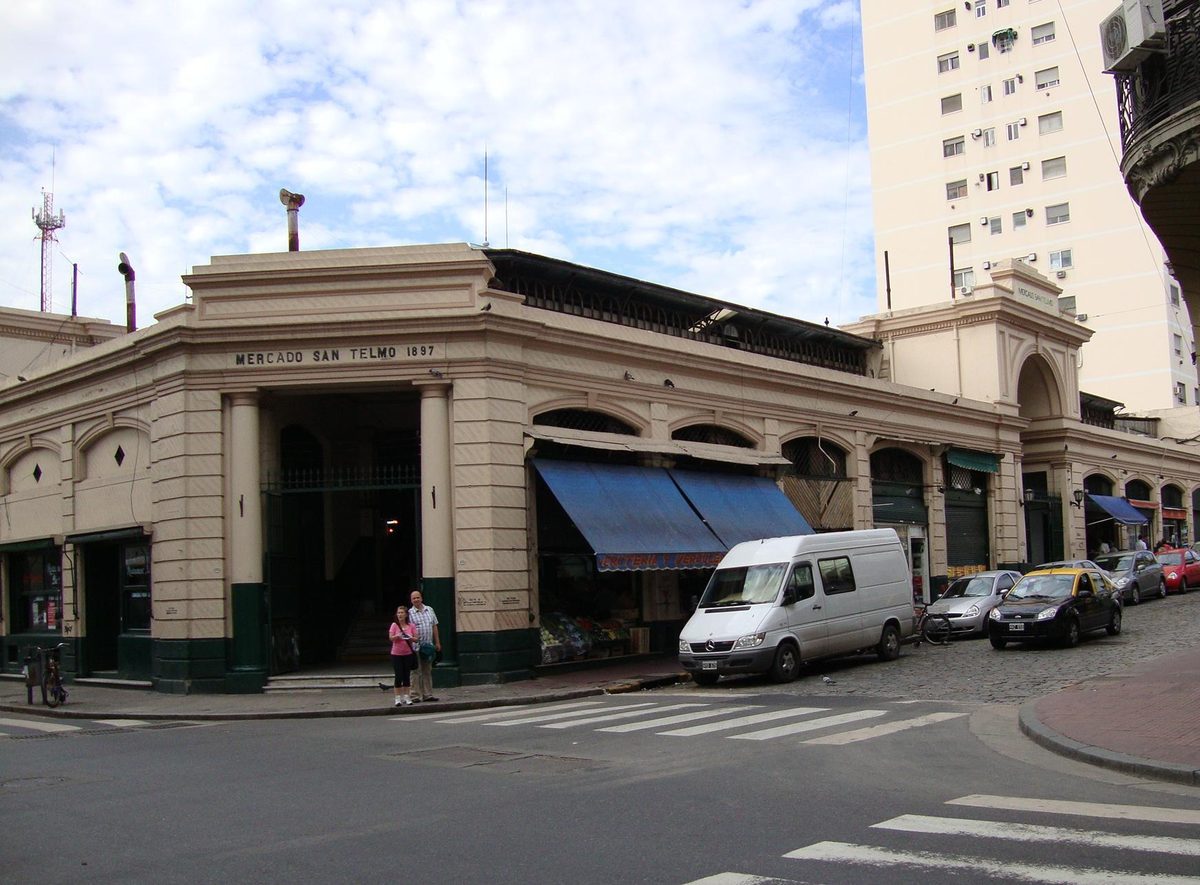
Accommodation (US$12–18): A dorm bed in a sociable hostel in San Telmo or Palermo runs around US$12–18 a night as of mid-2026, sometimes less in low season. The cheapest beds dip toward US$8–10 if you are flexible. For the lay of the land, see our guide to hostels in Buenos Aires.
Food (US$12–18): This is where Buenos Aires is kind to you. Two empanadas or a choripan from a street cart cost a couple of dollars. Look for the menu del dia at lunch — a fixed-price two-course meal with a drink — for around US$6–9. Cook a few dinners at the hostel and you can eat well on US$12–18 a day. The free things to do in the city often pass the best cheap-eat spots.
Transport (US$1–3): Get a SUBE card and you are golden. A single subte (subway) or bus ride costs well under a dollar — roughly AR$900–1,000 as of mid-2026, or about US$0.30–0.50. Even crisscrossing the city all day, you will struggle to spend US$3.
Activities (US$0–8): Free walking tours (tip what you can), the Recoleta Cemetery, the parks of Palermo, San Telmo on a Sunday — most days can cost nothing. Budget a few dollars for the odd museum or a beer.
The mid-range budget: US$100–160 a day
This is what I budget for most of my own trips, and it buys a genuinely comfortable Buenos Aires: a private room, sit-down dinners at proper parrillas, the occasional taxi, and tickets to a tango show or a football match.
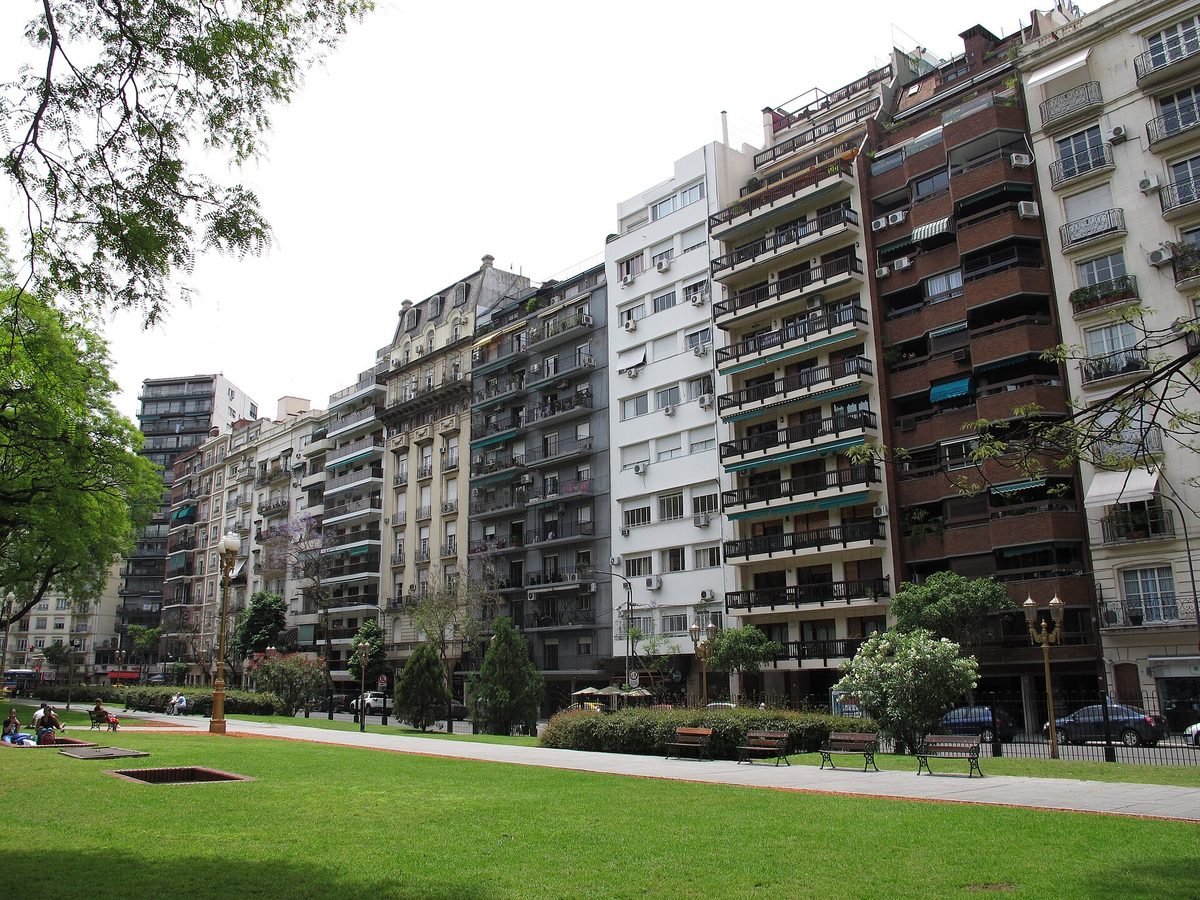
Accommodation (US$60–90): A private room in a boutique hotel or a nice apartment in Palermo, Recoleta or San Telmo sits around US$60–90 a night as of mid-2026. Apart-hotels are great value if you want a kitchen. Our guide to Buenos Aires travel costs breaks down neighbourhoods and seasons in more detail.
Food (US$35–55): Now you can eat out properly. Coffee and medialunas for breakfast, a relaxed lunch, and a real parrilla dinner — steak, a glass of Malbec, dessert — comes to around US$35–55 a day, with a mid-range steak dinner and wine running roughly US$25–35 per person. Argentina makes this kind of indulgence feel affordable.
Transport (US$5–12): Mix the subte for longer hops with the occasional taxi or app-based ride. A cross-town taxi is roughly US$5–10. Budget US$5–12 a day and you will never think twice about hailing a cab after dinner.
Activities (US$15–30): A guided Buenos Aires walking tour, museum entries, a tango show, or a day trip to the delta — budget US$15–30 a day and you can do something memorable most days.
The comfort & luxury budget: US$300–500+ a day
Buenos Aires does luxury beautifully, and it still costs noticeably less than the equivalent in New York, Paris or London. At this level you stay somewhere special, eat at the city’s best tables, and let other people handle the logistics.
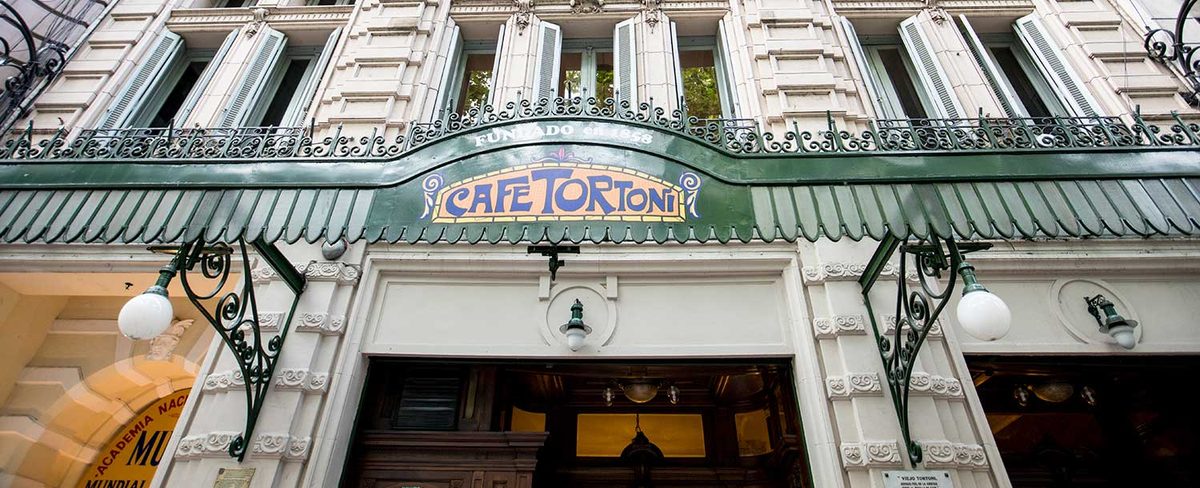
Accommodation (US$200–350+): Think the Alvear Palace, the Palacio Duhau–Park Hyatt, the Four Seasons, or a sleek design hotel in Palermo Soho. Rates run from around US$200 a night for a smart boutique up to US$700–800 for the grande-dame palaces. This single line is what pushes the daily total so high.
Food (US$80–150): Tasting menus at the city’s celebrated restaurants, a long lunch with a serious wine list, cocktails at a speakeasy. Even a blow-out dinner often costs a fraction of what it would back home.
Transport (US$20–40): Private transfers, taxis and the odd hired car with a driver (a remis) for day trips — comfortable, door-to-door, no SUBE card required.
Activities (US$40–80): Private guides, premium tango dinner shows, polo days, a wine-focused Buenos Aires food tour, or a personal shopper in the leather district. The city’s best experiences are very much within reach at this budget.
Where your money actually goes
Here is how the individual categories behave in 2026, useful if you want to mix and match (a cheap bed but great food, say).
Accommodation: the swing factor
This is the line that decides your tier: dorms from ~US$12, solid private rooms ~US$60–90, luxury US$200+. Low season (winter, roughly June–August outside holidays) is cheaper; book ahead for tango festival weeks and the December holidays.
Food: cheap if you want, world-class if you splurge
You can eat brilliantly at almost any budget. Street food and bakery items are a couple of dollars; the parrilla steak dinners are the affordable luxury everyone talks about. Tap water is safe to drink, which quietly saves money. Remember the cubierto, a small per-person cover charge for bread and table service on many bills, and factor in a tip; our guide to tipping in Buenos Aires explains the customary 10%.
Transport: almost too cheap to budget for
Public transport is one of the city’s great bargains. A SUBE card costs a few dollars, rides are well under US$0.50, and a connecting ride within two hours is half price. Even at the comfort tier, taxis are cheap by international standards, so most days your transport spend is a rounding error.
Activities: pay only for what you value
So much is free that activities are the easiest line to flex. A week of walking tours, parks and people-watching costs almost nothing; tango shows, day trips and private guides add up fast. Spend on the two or three things you will actually remember.
How to stretch your Buenos Aires daily budget
A few habits that quietly lower your buenos aires cost per day without making the trip feel cheap:
- Eat your big meal at lunch. The menu del dia gives you the same kitchen at a fraction of dinner prices.
- Carry some cash for small vendors. Markets, taxis and tiny cafes sometimes prefer it; for bigger spends, cards are fine in 2026.
- Get a SUBE card on day one. It is the cheapest way around and works on buses, the subte and trains.
- Travel in the shoulder or low season. Hotel rates soften noticeably outside the December holidays and peak festival weeks.
- Walk the walkable neighbourhoods. Palermo, Recoleta and San Telmo are best on foot, and walking is free sightseeing.
- Change larger amounts less often. If you do use cash, fewer, bigger transactions cut down on fees.
If you want a ready-made cheap framework, our Buenos Aires budget itinerary is built around exactly these habits.
So which budget suits you?
Choose the shoestring budget if you are a backpacker, a student, or anyone happy in a dorm who would rather spend on experiences than thread count. Buenos Aires is one of the best big cities in the world to do this in.
Choose the mid-range budget if you want privacy, comfort and the freedom to eat out and say yes to things without a spreadsheet. This is the sweet spot for most couples and solo travellers, and it stretches further here than in most world capitals.
Choose the comfort or luxury budget if you are here for a special occasion, value being looked after, or simply want the city’s best of everything — which, refreshingly, costs less than its equivalent elsewhere.
Frequently asked questions
How much money do I need per day in Buenos Aires?
As of mid-2026, budget on roughly US$35–55 a day for backpacker-style travel, US$100–160 a day mid-range, and US$300–500+ for comfort or luxury. Those totals cover a bed, three meals, local transport and a couple of activities, but exclude flights. Your accommodation choice is by far the biggest variable, so set that first.
Is Buenos Aires cheap for tourists in 2026?
It can be very affordable, especially for food, transport and activities, though it is no longer the bargain-basement destination of a few years ago. The currency controls that created the huge “blue dollar” discount were lifted in 2025, so the easy arbitrage is gone. Even so, dining out and getting around stay cheap by Western standards. See our full take on whether Buenos Aires is expensive.
Should I use cash or card in Buenos Aires now?
Both. Since the exchange rates converged in 2025, foreign Visa and Mastercard payments are converted at a tourist-friendly rate, so cards are now a fine choice for hotels, restaurants and shops — a reversal of the old “cash only” advice. Keep some pesos for markets, taxis and small cafes. Check the current rate before relying on any peso figure.
How much should I budget for food per day in Buenos Aires?
Around US$12–18 a day if you lean on empanadas, the lunchtime menu del dia and a bit of self-catering; US$35–55 a day to eat out properly at parrillas and cafes; and US$80–150 if you are chasing the city’s top tables. Tap water is safe, which saves a little, and remember the small cubierto cover charge plus a customary 10% tip.
How much does a week in Buenos Aires cost?
Multiply the daily figures: roughly US$245–385 for a week of shoestring travel, US$700–1,120 mid-range, and US$2,100–3,500+ for comfort or luxury — all excluding international flights. Travelling slower and cooking a few meals pulls the lower end down further. The Buenos Aires travel cost guide covers trip-length planning in depth.
Final thoughts
The honest headline is that Buenos Aires gives you enormous control over what you spend. You can do it beautifully on US$45 a day or US$450 a day, and both are legitimately good trips — the city’s charm does not scale with your budget. Pick your accommodation tier, keep some cash alongside your cards, and check the live exchange rate the week you travel, because the peso will have moved since I wrote this. For everything else — flights, neighbourhoods, when to go — start with our Buenos Aires travel cost guide.
Photo credits
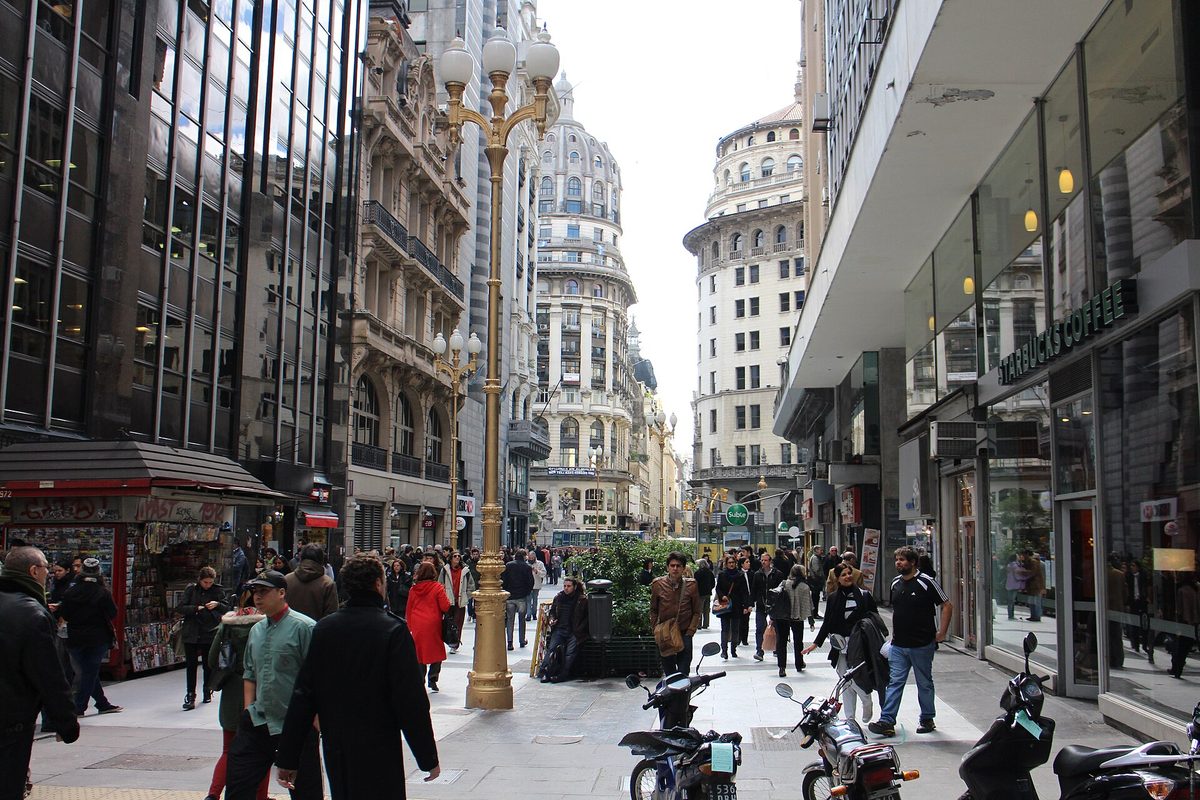
- Street scene on Avenida Roque Saenz Pena — Photo: Hermann Luyken (CC0) via Wikimedia Commons.
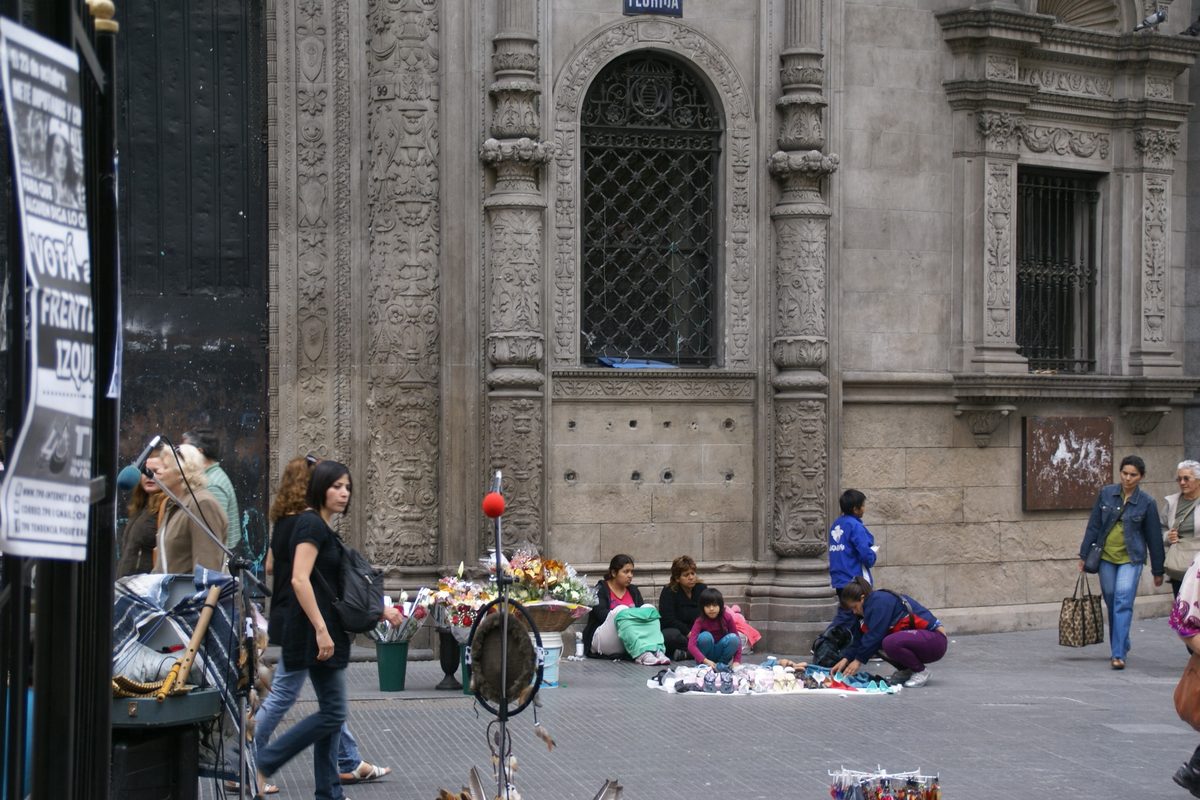
- Mercado de San Telmo — Photo: Elsapucai (Public domain) via Wikimedia Commons.
- Cafe Tortoni entrance — Photo: Unknown author (CC BY-SA 2.5) via Wikimedia Commons.
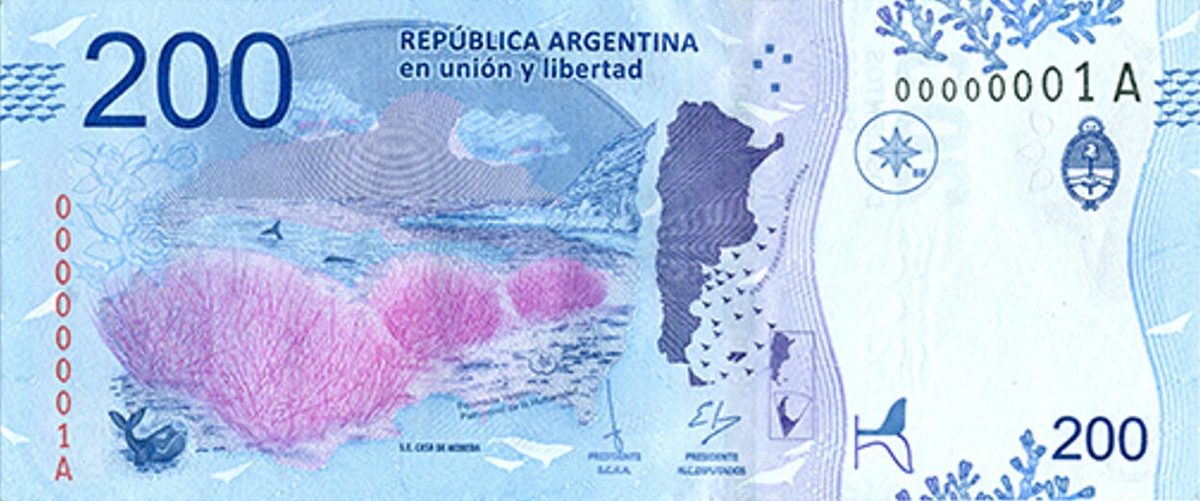
- Argentine 200-peso banknote — Image: Casa de Moneda (CC BY-SA 2.0) via Wikimedia Commons.
- Recoleta apartment buildings and park — Photo: Andrzej Otrebski (CC BY-SA 4.0) via Wikimedia Commons.