Last updated: June 2026 · Written by the Buenos Aires Tourism editorial team, who have spent slow afternoons hunting for discounted leather jackets on Murillo and chasing craft beer along Thames in this barrio.
The first time we wandered out of Palermo and crossed Avenida Cordoba into the next barrio over, we expected a let-down. Instead we found racks of half-price leather, a parrilla full of locals rather than tourists, and a football stadium wedged between apartment blocks. This is the neighbourhood that quietly does everything fashionable Palermo does, for noticeably less money.
Villa crespo buenos aires is an up-and-coming barrio just southwest of Palermo, best known for its outlet and leather shopping, a fast-growing craft-beer and dining scene, street murals, and the football club Atlanta. Many visitors treat it as a calmer, cheaper alternative to Palermo while staying within easy walking distance of it.
The barrio and the “Palermo Queens” nickname
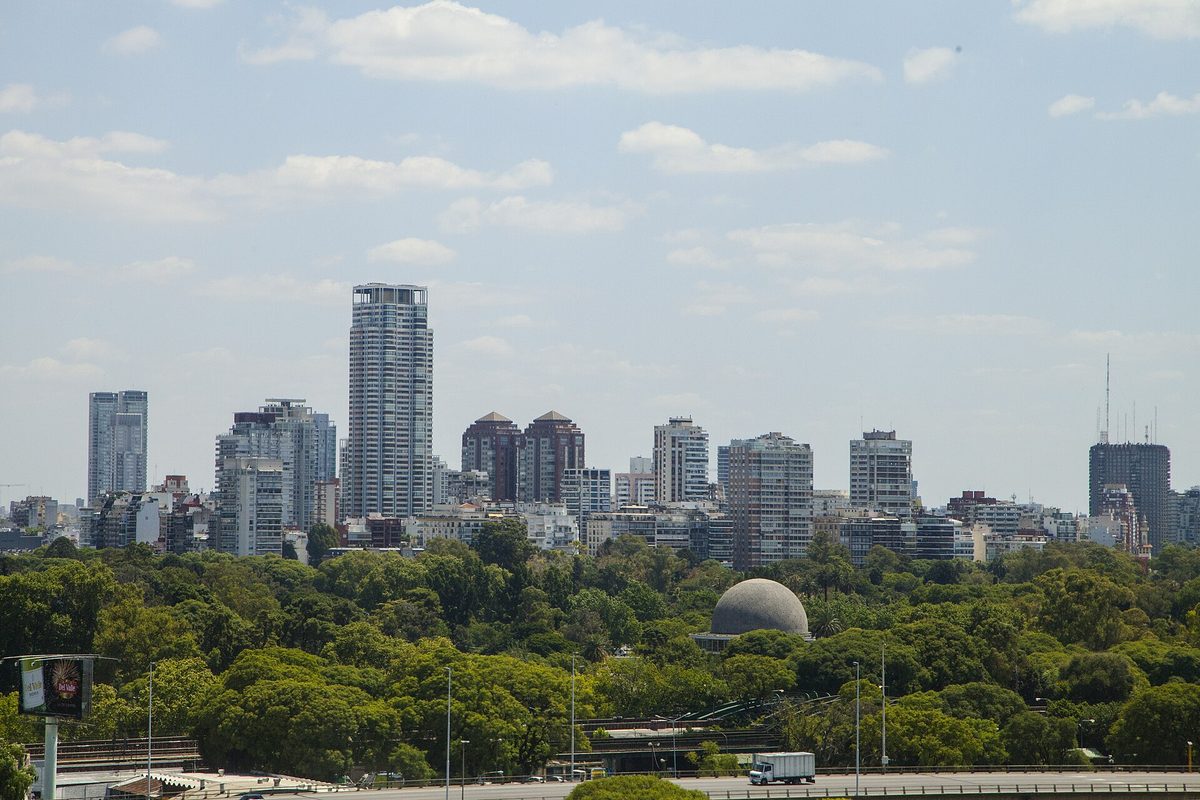
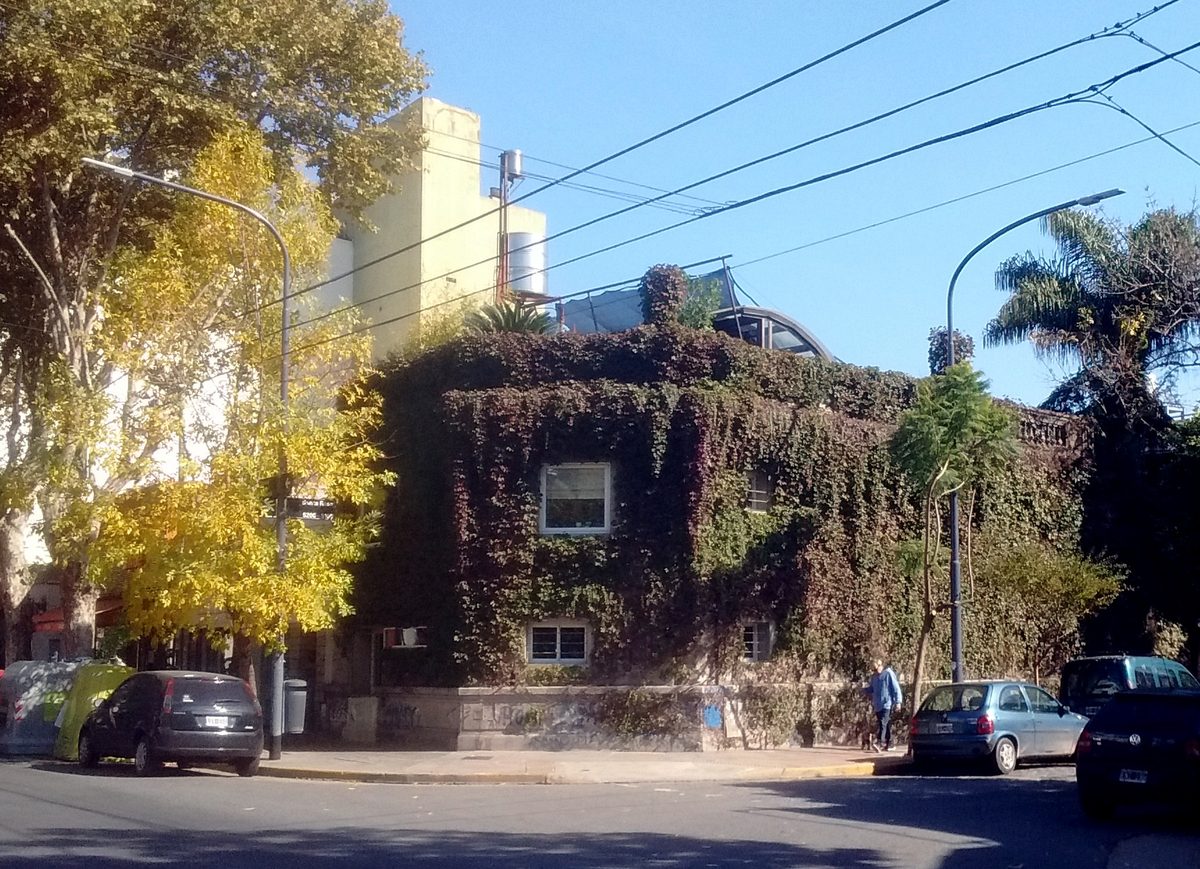
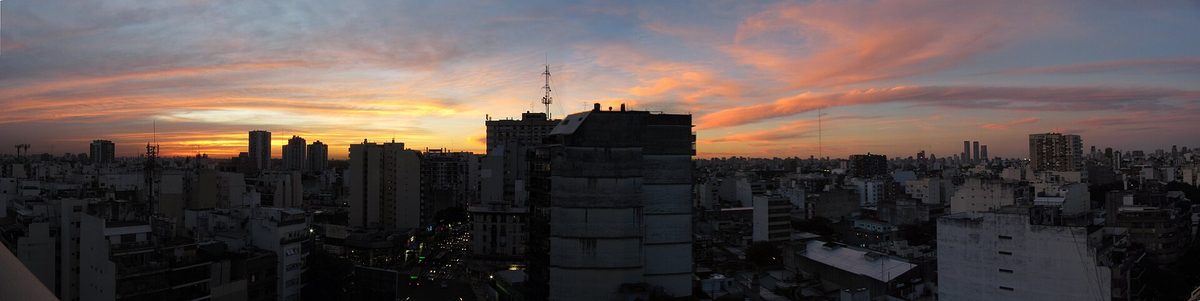
Villa Crespo sits in the geographic centre of Buenos Aires, hemmed in by Palermo to the north, Chacarita to the west, Almagro to the south and Caballito beyond. For decades it was a working-class, immigrant district known for textile workshops and shoe factories rather than nightlife. Over the past fifteen years or so, as Palermo became saturated and pricey, the overflow of bars, boutiques and young residents spilled across the border, and Villa Crespo started to feel like Palermo did a generation ago: creative and characterful, but not yet polished smooth.
That transformation is where the cheeky nickname comes from. Property developers tried to rebrand the barrio as “Palermo Queens,” casting it as an outer-borough extension of cool Palermo, much as Queens sits beside Manhattan. Residents largely rejected the label, insisting the neighbourhood is and remains Villa Crespo. The upshot for a visitor is a barrio with genuine everyday life alongside the new cafes, rather than a theme-park version of one.
Outlet and leather shopping: the real draw
If there is one reason most travellers make a beeline for Villa Crespo, it is the shopping. This is the outlet capital of Buenos Aires, and it comes in two distinct flavours: the leather stores and the brand outlets.
Leather on Murillo
Calle Murillo, especially the stretch around the 600 block, is the traditional heart of the city’s leather trade. Shop after shop sells jackets, bags, belts, wallets and even leather furniture, much of it made in nearby workshops. Among the things to do in Buenos Aires, trying on a well-cut leather jacket here is a rite of passage. Quality and prices vary widely from store to store, so it pays to walk several blocks, handle the goods, and compare before committing. Haggling is common, particularly if you pay in cash, and many shops can tailor or take in a jacket for you.
Brand outlets on Aguirre, Gurruchaga and Cordoba
The other shopping cluster is the brand-outlet zone strung along Avenida Aguirre, Gurruchaga and the Villa Crespo stretch of Avenida Cordoba, much of it straddling the Palermo border. Here, well over a hundred outlet stores sell previous-season and surplus stock from Argentine and international labels — names such as Rapsodia, Bensimon, Wanama, Prune, Ona Saez, Lacoste, Nike, Adidas and Puma turn up regularly at a discount. Stock changes constantly and there is no guarantee a given brand will be open on the day you visit, so treat it as a treasure hunt rather than a checklist.
Distrito Arcos
On the Palermo side of the railway tracks sits Distrito Arcos, a polished open-air premium outlet built inside the brick arches of old railway sheds. It gathers roughly sixty stores — sportswear, fashion, footwear and accessories — plus food stalls and cafes. It is technically in Palermo, but only a short walk from the heart of the barrio, so most people fold the two into one afternoon.
A quick word on prices: discounts in Argentina move with the peso, and what counts as a bargain shifts month to month. Treat any specific figure you read online as a rough guide, bring cash for the best deals, and check the day’s exchange rate before you assume something is cheap.
Eating and drinking: parrillas, craft beer and cafes
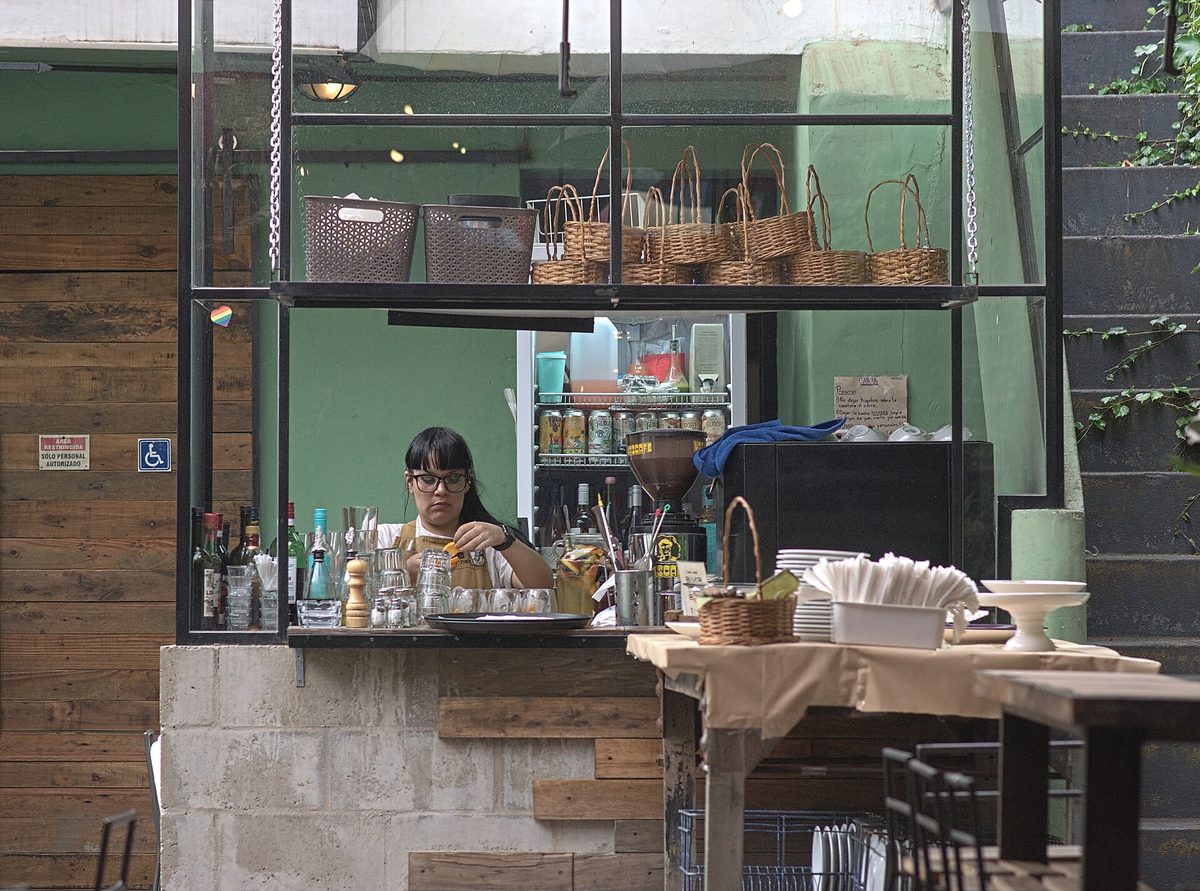
Villa Crespo has quietly become one of the city’s most interesting places to eat, which is exactly why the “new Palermo” comparisons stuck. The mix is broad: classic parrillas grilling Argentine beef over wood, a thick concentration of craft-beer bars and taprooms, specialty-coffee cafes, and a surprising spread of international kitchens — Korean, Japanese, Middle Eastern, Italian and vegetarian among them.
For a traditional meal, look for a neighbourhood parrilla full of porteno families rather than tour groups; the steak, provoleta and Malbec formula rarely disappoints. For something more current, the craft-beer scene clusters around streets like Thames and Acevedo, where small bars pour local IPAs and stouts on tap. As ever in Buenos Aires, the city eats late — dinner before 9pm marks you out as a tourist. For a wider sweep of where to eat, our guide to Buenos Aires restaurants sets the barrio in context alongside Palermo, San Telmo and the centre.
Villa Crespo versus Palermo at a glance
Trying to decide between basing yourself here or next door? This rough comparison captures the trade-offs.
| Villa Crespo | Palermo | |
|---|---|---|
| Prices (food, drink, rooms) | Generally lower | Higher, tourist premium |
| Atmosphere | Local, low-key, residential | Polished, busy, nightlife-heavy |
| Signature draw | Outlet and leather shopping | Boutiques, bars, parks |
| Crowds | Fewer tourists | Many tourists |
| Walk to the other | Roughly 10–20 minutes on foot across the border | |
Culture and heritage: Atlanta, Jewish Villa Crespo and murals
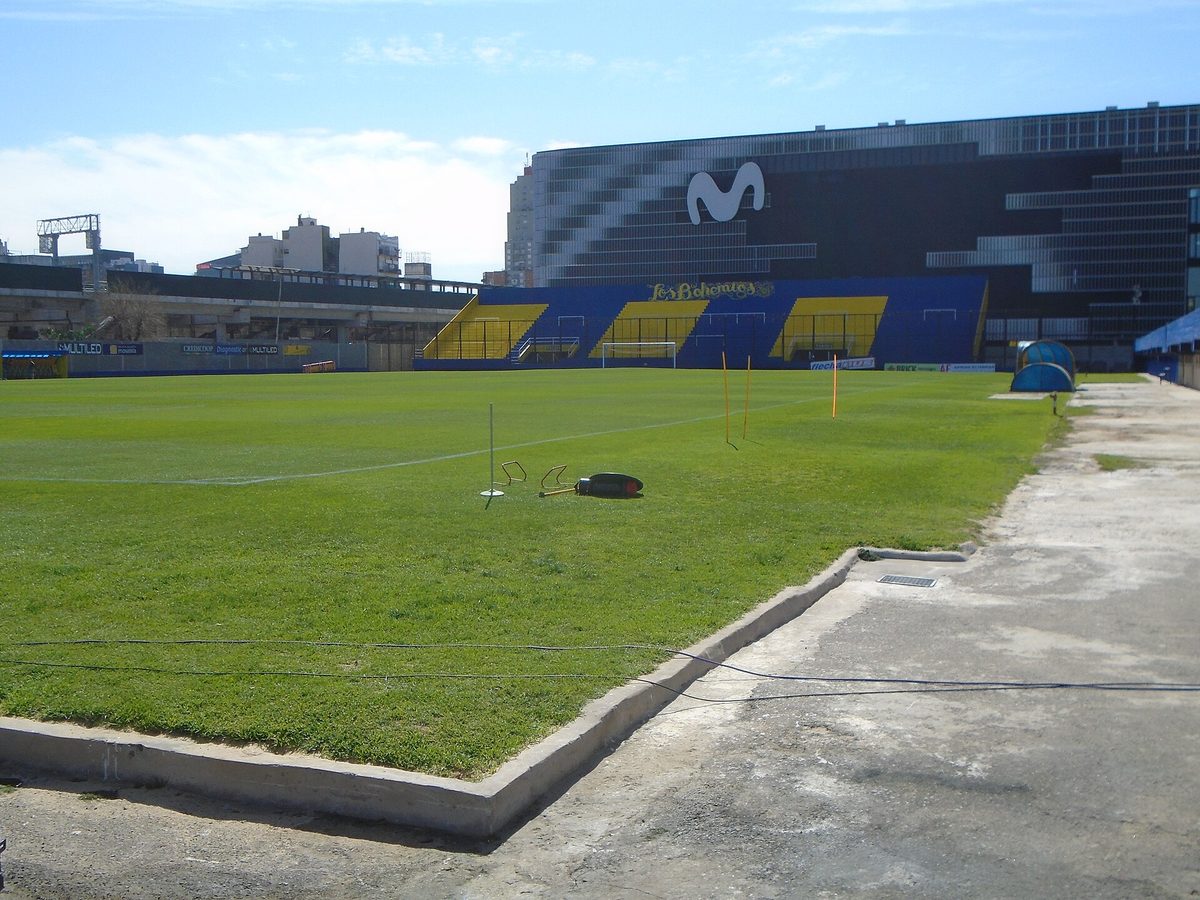
To understand Villa Crespo, it helps to know two intertwined threads of its identity: football and the Jewish community. The local club, Club Atletico Atlanta, was founded in 1904 and settled in the barrio in 1922, playing in distinctive blue and yellow. From the mid-twentieth century it became closely associated with the city’s Jewish community, with prominent Jewish fans, administrators and presidents — most notably Leon Kolbowsky, after whom the stadium is named — and earned the affectionate nickname “Los Bohemios.” For generations of Jewish Argentines, supporting Atlanta became a way of belonging. Catching a match here, amid the drums and chants of a passionate crowd, is one of the most authentic experiences in the barrio.
That heritage still shapes the streets. Villa Crespo has long been a centre of Jewish life in the city, and you will find synagogues, kosher bakeries and delis tucked among the leather shops. Alongside this older layer runs a thoroughly modern one: street art. Murals and large-scale graffiti turn many blocks into an open-air gallery, and wandering with no fixed route is the best way to find them.
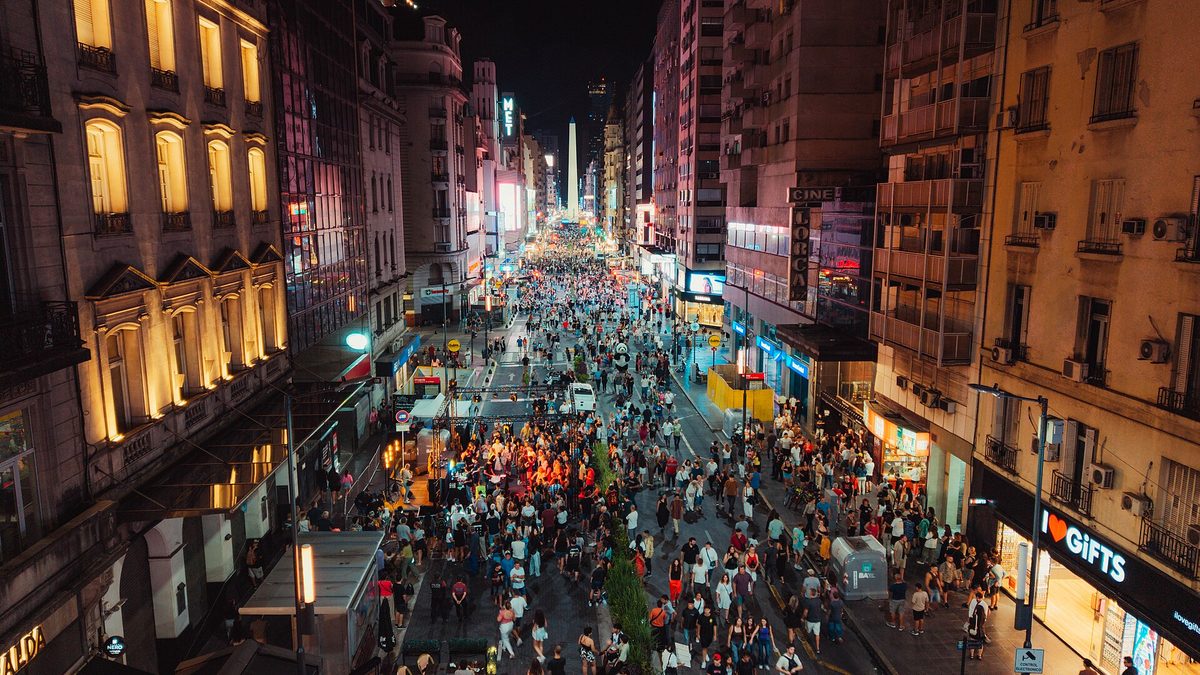
The barrio’s great spine is Avenida Corrientes, the same theatre-and-bookshop avenue that runs down to the Obelisco. Along its Villa Crespo stretch you will find traditional cafes, pizzerias, bookshops and the kind of unglamorous, deeply porteno street life that the glossier barrios have partly lost.
Where to stay
Villa Crespo has fewer big-name hotels than Palermo or the centre, leaning instead toward boutique guesthouses, serviced apartments and short-term rentals. That suits the barrio’s character: you get a residential, lived-in base, often at lower nightly rates than next door, while remaining a short walk or one Subte stop from Palermo’s restaurants and parks. If you would rather compare the city’s neighbourhoods before booking, see our overview of where to stay in Buenos Aires. For travellers who prize value and a local feel over five-star polish, basing yourself here is an easy recommendation.
Getting there and around
Villa Crespo is exceptionally well connected. The Subte Line B (the yellow line) runs beneath Avenida Corrientes, with stations at Malabia, Angel Gallardo and Tronador putting you a fast, direct ride from downtown — one reason commuters and shoppers love it. Numerous colectivo bus routes thread along the main avenues, and ride-hailing apps work well late at night. Inside the barrio, walking is by far the best option: the shops, cafes and murals sit close together on an easy, flat grid. If you are arriving from another barrio, our guide to the neighbourhoods of Buenos Aires shows how Villa Crespo links to the rest of the city.
A cheaper Palermo alternative: who it suits
So who should choose Villa Crespo over its famous neighbour? In short, value-minded travellers and repeat visitors. Because it sits roughly fifteen to twenty percent below Palermo on many costs while sharing the same cafe culture, nightlife and walkability, it rewards anyone who would rather spend on experiences than on a postcode. It suits shoppers above all, and anyone who has already “done” Palermo and wants somewhere with more everyday texture and fewer tourists. If your priorities are landmark sights, riverside parks or a buzzy first-timer’s introduction to the city, Palermo, Recoleta or the centre may serve you better — and you can always pop over for the day. Compare it with neighbouring barrios such as Palermo, up-and-coming Chacarita, leafy Belgrano, and the historic core around Microcentro to find your best fit.
Practical tips
- Bring cash in pesos for the leather shops and outlets — cash often unlocks the best price, and exchange rates shift constantly.
- Shop on a weekday if you can; some outlets keep limited or irregular weekend hours, and stock turns over fast.
- Walk several blocks and compare before buying leather; quality and price vary enormously store to store.
- Eat late and book ahead for popular parrillas and craft-beer spots on Friday and Saturday nights.
- Use the Subte B for downtown trips and your feet for everything inside the barrio.
- Treat any quoted price or opening hour as provisional — both move quickly in Buenos Aires, so confirm locally.
Frequently asked questions
Is Villa Crespo safe for tourists?
Villa Crespo is generally considered a safe, residential barrio by Buenos Aires standards, busy with shoppers and diners by day and evening. As anywhere in a big city, stay alert on quieter streets late at night, keep phones and bags close on the Subte, and use ride-hailing apps after dark. Everyday caution is enough for most visitors.
What is Villa Crespo known for?
Above all, shopping: it is the outlet and leather-goods capital of Buenos Aires, with leather stores on Murillo and brand outlets around Aguirre and Cordoba. Beyond the shops, it is known for its craft-beer and dining scene, street murals, the football club Atlanta, and a strong Jewish heritage. Many visitors also know it simply as a cheaper, more local alternative to Palermo next door.
How do I get from Palermo to Villa Crespo?
It is easy — the two barrios share a border. Depending on where you start, it is roughly a ten to twenty minute walk across Avenida Cordoba or the railway line, which is how most people do it. You can also take the Subte Line B, a colectivo bus, or a short ride-hailing trip. Many travellers fold a Villa Crespo shopping run into a single Palermo afternoon.
Is Villa Crespo cheaper than Palermo?
Generally, yes. While prices vary and the peso moves constantly, Villa Crespo tends to sit below Palermo on accommodation, food and drink — often by around fifteen to twenty percent — despite sharing much of the same cafe and nightlife culture. That value, plus the outlets, is why budget-conscious travellers base themselves here.
When is the best time to visit Villa Crespo?
A weekday afternoon is ideal for shopping, when outlets and leather stores are reliably open and stock is fresh. Spring (October to November) and autumn (March to April) offer the most comfortable weather for walking. For nightlife and craft beer, Thursday through Saturday evenings are liveliest — and busiest, so book ahead.
Final thoughts
Villa Crespo is the kind of barrio that rewards curiosity rather than a checklist. There is no single must-see monument; the pleasure is in the half-price leather jacket you did not expect to buy, the parrilla full of locals, the mural around the corner, and the roar from Atlanta’s stadium on a match day. For travellers who want Palermo’s energy without its price tag or polish, it is one of the smartest bases in the city. To see how it fits among the rest of the city’s barrios — and to plan a route that links it with Palermo, Chacarita and beyond — explore our complete Buenos Aires neighbourhoods guide.