Last updated: June 2026 · Written by the Buenos Aires Tourism editorial team
The first time I tried to “do” Buenos Aires in a long weekend, I left feeling like I’d skimmed the menu without tasting anything. The second time, I gave it four days — and it clicked. That’s the case I want to make here.
How many days in Buenos Aires do you need? For a first visit, 4 days in Buenos Aires is the sweet spot: enough to cover the historic centre, San Telmo, Recoleta, Palermo, La Boca and Puerto Madero, catch a tango night, and still keep a flex day for Tigre — without the forced-march pace of a 2–3 day blitz. Three days is the realistic minimum; five is a luxury, not a requirement.
How many days do you need in Buenos Aires?
Short answer: 3–4 days is the realistic sweet spot for a first trip, and 4 is my pick. Here’s how the lengths compare.
| Length | What you realistically see | Best for |
|---|---|---|
| 1 day | Plaza de Mayo, a fast San Telmo loop, one big meal | Layovers — our one day in Buenos Aires itinerary |
| 2 days | Historic centre, a barrio or two, a tango show | A weekend — our 2 days in Buenos Aires plan |
| 3 days | The classic highlights: centre, San Telmo, Recoleta, Palermo, La Boca | Busy first-timers — the classic three-day route |
| 4 days ✓ | All of the above at a humane pace plus a flex day | The ideal first visit — this guide |
| 5+ days | Day trips to Colonia or an estancia, deeper museums | Slow travellers — the 5 days in Buenos Aires itinerary |
If you only have two or three days, don’t despair — you’ll still have a brilliant trip; you’ll just move faster and skip the flex day. For the big-picture view of how all these routes fit together, see our complete Buenos Aires itinerary guide. Here’s the four-day plan in brief: Day 1 the historic centre and San Telmo; Day 2 Recoleta and Palermo; Day 3 La Boca, Puerto Madero and tango; Day 4 a flex day for Tigre, museums, or an extra barrio. Now the detail.
How to use this 4 days in Buenos Aires plan
Treat this as a skeleton, not a stopwatch. Buenos Aires runs late — lunch at 2pm, dinner from 9pm, nightlife after midnight — so each day is built around a relaxed start, a long lunch, and an evening that drifts. Two rules matter most. Plan around Sunday: if any day lands on a Sunday, point it at San Telmo for the Feria de San Telmo antiques market along Defensa and Plaza Dorrego’s open-air tango — the best free thing the city does all week. And mind Mondays, when many museums (including MALBA) close, so slot your culture-heavy day around them.
Day 1: The Historic Centre & San Telmo
Start where the city itself started: day one grounds you in the colonial-and-Belle-Époque core, then drops south into San Telmo, the oldest and most atmospheric barrio.
Morning: Plaza de Mayo & the Microcentro
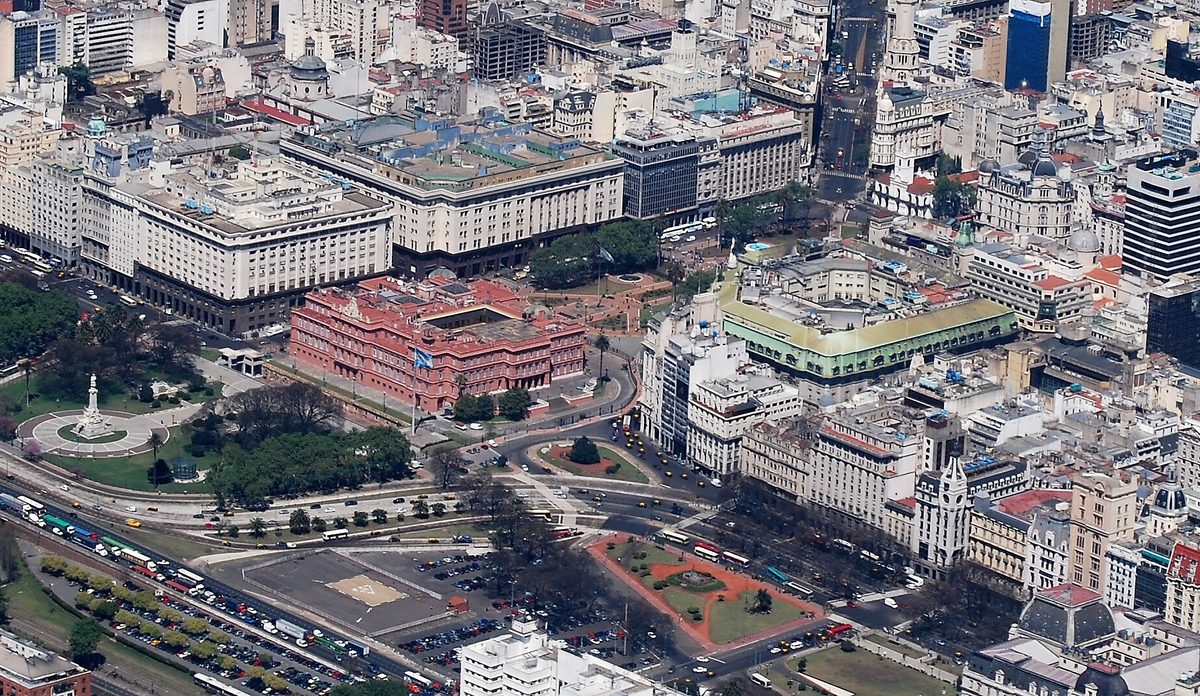
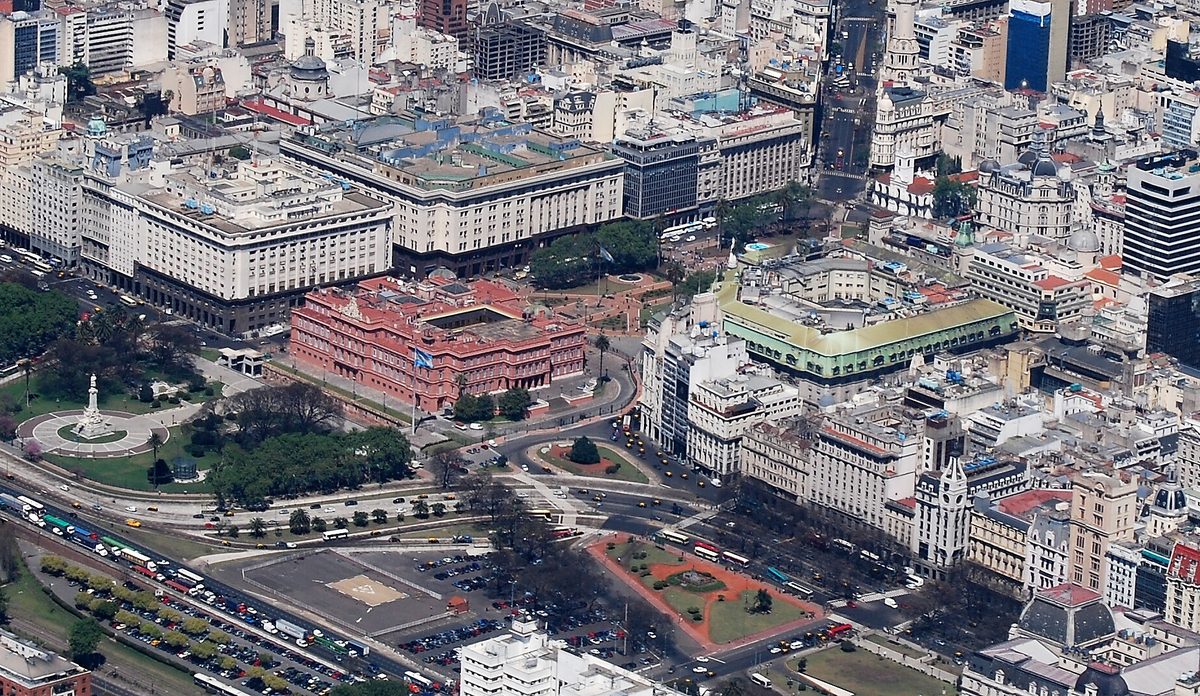
Begin at Plaza de Mayo, the political heart of Argentina for two centuries. The pink Casa Rosada (the presidential palace, with Evita’s famous balcony) sits on one side; the Metropolitan Cathedral — resting place of independence hero General San Martín — and the colonial Cabildo frame the square. Look down for the white headscarves painted into the paving, a memorial to the Madres de Plaza de Mayo.
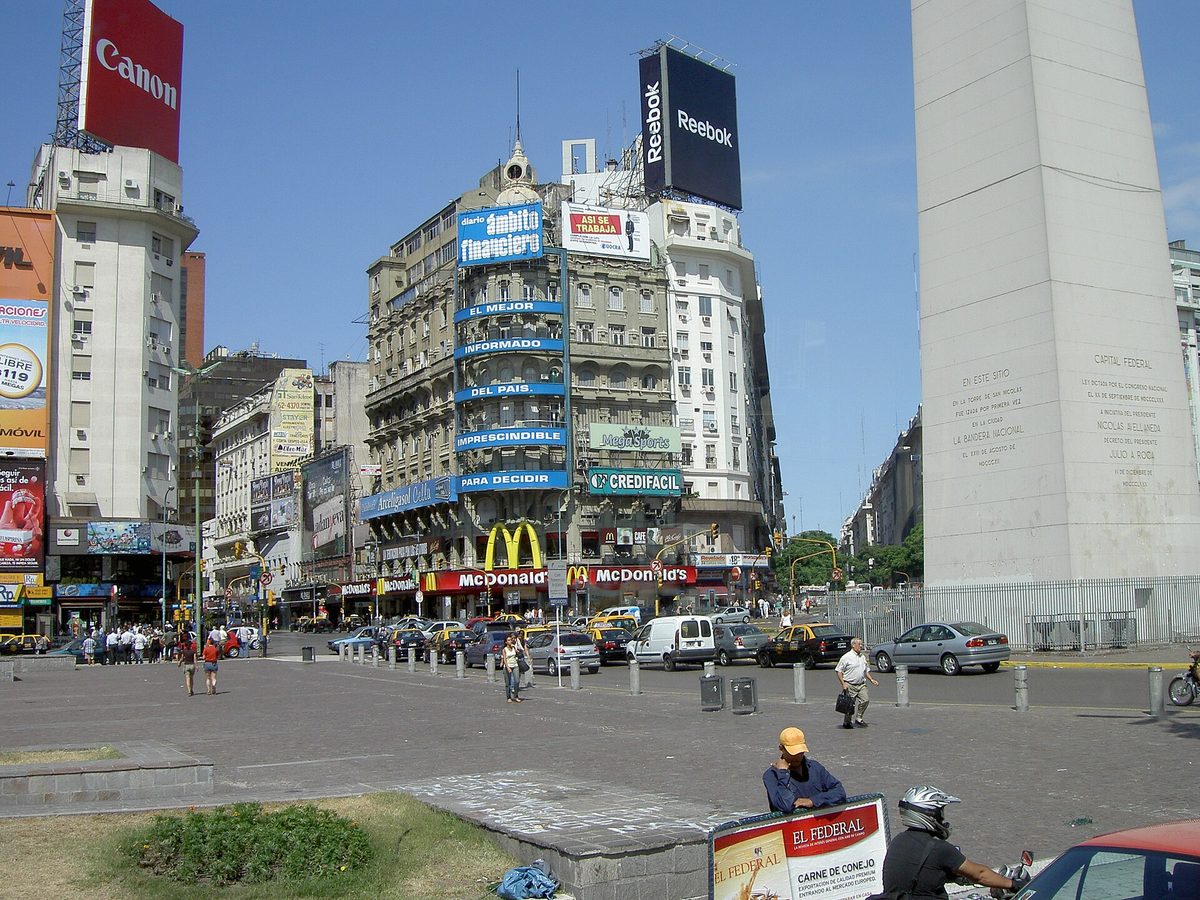
Walk west along leafy Avenida de Mayo, an avenue of Art Nouveau facades, to the soaring Palacio Barolo. You’ll hit Avenida 9 de Julio — one of the world’s widest avenues — with the Obelisco dead centre. If you can squeeze it in, a 50-minute guided tour of the opulent Teatro Colón opera house is one of the best hours you’ll spend downtown.
Afternoon: lunch + San Telmo’s cobbles
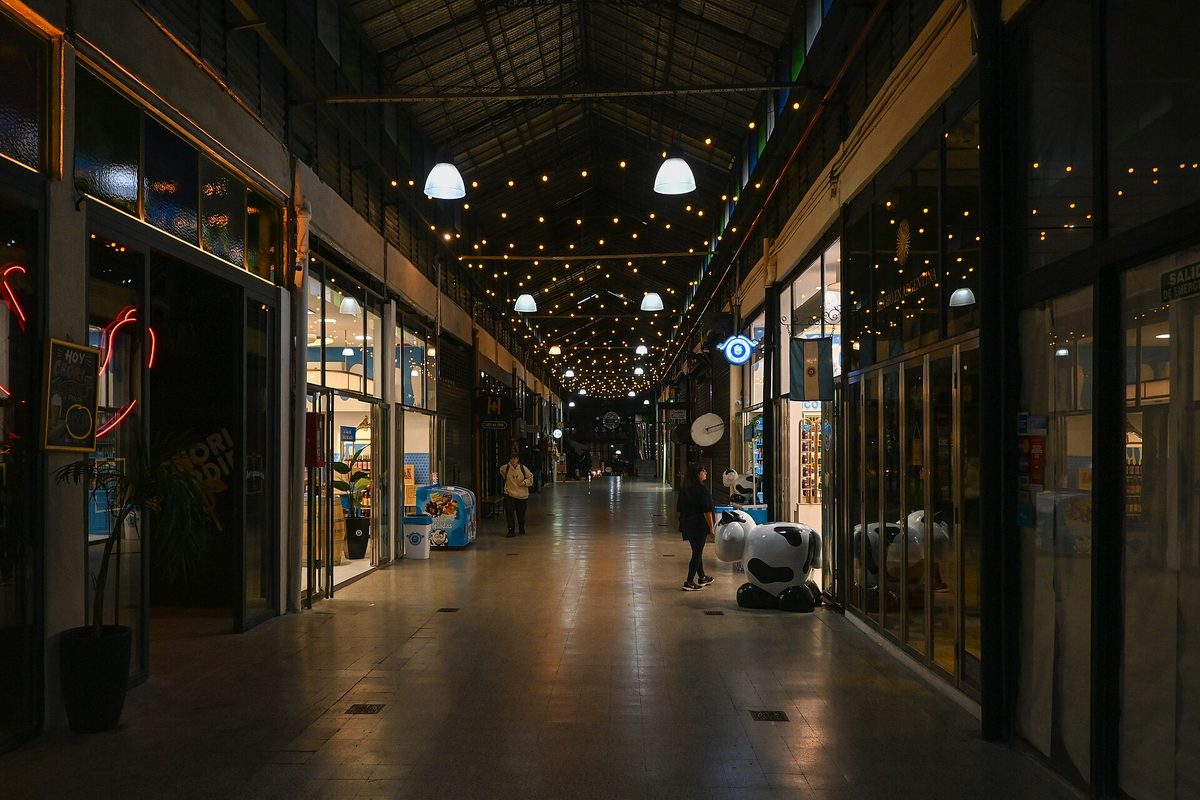
Break for a long lunch at Café Tortoni on Avenida de Mayo — touristy, but the 1858 interior is a genuine institution (expect a queue, or just come for coffee and medialunas). Then head south into San Telmo: the Buenos Aires of the postcards, all cracked cobblestones, faded mansions, antique shops and tango spilling out of doorways. Wander Calle Defensa to Plaza Dorrego — a sleepy square of café tables on weekdays, a heaving market on Sunday — and duck into the Mercado de San Telmo, a wrought-iron 1897 hall, for a coffee or a choripán.
History buffs should book the 60-minute tour of El Zanjón de Granados on Defensa — a restored 1830s mansion atop a labyrinth of old tunnels, and the best single window into the city’s layered past. Our San Telmo neighbourhood guide has the full rundown.
Evening
Stay in San Telmo for dinner — the parrillas here are excellent and unpretentious. Order a bife de chorizo and a glass of Malbec, and ease into the BA dinner rhythm. If you’ve got energy, an early milonga (social tango dance) is a gentler, more local intro than a big show; we cover the options in our guide to tango in Buenos Aires.
Day 2: Recoleta & Palermo
Day two is the city’s elegant, leafy side — aristocratic Recoleta in the morning, sprawling Palermo in the afternoon. It’s a lot of ground, but the subte (Line D) links them in minutes.
Morning: Recoleta
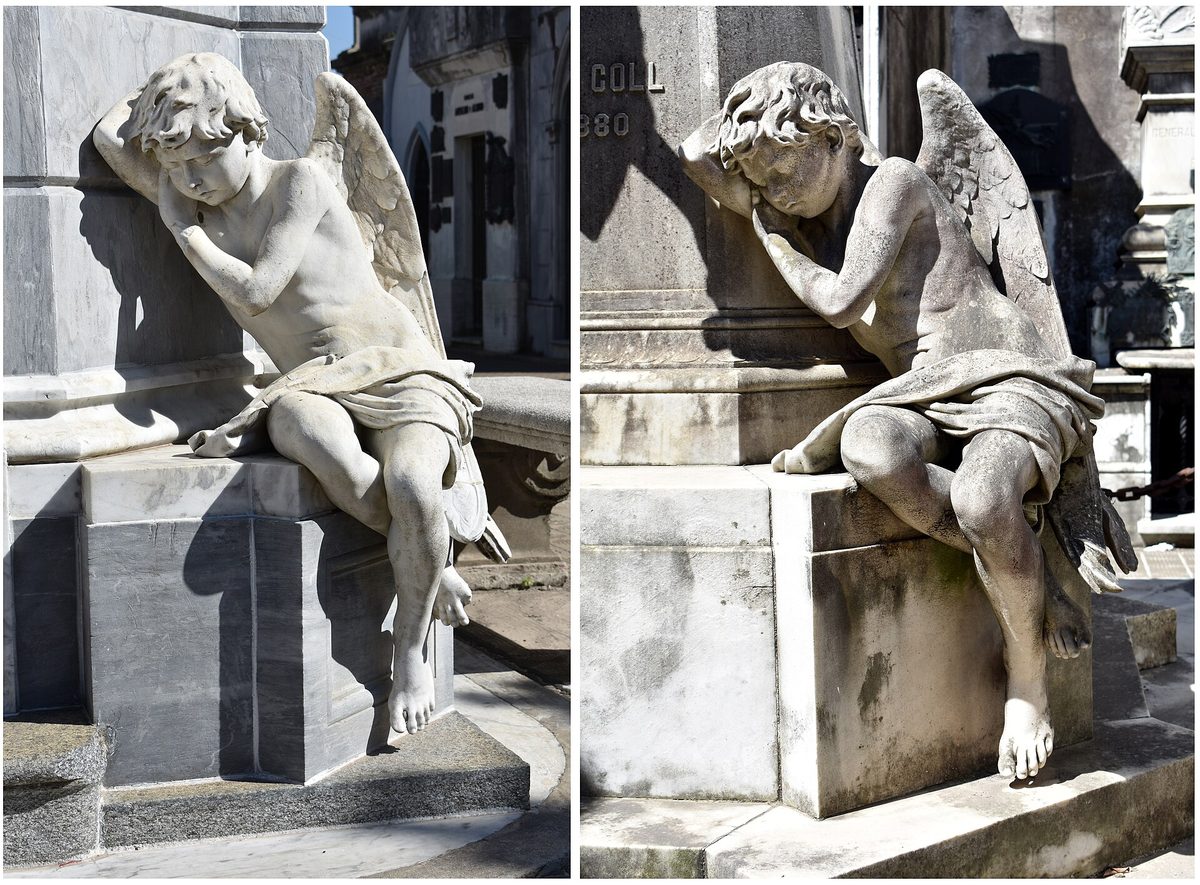
Go straight to the Recoleta Cemetery when it opens, before the heat and crowds. It’s not morbid — it’s an open-air city of marble mausoleums and Art Deco crypts packed four blocks deep, with Eva Perón’s modest family tomb among the draws (use the map at the gate). Afterwards the Recoleta district rewards a wander: the Centro Cultural Recoleta, the weekend craft fair on the lawns, and the free, excellent Museo Nacional de Bellas Artes nearby.
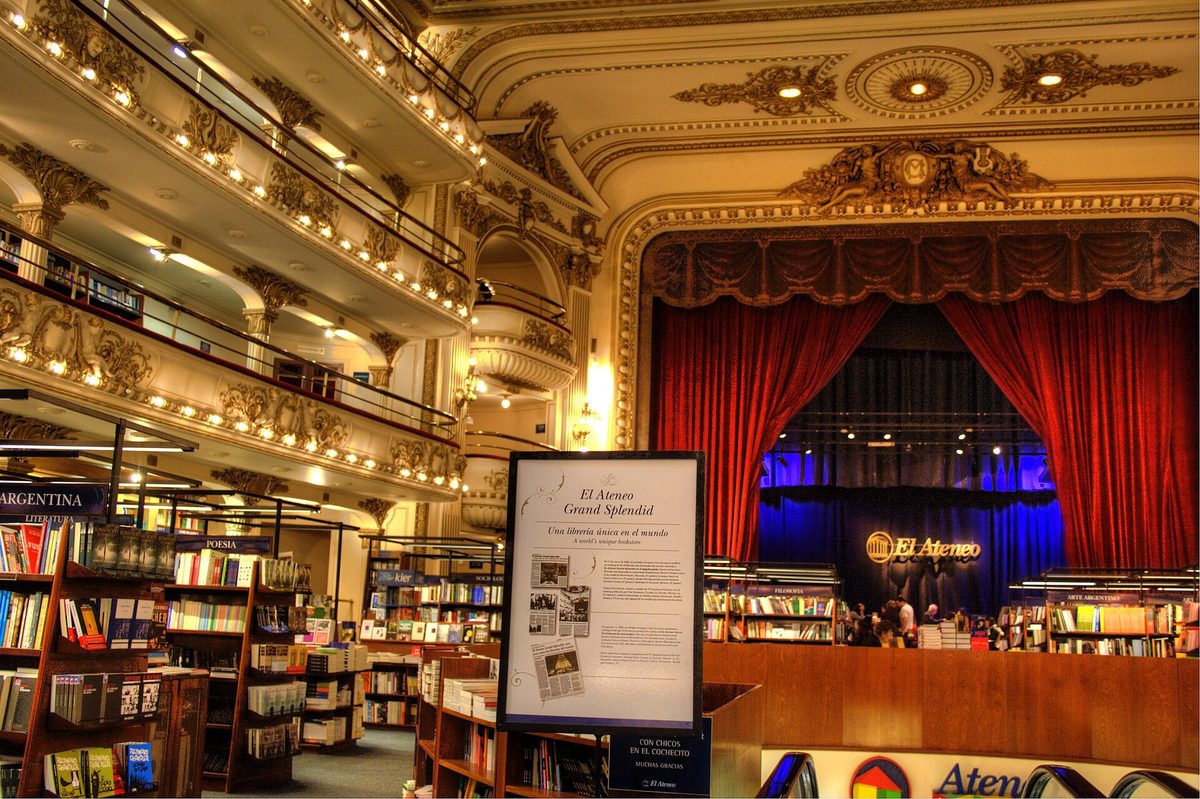
A few blocks on sits a sight that always over-delivers: El Ateneo Grand Splendid, a 1919 theatre reborn as a bookshop, with the stage now a café and the frescoed ceiling still intact. It’s regularly called one of the world’s most beautiful bookstores, and entry is free.
Afternoon: Palermo
Subte over to Palermo, the city’s biggest and most fashionable barrio. Palermo Soho is its heart — low-rise streets of boutiques, leafy Plaza Serrano, specialty coffee and some of the best street art in the city. Art lovers should prioritise MALBA (the Latin American art museum, closed Mondays), home to Frida Kahlo, Botero and a stellar collection. In good weather, the Bosques de Palermo parklands, the Rosedal rose garden and the Japanese Garden make a lovely slow afternoon. Our Palermo neighbourhood guide goes deeper on where to eat and shop.
Evening
Palermo — especially livelier Palermo Hollywood — is where the city eats and drinks best. Book a standout parrilla or one of BA’s celebrated new-wave restaurants, then a speakeasy-style cocktail bar afterwards. Reserve ahead; the good tables go fast.
Day 3: La Boca, Puerto Madero & Tango
Day three swings from the city’s most colourful working-class barrio to its glossiest waterfront, and ends with the night you came for.
Morning: La Boca & Caminito
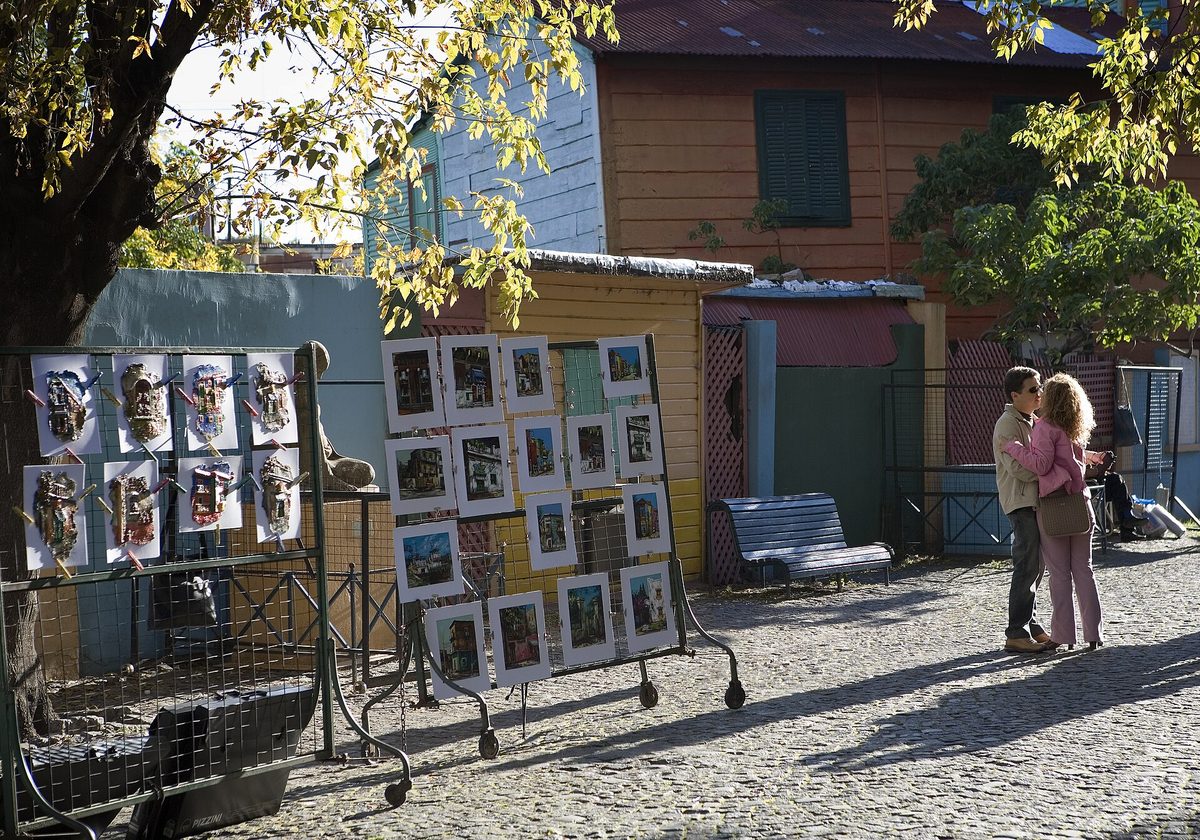
Head down to La Boca, the old port barrio where Italian immigrants painted their tin-sheet houses in leftover ship paint. The pedestrian street Caminito is a riot of colour, with tango dancers, street artists and the hulking La Bombonera stadium of Boca Juniors a few blocks away (a stadium tour is a must for football fans — see our La Boca neighbourhood guide). One honest caveat: the touristy core is small and the surrounds can be sketchy, so stick to the marked streets, go in daylight, and don’t linger after dark.
Afternoon: Puerto Madero & the Ecological Reserve
From La Boca, make your way to Puerto Madero, the redeveloped docklands of glassy towers, converted brick warehouses and Calatrava’s white Puente de la Mujer footbridge — the most polished corner of the city and an easy, flat, safe stroll for lunch by the water. Tucked behind it is the Reserva Ecológica Costanera Sur: 350 hectares of free wetland trails, birdlife and Rio de la Plata views, and a genuine lungful of calm. Bring water and a hat.
Evening: a proper tango night
This is the night for tango. You’ve got two routes: a polished dinner-and-show at a classic house like Café de los Angelitos or El Querandí (book ahead), or a more authentic milonga where locals actually dance. Either way it’s the cultural high point of the trip — our tango guide lays out the best of both. Tip the street performers earlier in the day; pay for the real thing at night.
Day 4: Your Flex Day — Three Ways
The fourth day is what makes four days better than three. You’ve seen the headline barrios; now choose the day that fits your trip. Here are the three I’d actually recommend.
Option A: Tigre & the Paraná Delta (a half-day escape)
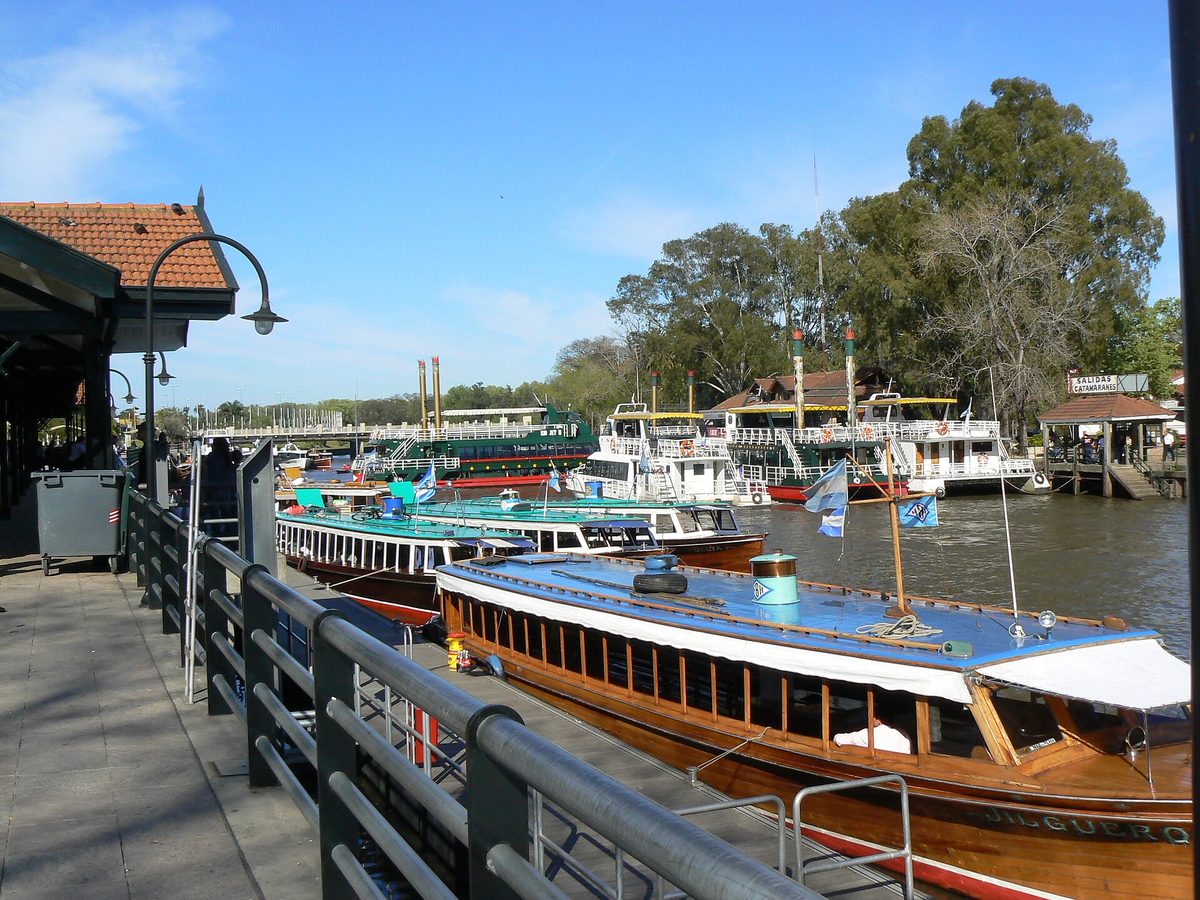
The easiest and most rewarding day trip. Tigre sits about an hour north by the Mitre train (cheap, on your SUBE card) or the scenic Tren de la Costa. From the riverfront you board a lancha colectiva (commuter boat) and glide into the Paraná Delta — a maze of brown channels, stilt houses and jungly islands where locals live water-bound lives. Have lunch on a riverside deck, visit the art museum in the old casino, and you’re back by evening — four to six hours door to door. For more, see our day trips from Buenos Aires guide.
Option B: A slow museum-and-café day
Prefer to stay in town and decompress? Pair a major museum you skipped — MALBA or the Museo Nacional de Bellas Artes — with a long lunch and an afternoon café-hopping through the city’s cafés notables, protected historic cafés like Las Violetas in Almagro or El Gato Negro downtown. It’s the most “lived-in” way to spend a day here. Pad it out with whatever you loved most on Days 1–3.
Option C: An extra barrio — Chacarita or Villa Crespo
For the city beyond the postcards, spend day four in the barrios locals rate. Chacarita has a vast, atmospheric cemetery (Carlos Gardel is here), tree-lined streets and a buzzy young food-and-bar scene. Neighbouring Villa Crespo is the outlet-shopping and craft-beer barrio, with the Mercado de las Pulgas flea market nearby — a relaxed, market-driven, un-touristy day and a great counterweight to Caminito.
Where to stay, getting around & money
Where to base yourself. For a four-day first visit I’d stay in Palermo (Soho or Hollywood) for cafés, safety and walkability, or Recoleta for elegance and a central location. San Telmo suits those who want atmosphere and budget over polish. All three sit a short subte or taxi ride from everything in this plan — our full accommodation guide breaks down the trade-offs by barrio.
Getting around. Buy a SUBE card at any subte station or kiosk and load it with credit — it works on the subway (Subte), buses (colectivos) and the Tigre train. The Subte is fastest across the centre; taxis and apps like Cabify are cheap and plentiful; and walking, barrio by barrio, is the real joy. The Cómo Llego app handles routing.
Money, briefly. Argentina’s economy moves fast, so treat any figure as rough and check current rates before you go. As of 2026, cards are widely accepted and the once-essential parallel “blue dollar” gap has narrowed sharply, so the old cash-only advice is fading — but carry some pesos for markets, small cafés and the odd taxi. A mid-range day (hotel, two meals out, transport, a museum or show) commonly runs around USD 90–150 per person; budget travellers can do it for far less. Our things to do in Buenos Aires guide has more on prices and free options, and the Buenos Aires itinerary hub covers other trip lengths.
Frequently asked questions
Is 4 days enough for Buenos Aires?
Yes — for a first visit, four days is the sweet spot. It covers the historic centre, San Telmo, Recoleta, Palermo, La Boca and Puerto Madero at a comfortable pace, plus a tango night and a flexible fourth day for Tigre. You won’t see everything, but you’ll leave feeling you knew the place rather than skimmed it.
How many days in Buenos Aires is ideal?
Three to four days is the realistic sweet spot, and four is my pick. Three covers the essential highlights if you move briskly; four adds breathing room and a day trip. Five or more is lovely if you have it — add Colonia in Uruguay or an estancia — but it isn’t necessary to enjoy the city.
What’s the best order to see Buenos Aires in 4 days?
Group by geography to cut travel time: historic centre and San Telmo (Day 1), Recoleta and Palermo (Day 2), La Boca with Puerto Madero (Day 3), saving the flex day for last. The one fixed rule: steer a Sunday toward San Telmo for its famous market, and avoid museum-heavy plans on a Monday when many close.
Is Buenos Aires safe for tourists?
Broadly yes, with normal big-city caution. Petty theft — phone-snatching and pickpocketing — is the main risk, concentrated in tourist spots like La Boca and San Telmo and on crowded transport. Keep your phone out of sight, use registered taxis or apps at night, and stick to the marked tourist streets in La Boca in daylight. Palermo and Recoleta feel comfortable to walk in the evening.
When is the best time to visit Buenos Aires?
Spring (September–November) and autumn (March–May) are ideal: mild temperatures and fewer extremes than the humid summer or grey winter. Our seasonal guide has the month-by-month detail.
Final thoughts
Four days in Buenos Aires won’t exhaust the city — nothing short of moving here will — but it hits the rare balance of enough: enough to feel each barrio’s character, eat properly, see a real tango night, and still escape to the Delta or wander a market with no agenda. If you’ve got three days, compress; if you’ve got five, slow down. But give Buenos Aires four and you’ll understand why people keep coming back. For other routes, start with our complete Buenos Aires itinerary.
Photo credits
- Plaza de Mayo & Casa Rosada (aerial) — Photo: Pavel Špindler / CC BY 3.0, via Wikimedia Commons.
- Caminito, La Boca — Photo: Jorge Royan / CC BY-SA 3.0, via Wikimedia Commons.
- Recoleta Cemetery angel sculptures — Photo: Seauton / CC BY-SA 4.0, via Wikimedia Commons.
- El Ateneo Grand Splendid — Photo: HalloweenHJB / CC BY-SA 3.0, via Wikimedia Commons.
- Tigre & the Paraná Delta — Photo: Loctus31 / Public domain, via Wikimedia Commons.
1 comment