Last updated: June 2026 · Written by the Buenos Aires Tourism editorial team, who have left lit cigarettes at Gardel’s tomb and haggled over a 1950s lamp at the Mercado de las Pulgas.
Chacarita used to be the barrio you passed through — defined by its enormous cemetery and busy train terminus. Lately that has flipped: specialty-coffee bars, natural-wine rooms and design studios have spilled over from Palermo Hollywood into its low-rise streets, while quieter Colegiales next door draws antique-hunters. It is the corner of the city I now send curious travellers toward.
The chacarita buenos aires neighborhood is a formerly overlooked, now genuinely hip barrio in the city’s centre-west, best known for the vast Cementerio de la Chacarita (home to Carlos Gardel’s tomb), a booming café and wine scene, and the antiques market of neighbouring Colegiales. It is leafy, low-key and refreshingly untouristy.
For the full lay of the land and how these two barrios fit beside Palermo, Belgrano and the rest, start with our complete guide to Buenos Aires neighborhoods. Below I walk you through why these barrios are rising, the cemetery and the Gardel pilgrimage, the coffee-and-wine scene, the Mercado de las Pulgas, design and nightlife, where to stay, and how to get here.

The barrios and why they are rising
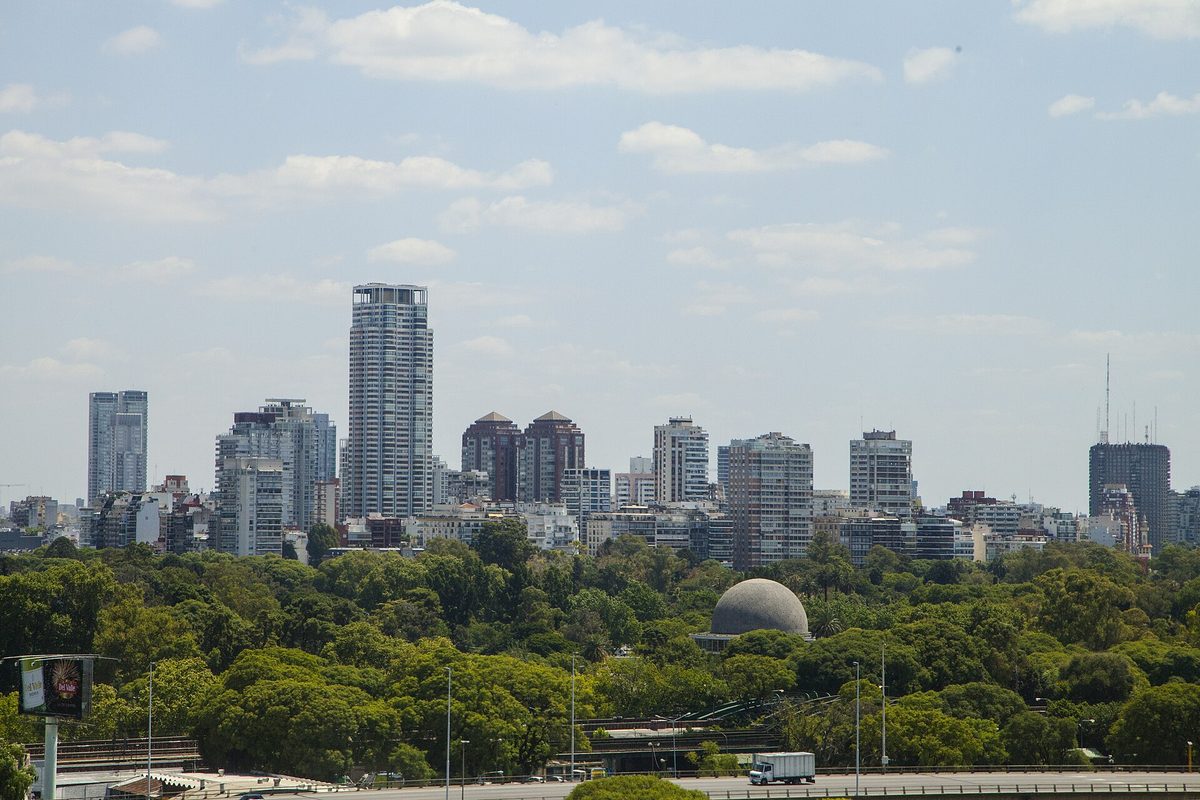
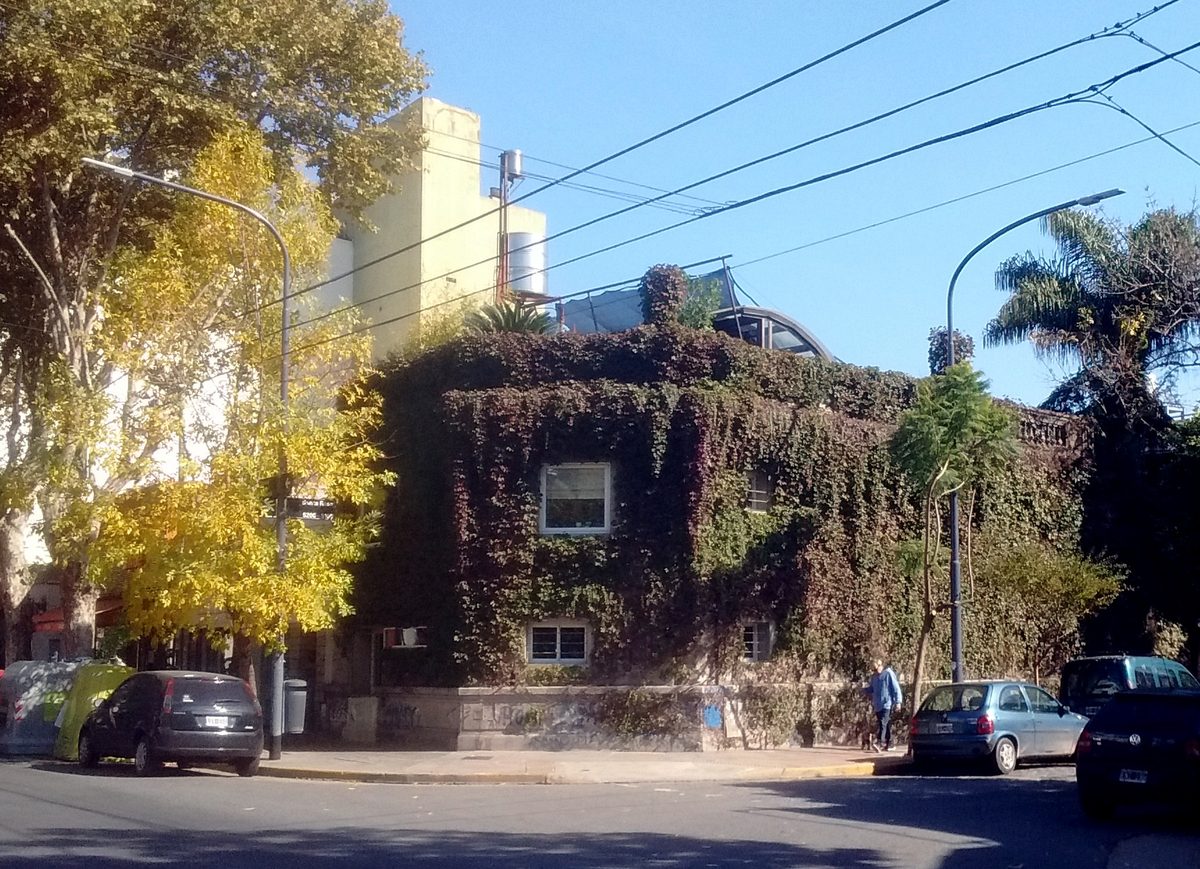
Chacarita and Colegiales sit side by side in the centre-west of Buenos Aires, wedged between Palermo to the east and Villa Crespo and Villa Ortuzar to the south and west. They are small, flat and walkable, with leafy, low-rise streets of two- and three-storey houses that feel a world away from the high-rises of the centre. The two share a history as well as a border: the name Chacarita comes from chacarita de los colegiales, “the little farm of the students,” a Jesuit estate where pupils once spent their summers — which is also where Colegiales gets its name.
For most of the twentieth century this was solidly working- and middle-class territory, better known for its cemetery and railway than anything fashionable. What changed it was geography and economics: as Palermo Hollywood’s rents climbed, the cafes, restaurants and studios priced out of it drifted a few blocks west into Chacarita’s cheaper, prettier streets. The result is a barrio that now ticks all the boxes Palermo Soho once owned — cafes de especialidad, natural wine, independent design — but calmer, more local and far less touristy. You will see Chacarita turning up on “coolest neighbourhood” lists, which is usually the cue to visit before the crowds catch up.
Colegiales, just across the railway tracks, is the gentler half of the pair: a quiet, residential barrio of cobbled streets, corner cafes and a low-key community vibe, anchored by its big antiques market. Together they make an easy, rewarding half- or full-day on foot, and they pair naturally with neighbouring Palermo if you want to stitch a longer walk together.
Cementerio de la Chacarita and the Gardel pilgrimage
The barrio’s defining landmark is the Cementerio de la Chacarita, the largest cemetery in Buenos Aires at around 95 hectares — many times the size of the more famous Recoleta. It was created in the 1870s after a yellow-fever epidemic overwhelmed the city’s existing burial grounds, and it grew into a vast city of the dead, with grand avenues of mausoleums, a domed central pantheon and sunken galleries of niches. Entry is free, and a slow wander among its tree-lined “streets” is one of the most atmospheric and least touristy things you can do in the city.
Carlos Gardel’s tomb
Most first-time visitors come for Carlos Gardel, the legendary tango singer whose 1935 death in a plane crash made him an enduring icon. His mausoleum, topped by a life-sized bronze statue of the man himself in a suit, is the most visited tomb in the cemetery and a genuine pilgrimage site. The statue is studded with plaques left by tango clubs worldwide, and devotees famously slip a lit cigarette between the fingers of his bronze hand — a tradition that peaks every June and December around the anniversaries of his birth and death. Gardel is not alone: the cemetery also holds tango greats such as Aníbal Troilo and Osvaldo Pugliese, the painter Benito Quinquela Martín and rock pioneer Pappo. For the wider story of the music and where to hear it live, see our guide to tango in Buenos Aires.

The coffee, wine and food scene
If the cemetery is why people first come, the food and drink is increasingly why they stay. Chacarita is now one of the city’s most exciting eating-and-drinking barrios, with the best of it concentrated around Calle Jorge Newbery, Avenida Dorrego and the streets near the cemetery. The scene leans young, independent and unflashy — exactly the qualities that draw porteños out west.
For coffee, this is firmly café de especialidad country: small-batch roasters and minimalist espresso bars where a flat white and a slice of homemade cake are the order of the day. The natural-wine scene is just as strong, with low-key wine bars pouring small-producer and natural labels by the glass; spots like Somos Cava and other neighbourhood vinotecas have made Chacarita a destination for drinkers after something off the supermarket map. Vermouth bars, taco joints and new-wave bodegones round out the picture, so you can graze from morning coffee to a late glass without straying far. Because Argentina’s inflation moves fast, treat any price you see online as a rough guide and check the current rate before you change money. For ideas across the whole city, browse our roundup of Buenos Aires restaurants.
Mercado de las Pulgas and shopping in Colegiales
The single best reason to cross into Colegiales is the Mercado de las Pulgas, the city’s great covered flea market. Housed in a long former produce hall at the corner of Álvarez Thomas and Dorrego, it shelters well over a hundred stalls crammed with antique furniture, mid-century lamps, vintage glassware, old maps, paintings and the kind of beautiful junk you did not know you needed. Restorers work on site, so it is as much a place to watch craftspeople as to shop. It is generally open Tuesday to Sunday and closed Mondays, but hours shift, so check before a special trip; the surrounding walls, thick with street art, reward a look too.
Beyond the market, Colegiales and Chacarita reward slow browsing: independent design studios, ceramicists, vintage-clothing shops and the odd antiquarian bookshop are scattered through the side streets, often doubling as the workshops where the makers actually work. It is a different kind of retail from the malls of the centre — more treasure-hunt than shopping list. If markets are your thing, our guide to the best Buenos Aires markets rounds up the rest.
Design, parks and nightlife
Beyond coffee and antiques, Chacarita has a creative, slightly bohemian streak. Independent art galleries and design studios dot the streets, and there is a real cultural-venue scene: spaces like Santos 4040 host live music, theatre, life-drawing and club nights, drawing a young crowd out west after dark. The nightlife is more neighbourhood bar and live-music room than mega-club, which suits the barrio’s low-key character.
The green lung is Parque Los Andes, a leafy public park beside the cemetery whose huge jacaranda trees turn purple in spring. It is a fine spot for a picnic or a breather, and twice a week it hosts El Galpón, one of the city’s longest-running organic and agro-ecological food fairs (generally Wednesdays and Saturdays) selling fruit, veg, dairy and pasta straight from small producers. On Sundays an antiques-and-bric-a-brac fair sets up around the park’s edges, adding another layer to the barrio’s market culture.
Where to stay
Chacarita and Colegiales are residential bases rather than hotel districts, which is much of their charm. You will find few big hotels and a good supply of serviced apartments, guesthouses and short-stay rentals, often at gentler prices than Palermo or Recoleta. This suits travellers who want to live a little more like a local, are staying a while, or like waking up to a flat white and a quiet street rather than a tourist crowd. If you want nightlife on your doorstep, you may still prefer to sleep in Palermo and walk over; the two are only minutes apart. One small safety note: the area immediately around the Fraga street tracks and the railway is best avoided late at night, as locals will tell you.
Getting there and around
Chacarita is one of the city’s great transport hubs. Subte Line B (the red line) runs straight through the barrio, with the Dorrego and Federico Lacroze stations dropping you right by the cemetery and the food scene. Federico Lacroze is also the terminus of the Urquiza line commuter train and a major bus interchange. From the Microcentro, reckon on roughly 15 to 25 minutes by Subte. Colegiales is a short walk or a couple of Mitre-train stops from Belgrano.
Once you arrive, both barrios are flat and very walkable, and the highlights cluster within a few blocks. The city’s cheap Ecobici share bikes and app taxis cover longer hops. For SUBE cards, fares and route tips, our getting around Buenos Aires guide has the details.

Who these barrios suit
Chacarita and Colegiales are ideal if you like discovering a city through its cafes, markets and side streets rather than ticking off monuments. They suit slower travellers, repeat visitors who have already “done” the centre, digital nomads, and anyone chasing the current food-and-wine scene before it fully gentrifies. They are less obvious choices for a first, time-pressed visit built around headline sights — though even then the cemetery and Gardel’s tomb earn a half-day. If you want something equally calm but greener and more upmarket, the leafy streets of Belgrano and Núñez further north make a natural alternative. Here is a quick way to tell the two apart.
| Barrio | Vibe | Best for |
|---|---|---|
| Chacarita | Hip, creative, low-rise | Coffee, natural wine, the cemetery, nightlife |
| Colegiales | Quiet, residential, cobbled | The flea market, slow brunches, antiques |

Practical tips for visiting Chacarita and Colegiales
- Time the markets right. The Mercado de las Pulgas runs Tuesday to Sunday (closed Mondays); the El Galpón organic fair is typically Wednesdays and Saturdays. Hours move, so confirm before a special trip.
- Bring some cash. Smaller cafes, market stalls and the fairs often prefer pesos, and Argentina’s exchange rate shifts fast — check the current rate before changing money.
- Treat prices and hours as approximate. Inflation and seasonal changes mean menus, opening times and even which bars are “the” spot change quickly; verify anything time-sensitive on the day.
- Combine the two barrios with Palermo. Chacarita and Colegiales sit right beside Palermo Hollywood, so it is easy to fold them into a longer walk west.
- Use Federico Lacroze as your anchor. The Subte Line B station puts you a block from the cemetery and minutes from the best of the food scene.
Frequently asked questions
Is Chacarita a safe neighbourhood in Buenos Aires?
Broadly yes — Chacarita and Colegiales are residential, increasingly fashionable barrios that feel relaxed to walk by day and over a busy evening. As anywhere in a big city, keep your phone discreet after dark and stick to lively, well-lit streets. The one corner locals single out to avoid late at night is the strip immediately around the Fraga street railway tracks; the cafe-and-market streets feel comfortable.
Why is Chacarita considered up-and-coming?
As rents in neighbouring Palermo Hollywood rose, the cafes, wine bars, restaurants and design studios priced out of it moved a few blocks west into Chacarita’s cheaper, prettier streets. The result is a barrio with a buzzing specialty-coffee and natural-wine scene but a calmer, more local feel than Palermo — which is exactly why it now turns up on “coolest neighbourhood” lists.
What is there to do at Chacarita Cemetery?
The Cementerio de la Chacarita is the largest in the city, free to enter, and a wonderfully atmospheric place to wander among grand avenues of mausoleums and a domed pantheon. The headline draw is Carlos Gardel’s tomb, with its bronze statue and pilgrims’ plaques; tango lovers also seek out the tombs of Aníbal Troilo, Osvaldo Pugliese and other greats laid to rest here.
When is the Mercado de las Pulgas open?
The Mercado de las Pulgas in Colegiales, at the corner of Álvarez Thomas and Dorrego, generally opens Tuesday to Sunday and closes on Mondays, with afternoon-into-evening hours. It is packed with antique furniture, lamps and vintage finds, with restorers working on site. Because opening times can change, it is worth confirming before you make a special trip.
How do I get to Chacarita from the city centre?
The easiest route is Subte Line B (red), which runs through the barrio; get off at Dorrego or Federico Lacroze for the cemetery and the food scene. Federico Lacroze is also the Urquiza-line train terminus and a big bus hub. From the Microcentro, reckon on roughly 15 to 25 minutes by Subte. Colegiales is a short walk or a couple of Mitre-train stops from Belgrano.
Final thoughts
Chacarita and Colegiales are where Buenos Aires shows its quieter, more creative side: a city of the dead that doubles as a tango shrine, a flea market full of beautiful clutter, and streets where the next great coffee bar is probably opening this month. Come for Gardel, stay for the flat whites and the natural wine, and you will catch a barrio in the middle of its moment. To see how it sits alongside Palermo, Belgrano and the others, head back to our complete guide to Buenos Aires neighborhoods, and line up the rest of your trip with our roundup of things to do in Buenos Aires. Buen provecho, and enjoy the hunt.
Photo credits
- The long market shed and street art of the Mercado de las Pulgas flea market in Colegiales — photo by Elsapucai, CC0 (public domain), via Wikimedia Commons.
- A tango orchestra playing among the mausoleums of the Cementerio de la Chacarita — photo by Beatrice Murch, CC BY 2.0, via Wikimedia Commons.
- The platform and signage of Federico Lacroze subte and railway station in Chacarita — photo by FedericoMP., CC BY-SA 3.0, via Wikimedia Commons.
- A Havanna cafe on a quiet low-rise corner in Colegiales — photo by Just a Man, CC BY 4.0, via Wikimedia Commons.