Last updated: June 2026 · Written by the Buenos Aires Tourism editorial team, who have spent long enough living in and walking these barrios — phone out, phone away, late buses, early flights — to know which streets feel calm at midnight and which ones we steer first-time visitors away from.
The safest areas to stay in Buenos Aires: the short answer
The safest areas to stay in Buenos Aires are the affluent northern barrios: Recoleta, Palermo, Puerto Madero and Belgrano. They are well-lit, well-policed, full of cafes and people late into the evening, and easy to walk. Base yourself in any of them and your biggest real risk is petty theft — a phone snatched or a bag opened — not anything more serious.
That is the honest framing for the whole city: Buenos Aires is a big, lively capital where pickpocketing and distraction theft are the main risk, and violent crime against tourists is rare. Pick the right barrio to sleep in, keep ordinary big-city wits about you, and it feels far more vibrant than dangerous. Below I go neighbourhood by neighbourhood — where to base yourself, which spots to treat with a little caution, and the street-smart habits that keep almost every trip trouble-free.
If you are still weighing up districts in general, start with our complete guide to where to stay in Buenos Aires, which maps how the barrios connect. This page zooms in on one question only: where to stay so you feel safe.
Safe areas at a glance
Here is the quick version — the four barrios I steer most visitors toward, and who each one suits.
| Area | Safety feel | Who it suits |
|---|---|---|
| Recoleta | Very safe, polished, calm at night | First-timers, couples, culture lovers |
| Palermo | Safe and busy; stay alert in nightlife crowds | Foodies, younger travellers, longer stays |
| Puerto Madero | Safest of all — private security, gated feel | Comfort-seekers, families, business trips |
| Belgrano | Very safe, residential, local | Quiet-seekers, repeat visitors, families |
All four sit north of Avenida Corrientes, the rough dividing line locals use: the wealthier barrios to the north generally see less street crime than the southern fringes. None of this means “crime-free” — it means the odds are firmly in your favour and the streets stay populated late.
Recoleta: elegant, central and reassuringly calm
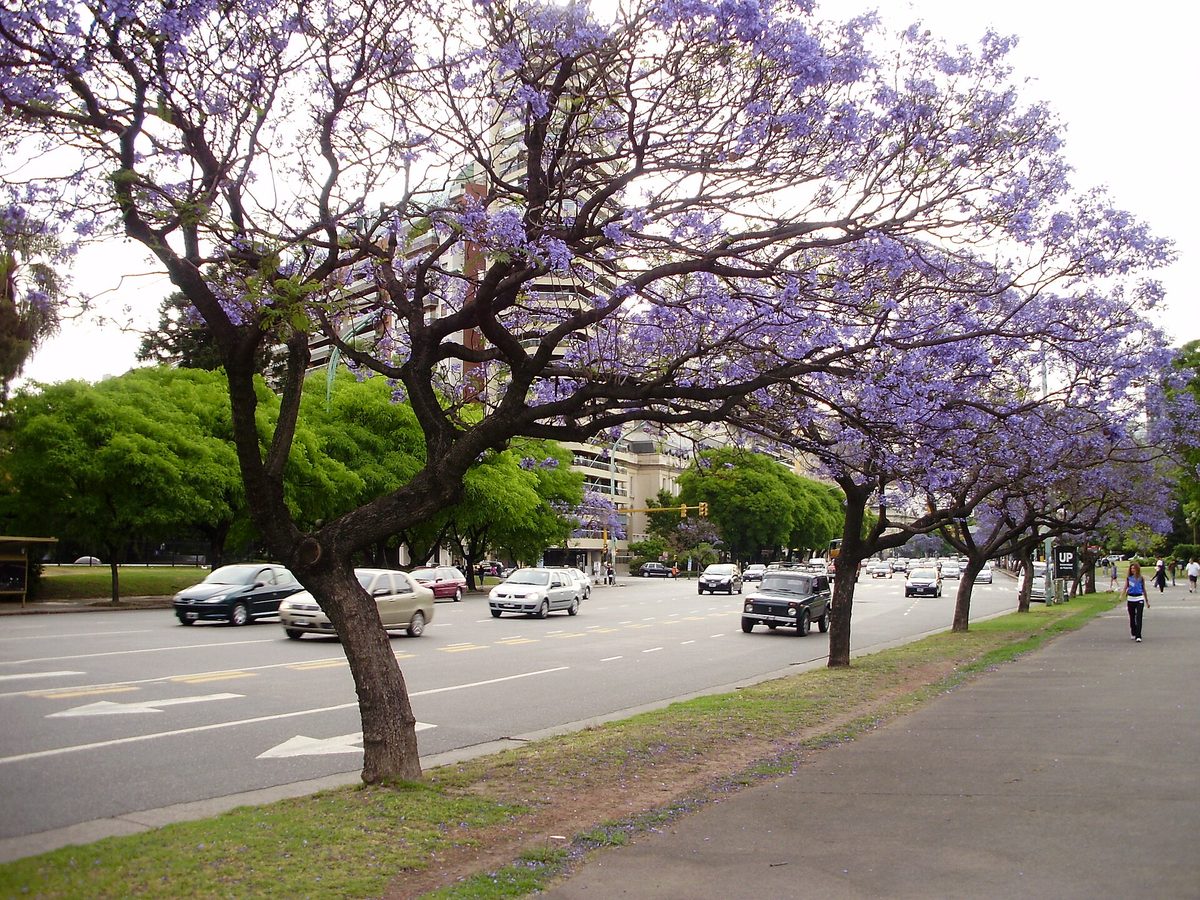
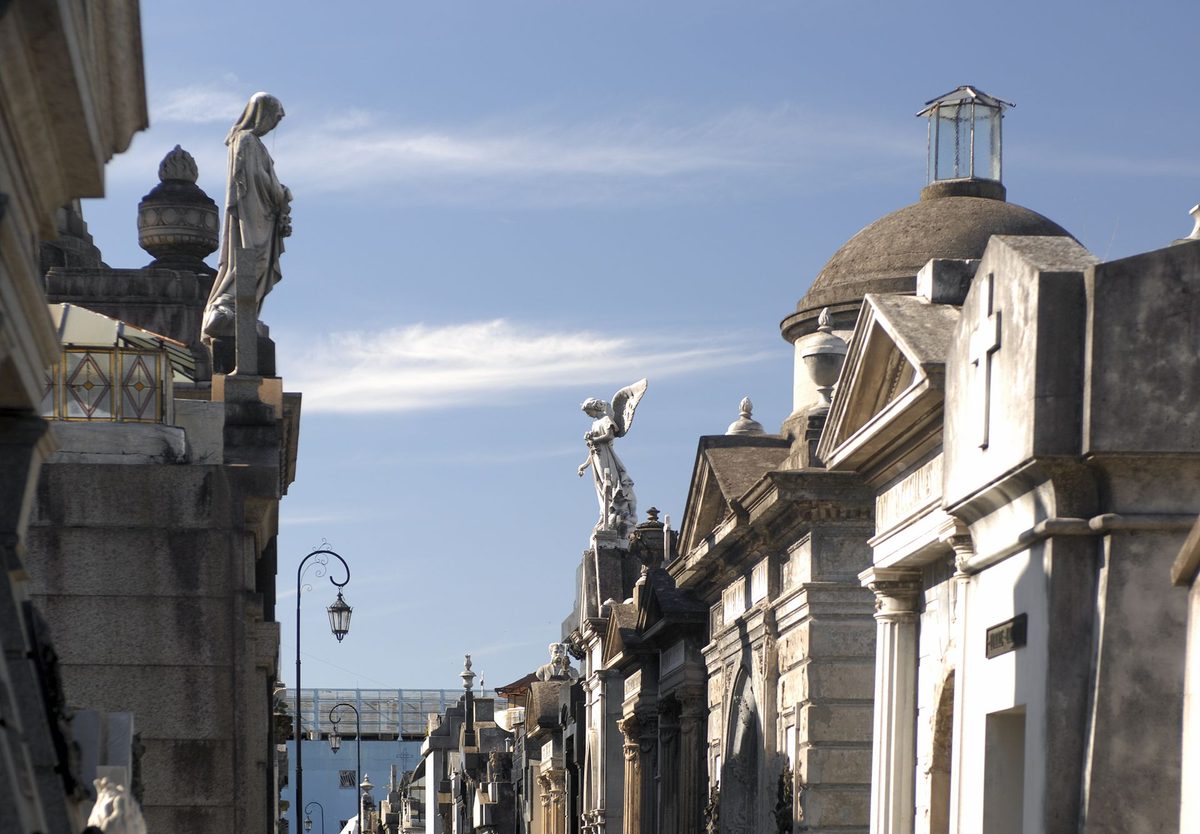
If you want the single safest-feeling first base in Buenos Aires, I usually point people to Recoleta. It is the city’s old-money district — grand Belle Époque mansions, wide tree-lined avenues, embassies and a famous cemetery — and that affluence translates into well-kept, well-lit, well-patrolled streets that stay busy with residents and cafe-goers into the evening.
Recoleta is quieter at night than Palermo, which many count as a plus for sleeping. The one caution is the usual crowd rule: at the weekend craft fair on Plaza Francia and around the cemetery entrance, keep your phone and bag close, because pickpockets work where tourists relax. Stay near the cemetery or Avenida Callao to be central and walkable; for hotels specifically, see our guide to hotels in Recoleta, Buenos Aires.
Palermo: safe and buzzing, with normal nightlife caution
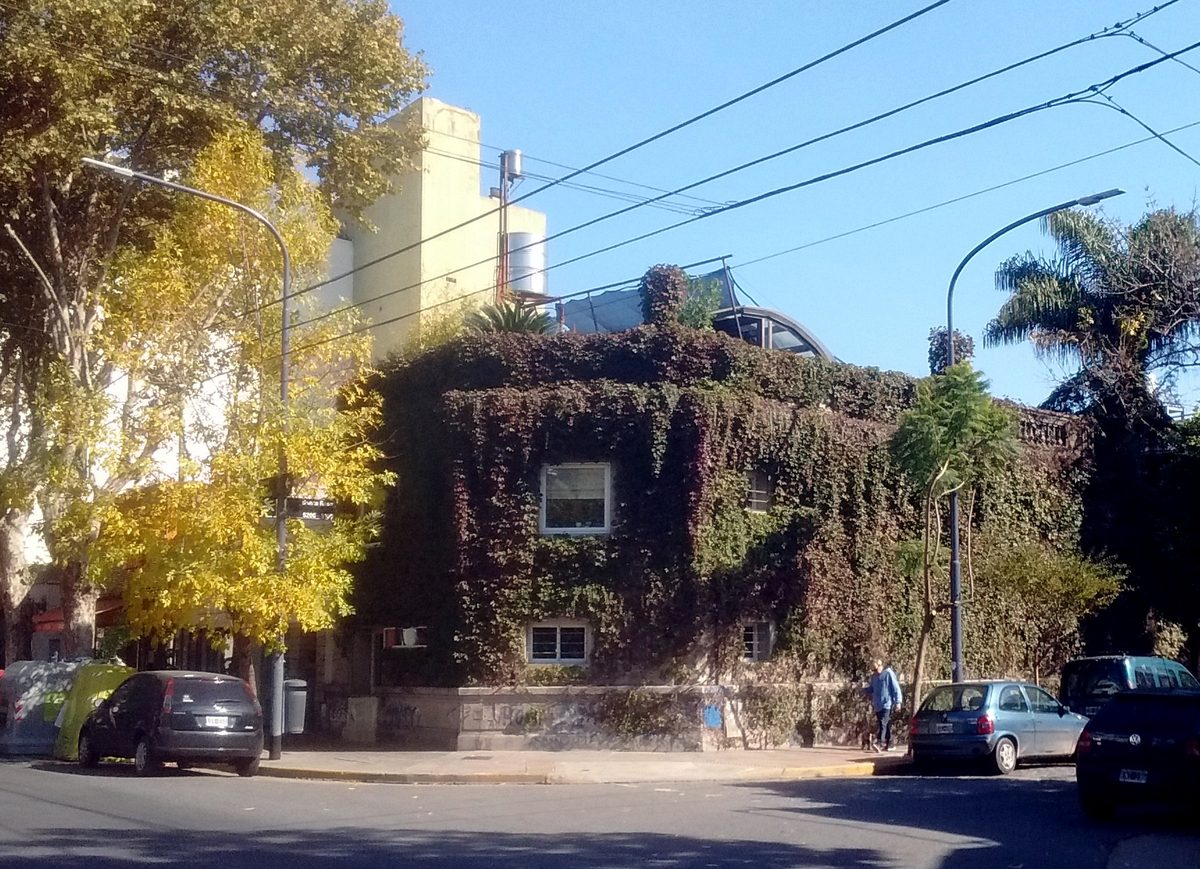
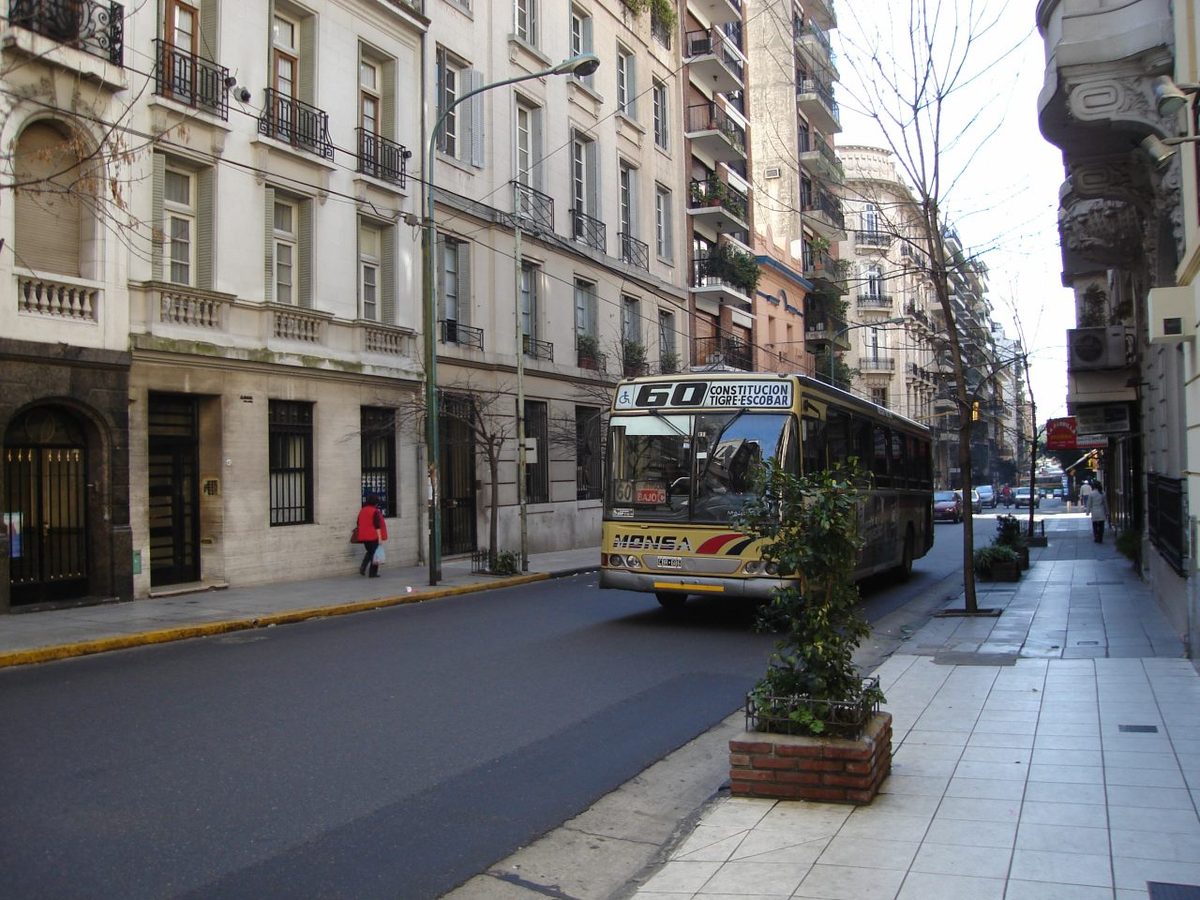
Palermo is the city’s biggest, most popular barrio for visitors — leafy streets, the best restaurants and bars, boutiques and huge parks. Its sub-neighbourhoods Palermo Soho and Palermo Hollywood feel safe day and night precisely because they are always busy. This is where most younger travellers and food lovers want to be, and I happily recommend it as a safe area for tourists in Buenos Aires.
The trade-off is that nightlife brings nightlife risks: late hours and lowered guards make Palermo’s bar zones a spot where phones get snatched off tables and bags lifted from chair-backs. Keep your phone pocketed on a busy terrace, don’t leave a bag hanging behind you, and take a rideshare home in the small hours. Do that and Palermo is both fun and safe. Compare it with the alternatives in our guide to the best area to stay in Buenos Aires, and read more in our Palermo neighbourhood guide.
Puerto Madero: the safest barrio of all
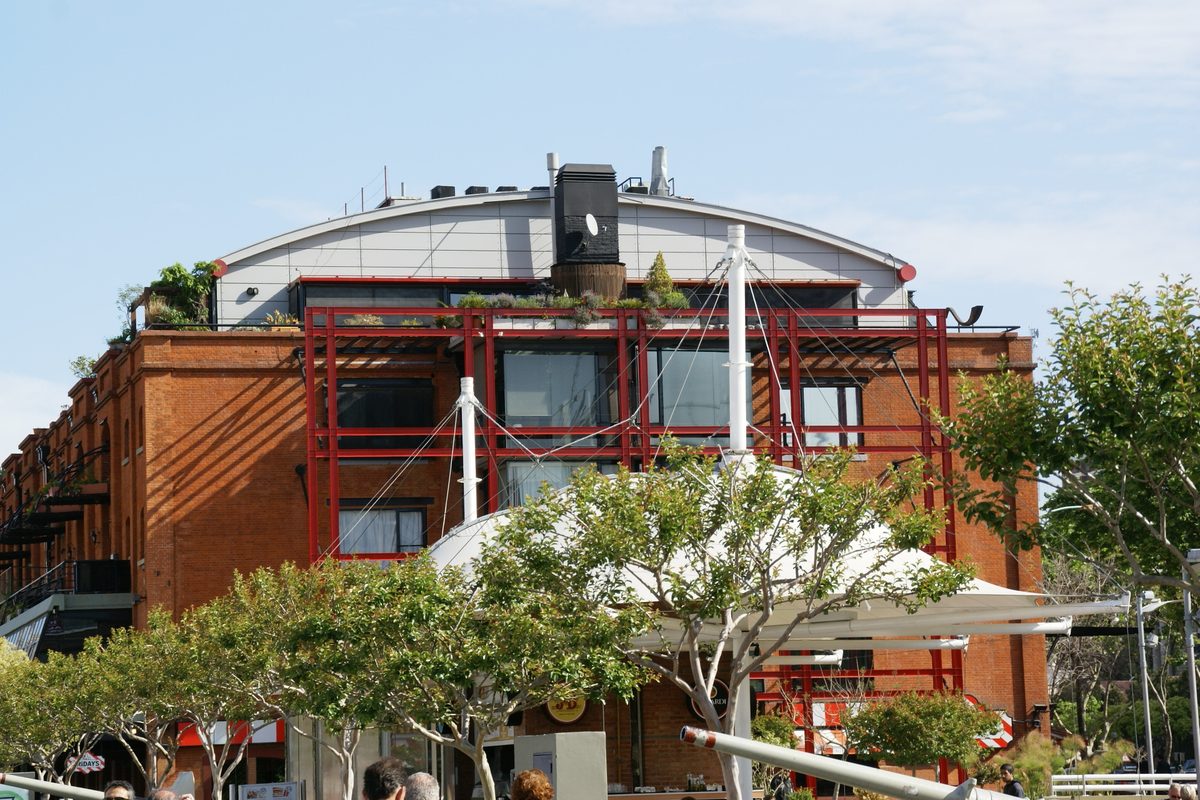
If safety is your single highest priority — travelling with kids, here on business, wanting zero stress — Puerto Madero is the answer. The redeveloped docklands are the newest, most polished part of the city: riverside promenades, glass towers, converted red-brick warehouses, upscale hotels, and a notably high level of private security with controlled access and regular patrols. It is consistently rated the safest neighbourhood in Buenos Aires, and walking here at night feels genuinely relaxed.
The honest downsides: it can feel a little corporate, it is pricier, and it sits slightly apart from the lived-in city — you will walk or taxi to reach the buzz of Palermo or San Telmo. But for sheer peace of mind it is unbeatable, and the waterfront is lovely for an evening stroll. See how it compares in our Puerto Madero guide.
Belgrano: safe, leafy and pleasantly local
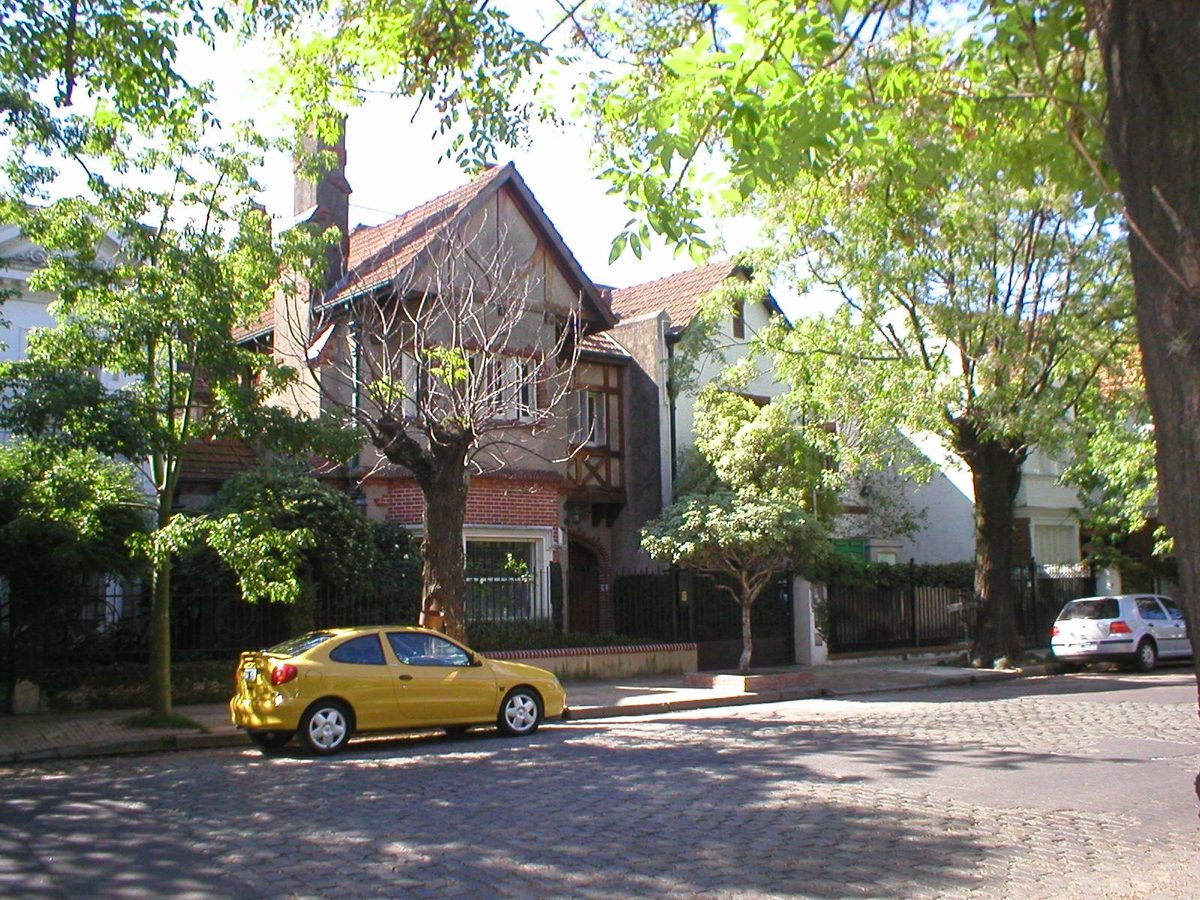
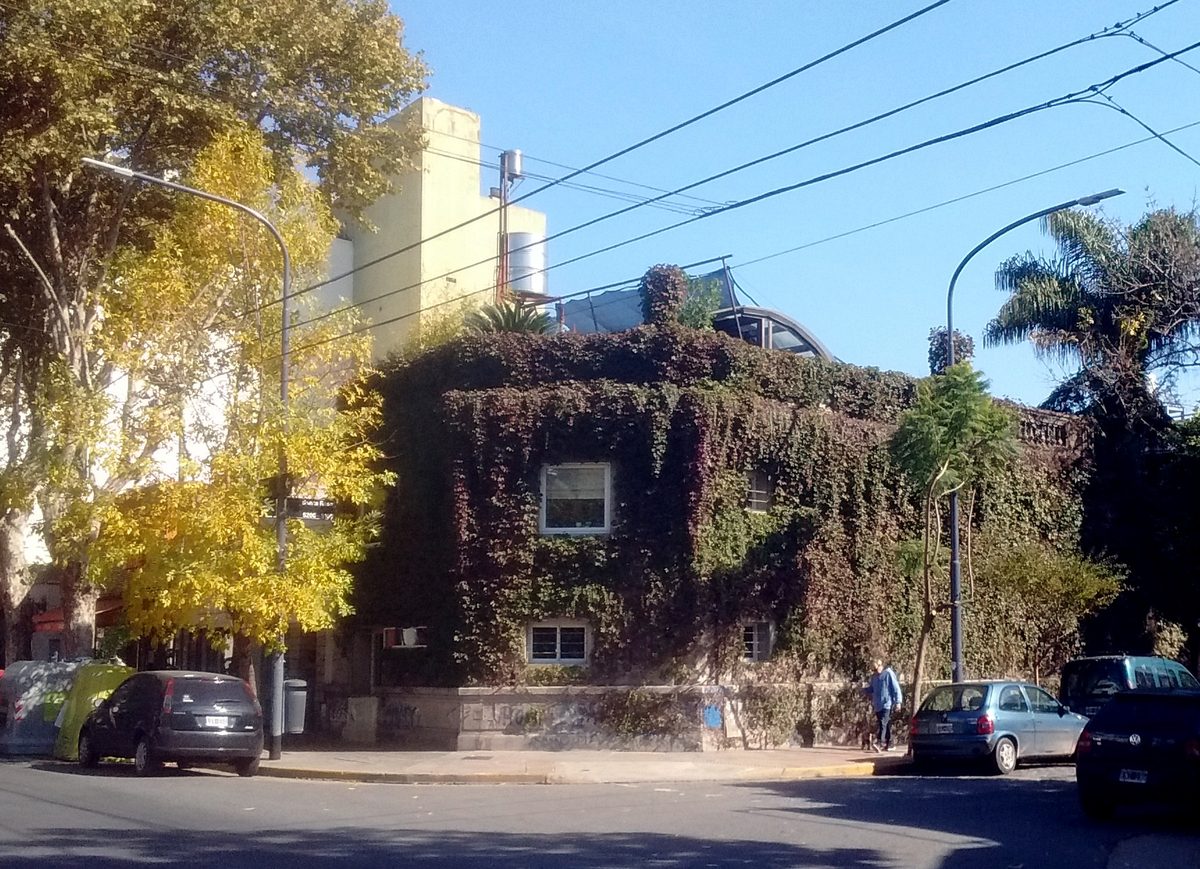
Belgrano, further north, is a calm, prosperous, residential barrio that locals will tell you is safe to walk day and night. It has handsome tree-lined streets, a low-key shopping area, good transport into the centre, and the city’s Chinatown (Barrio Chino) for a fun food detour. You trade some central convenience for a more authentic, neighbourly feel — which suits repeat visitors, families and anyone wanting to live a little more like a porteño.
Because it is residential rather than a nightlife hub, Belgrano is quiet after dark in the best way. There are fewer hotels than in Recoleta or Palermo, so apartments and apart-hotels are often the better bet; our guide to the best apart-hotels in Buenos Aires covers that style of stay.
Areas to treat with a little caution
None of this is meant to scare you — these are not no-go zones, and most have real attractions worth a daytime visit. They are simply places I would not choose to sleep, or where I keep my wits a notch higher. Framed helpfully:
- La Boca (outside the tourist strip, and at night). The colourful Caminito street is heavily policed and fine to visit by day, but one or two blocks beyond the painted lanes the picture changes quickly — not somewhere to wander independently or stay after dark. Visit on a tour or by taxi, in daylight, then move on. More in our La Boca neighbourhood guide.
- Constitución. A major transport hub with cheap rooms that can tempt budget travellers, but it sees elevated street theft and is a known spot for “bag-cutting.” Pass through for the train if you must; I would not base a holiday here.
- Retiro fringes and around Villa 31. The smart part of Retiro — Plaza San Martín and the grand hotels — is fine and well-policed, but the bus and train station is a notorious pickpocketing spot, and the informal settlement (Villa 31) just behind it is best avoided entirely. Mind your bags tightly if you arrive by long-distance bus.
- The Microcentro after hours. Downtown around Florida Street and Plaza de Mayo is busy and fine by day but empties out at night and on weekends, when quiet office streets feel less comfortable. It is a sightseeing zone more than an ideal place to sleep.
Notice the pattern: the cautions cluster around transport hubs, tourist honeypots and the southern edge of the centre. Stay north and you sidestep almost all of it. And because advisories and local conditions shift, it is always worth checking your government’s current travel advice and asking your hotel what is sensible right now.
Street-smart safety tips that actually matter
Where you sleep is half the equation; how you carry yourself is the other half. These habits keep the overwhelming majority of visits uneventful:
- Your phone is the prize — treat it like one. Phone-snatching is the single most common incident. Don’t walk along texting near the kerb, don’t leave it on a restaurant table, and be especially careful stepping out of a cafe absorbed in your screen.
- Never put valuables in a backpack you can’t see. On crowded buses, the Subte and at stations, thieves open or slit backpacks. Wear it on your front in crowds, or use a cross-body bag with a zip you can keep a hand on.
- Carry a “city wallet.” Take the day’s cash and one card; leave passports and spare cards in the hotel safe. If the worst happens, you lose little.
- Use rideshare apps at night. Uber, Cabify and DiDi are cheap, tracked and save you walking quiet blocks in the small hours. Worth it after a late dinner or out of a nightlife zone.
- Watch for the classic distractions. The “mustard” or spilled-drink trick — someone “helpfully” dabbing at a stain while an accomplice lifts your bag — is the one to know. If a stranger suddenly makes a mess on you, hold your belongings and walk on.
- Carry cash and check current rates. Many places prefer cash, and Argentina’s peso/dollar rate shifts week to week, so confirm current rates and keep small notes handy. For the full rundown, see our Buenos Aires travel tips.
Solo travellers, and especially solo women, generally find the safe northern barrios comfortable with these habits; the key is the same everywhere — look like you know where you are going, and keep valuables low-profile.
Which safe barrio is right for you?
All four northern barrios are safe, so the choice comes down to the trip you want — central and classic (Recoleta), trendy and lively (Palermo), maximum peace of mind (Puerto Madero) or quiet and local (Belgrano). A couple of traveller types deserve a word. Families tilt toward Puerto Madero and Recoleta for their calm, well-policed streets; our roundup of Buenos Aires family hotels leans on exactly those areas. Budget travellers can stay safely too: pick a well-reviewed hostel in Palermo or Recoleta rather than a cheap bed near Constitución, and you get the social scene without the dodgy block — see our guide to hostels in Buenos Aires. Whatever you choose, anchor it in the bigger picture: our complete guide to where to stay in Buenos Aires lays out prices and trade-offs across every district.
Frequently asked questions
What are the safest areas to stay in Buenos Aires?
The safest areas to stay in Buenos Aires are the prosperous northern barrios: Recoleta, Palermo, Puerto Madero and Belgrano. They are well-lit, well-patrolled, busy late into the evening and easy to walk. Puerto Madero is generally rated the very safest thanks to its private security, while Recoleta and Palermo are the most popular all-round picks.
Is Buenos Aires safe for tourists?
Yes — for most visitors Buenos Aires is safe, on a par with other large Latin American capitals. Violent crime against tourists is rare; the real, everyday risk is petty theft such as pickpocketing and phone-snatching in crowds. Stay in a northern barrio, keep your valuables low-profile, and check current travel advice before you go, and trips are overwhelmingly trouble-free.
Which neighbourhoods in Buenos Aires should tourists avoid?
Skip staying in La Boca outside the policed Caminito strip (and avoid it after dark), Constitución, and the immediate area around Retiro station and Villa 31. The Microcentro is fine by day but empties at night. None are no-go for a guided daytime visit, but they make poor places to sleep compared with the safe northern barrios. Our guide to the areas to avoid in Buenos Aires covers each one in more detail.
Is it safe to walk around Buenos Aires at night?
In the lively northern barrios — Palermo Soho, Recoleta, Puerto Madero — walking at night feels comfortable, because restaurants and bars keep the streets busy. Even so, in the small hours or on quiet residential blocks, take a cheap rideshare instead. Keep your phone pocketed, stick to well-lit main streets, and trust your instincts.
Is Palermo or Recoleta safer for tourists?
Both are safe and among the best bases in the city. Recoleta is a little calmer and quieter at night, which some travellers read as feeling safer; Palermo is busier and livelier, with nightlife crowds where you simply keep a closer eye on your phone and bag. Pick on vibe — elegant and central (Recoleta) versus trendy and buzzing (Palermo) — rather than on safety alone.
Final thoughts
Buenos Aires rewards a little street sense much like any big city — but get the basics right and it is one of the warmest, most walkable capitals anywhere. Base yourself in Recoleta, Palermo, Puerto Madero or Belgrano, carry your phone like it matters, take a rideshare home late, and keep an eye on current advisories, and you can relax into the cafes, parks and late dinners that make this city so loved. To weigh every district side by side, head back to our full guide to where to stay in Buenos Aires.
Photo credits
- A safe leafy avenue lined with jacaranda trees in Recoleta, one of the safest areas to stay in Buenos Aires — photo by tercerojista, CC BY 2.0, via Wikimedia Commons.
- A quiet tree-lined corner in Palermo Soho, a safe neighbourhood in Buenos Aires for tourists — photo by Roberto Fiadone, CC BY-SA 4.0, via Wikimedia Commons.
- A converted brick dock building on the Puerto Madero waterfront, widely rated the safest barrio in Buenos Aires — photo by Hermann Luyken, CC0, via Wikimedia Commons.
- A calm residential street in Belgrano, a safe area for tourists in Buenos Aires — photo by Svenska84, Public domain, via Wikimedia Commons.
1 comment