Last updated: June 2026 · Written by the Buenos Aires Tourism editorial team, who have unlocked more than a few heavy Palermo street doors with a stranger’s WhatsApp instructions and learned the hard way to always ask about the lift first.
Buenos Aires Airbnb: the short answer
A buenos aires airbnb — or any short-term apartment rental — is usually the smartest base for a stay of three nights or more, giving you a kitchen, a washing machine and far more space than a hotel for the money. Book in Palermo for food and nightlife, Recoleta for elegance and sights, Puerto Madero for modern safety, San Telmo for character on a budget, or Belgrano for quiet, residential calm. Below I cover where to book, how payment works in 2026, and what to check first.
I have rented apartments all over this city, and the pattern never changes: the building, the barrio and the host matter far more than the platform. Whether you book through Airbnb, a local agency or Booking.com, you are really choosing a neighbourhood and a front door. If you are still weighing your options, start with our complete guide to where to stay in Buenos Aires, then come back for the apartment-specific detail.

Best barrios for a short-term rental, at a glance
Buenos Aires is a city of barrios, and your apartment’s neighbourhood sets the tone for the whole trip. Five areas account for the vast majority of good short-term rentals. Here is the quick comparison I give friends before they book.
| Barrio | Good for | Vibe |
|---|---|---|
| Palermo | Food, nightlife, repeat visitors | Leafy, trendy, buzzing |
| Recoleta | First-timers, culture, sightseeing | Elegant, classic, European |
| Puerto Madero | Comfort, safety, river views | Modern, polished, quiet |
| San Telmo | Budget, atmosphere, history | Bohemian, old-world, lively |
| Belgrano | Longer stays, families, calm | Residential, green, local |
None of these is a wrong choice — they simply suit different travellers. For a deeper, street-by-street breakdown of how the barrios connect, see our guide to the best area to stay in Buenos Aires. Below I go through each of the five in turn.
Apartment rental or hotel? The honest trade-offs
A short-term rental wins on space, on a kitchen for the famously good and cheap local produce, on laundry, and very often on price per night for two or more people — and it drops you into a real residential building among Porteños rather than a tourist lobby. Hotels win on what apartments cannot easily offer: a front desk at 3am, daily housekeeping, a safe, breakfast and someone to call you a remise.
My rule of thumb: three nights or fewer, lean hotel; four or more, lean apartment; a month or longer, an apartment or apart-hotel almost always wins. For families wanting space with hotel-style service, our guide to Buenos Aires family hotels is a good middle path, and budget travellers should compare the city’s excellent hostels in Buenos Aires.
Where to book: the five best barrios
Palermo — the all-rounder for food and nightlife
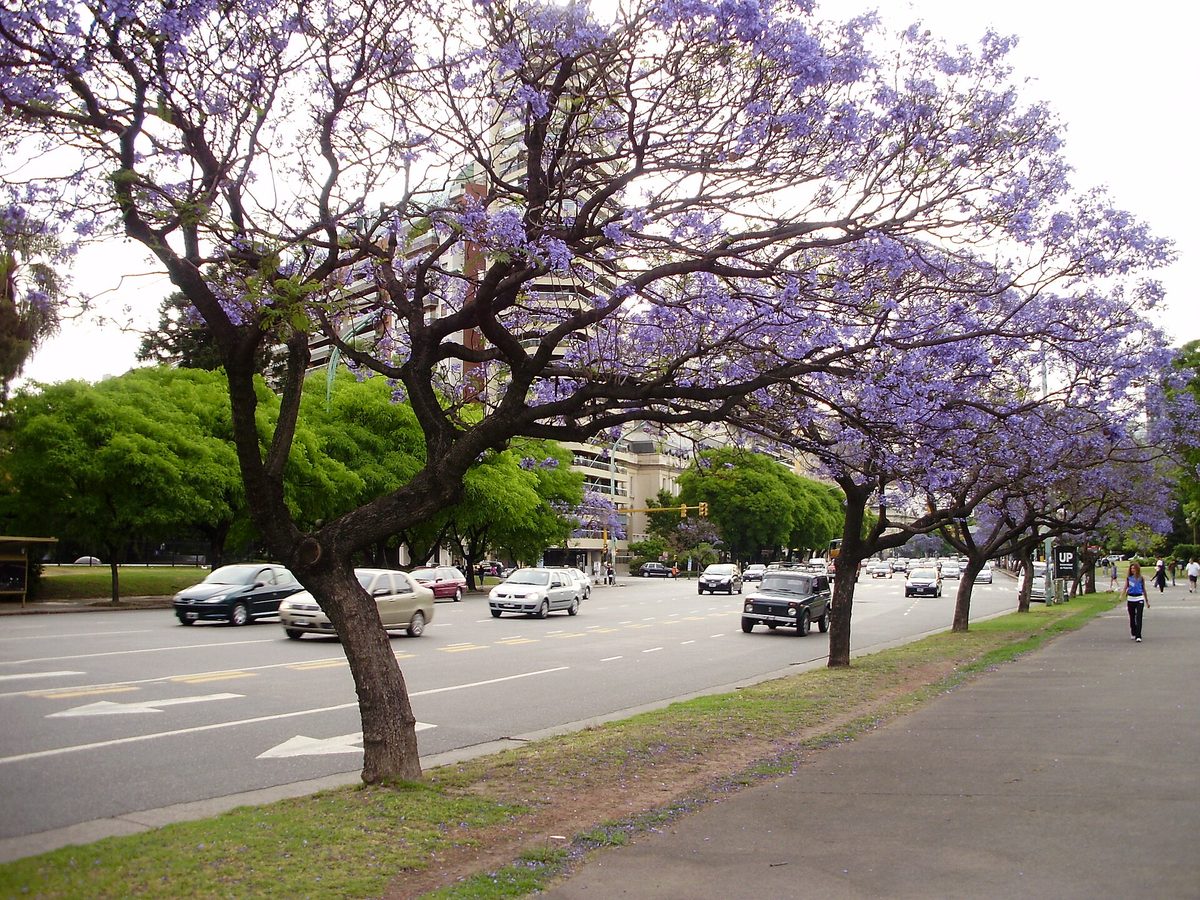
If I had to pick one barrio for a first apartment stay, it would be Palermo. The city’s largest, most fashionable neighbourhood splits into pockets: Palermo Soho for boutiques, bars and cobbled streets; Palermo Hollywood for restaurants and late nights; and quieter, leafier stretches near the Botanical Garden and the parks. Short-term rentals here are plentiful and skew stylish, often in low-rise buildings with little balconies, at roughly USD 60–110 a night for a smart one-bedroom. It is the obvious base for foodies and repeat visitors; read our full Palermo neighbourhood guide before you choose a street.
Recoleta — elegant, central and great for first-timers
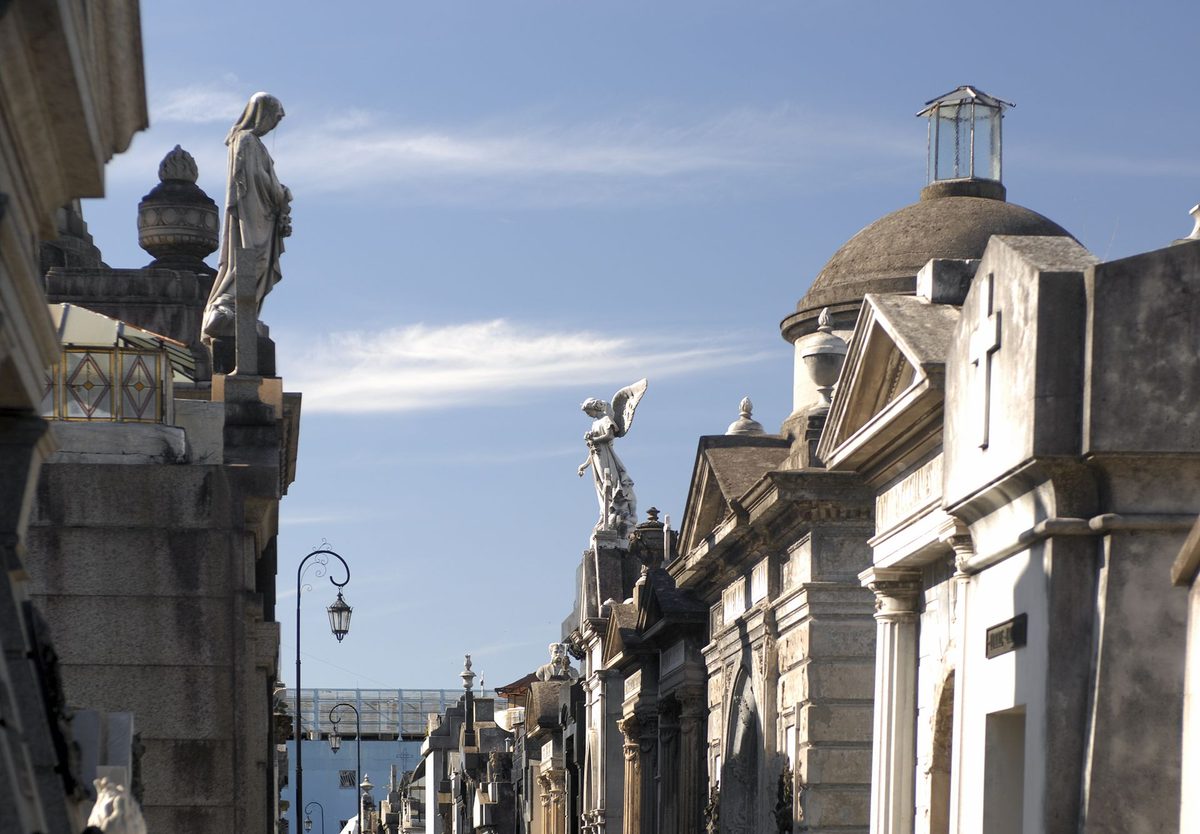
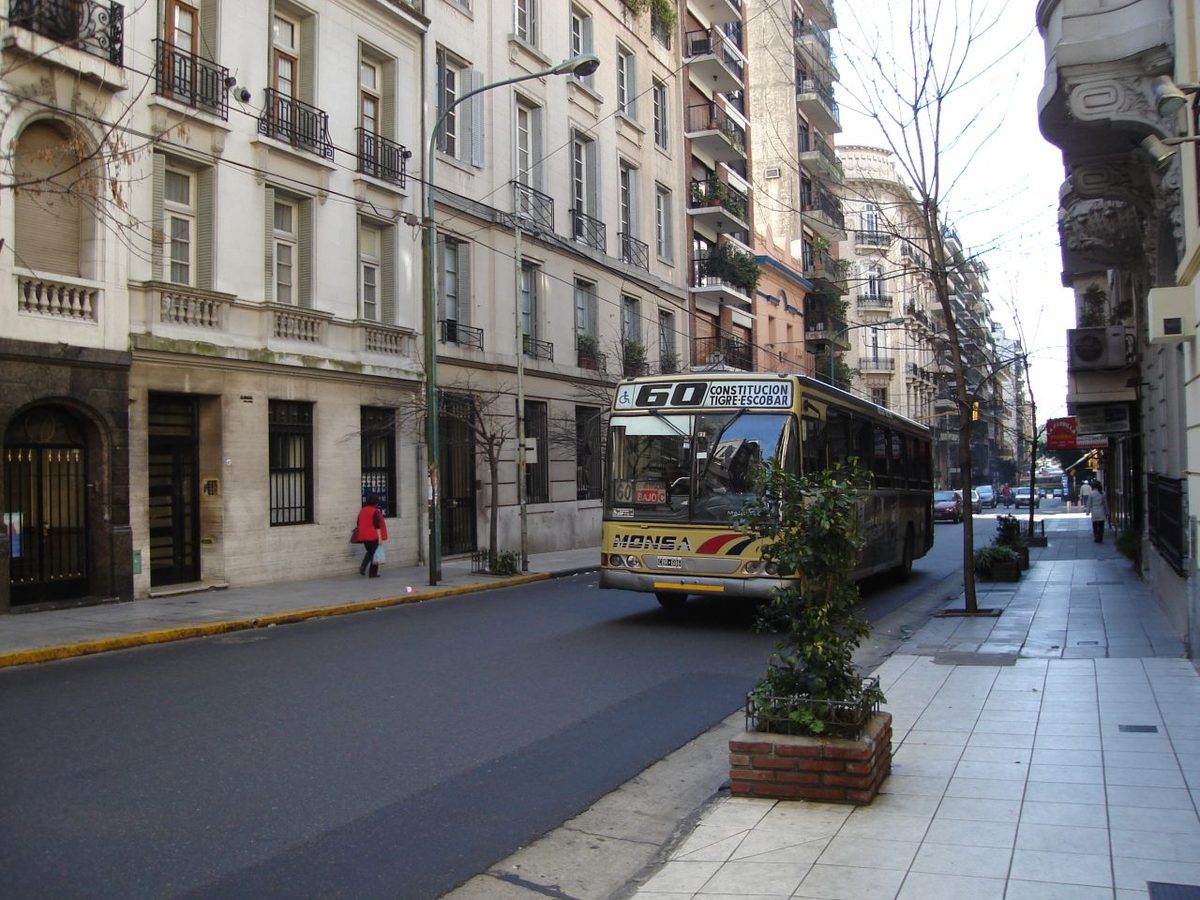
Recoleta is the polished, European-feeling barrio of grand mansion blocks, wide avenues and world-class museums, anchored by its famous cemetery. Apartments here tend to be in handsome older buildings with high ceilings, ornate lifts and a portero (doorman) downstairs — a reassuring feature for first-time visitors. It is quieter at night than Palermo and a touch pricier, but you are walking distance from a cluster of major sights. Pair it with our Recoleta guide to see exactly what is on your doorstep.

Puerto Madero — modern, safe and quiet
Puerto Madero is the city’s newest barrio: a redeveloped dockland of glass towers, waterside promenades and the white Puente de la Mujer. Rentals here are sleek, modern apartments — floor-to-ceiling windows, gyms, pools, river views — and the area is widely considered the safest in the city, with private security and gated access. The trade-offs are higher prices, a corporate feel and fewer everyday shops. It suits travellers who prize comfort, safety and a quiet night; our Puerto Madero guide has the full picture.

San Telmo — character and value
San Telmo is the oldest, most atmospheric barrio: cobbled streets, antique shops, tango in the squares and the celebrated Sunday fair. Apartments are often characterful conversions in 19th-century buildings, and prices run noticeably lower than Palermo or Recoleta — this is where the budget-minded find space and soul together. It is more worn around the edges and livelier at street level, so pick a building with a solid front door and read recent reviews. Walkable to the historic centre, it is a favourite with younger travellers.

Belgrano — calm, residential and good for longer stays
North of Palermo, Belgrano is leafy, residential and refreshingly local, with the Barrancas park, Chinatown and the shopping spine of Avenida Cabildo. Rentals tend to be larger and cheaper per square metre, in proper apartment blocks where Porteños actually live. Less nightlife and fewer tourists is precisely the appeal for families and anyone settling in for a few weeks, and it is well connected by Subte (Line D) and bus.

Two barrios I would gently steer most first-timers away from for a rental: the Microcentro, which empties out and feels bleak after office hours, and La Boca beyond the few touristy blocks of Caminito, which has real safety concerns at night. For a wider safety-led view of the map, our complete guide to where to stay in Buenos Aires ranks the barrios by who they suit.
How payment and pricing work in 2026 (read this first)
Money is where Buenos Aires rentals differ most from anywhere else, and the situation keeps moving — so treat everything here as a snapshot and check the current rules before you pay. For years Argentina ran multiple exchange rates and the unofficial “blue dollar” was far stronger than the official one. After currency controls were loosened in 2025, that gap narrowed dramatically: in early 2026 the blue rate sits only a few percent from the official and MEP rates, roughly 1,400–1,450 pesos to the US dollar. The wild arbitrage of a few years ago is largely gone, but rates still move week to week.
What this means in practice for a short-term rental:
- Booking on the Airbnb app charges your card in the listed currency at the platform’s rate — simple and protected, but with no “blue” discount.
- Local rental agencies and private hosts often quote in US dollars and may ask for payment in cash USD, especially for longer stays. Cash in dollars can still get a slightly better deal than a card, though the advantage is far smaller than it once was.
- Bring clean, newish US dollar bills if you plan to pay any host directly in cash — worn or marked notes are sometimes refused, and large denominations are preferred.
A word of caution: arranging a cash deal off-platform with an Airbnb host removes Airbnb’s payment protection and is against its rules, so weigh the small saving against the loss of recourse if something goes wrong. As a rough 2026 guide, expect around USD 55–90 a night in mid-range barrios and USD 90–150 in prime Palermo, Recoleta or Puerto Madero. For the bigger picture on day-to-day costs, see our guide to Buenos Aires travel cost, and our living in Buenos Aires guide goes deeper on banking and the rate.
Is an Airbnb in Buenos Aires safe and legal?
Both, with caveats. Short-term tourist rentals are legal in the City of Buenos Aires under a registration framework, though in practice enforcement is loose and many listings operate informally — that rarely affects you as a guest. On safety, the building and barrio matter more than the platform: a flat with a doorman, a secure entrance and a recent run of good reviews in Palermo, Recoleta, Puerto Madero or Belgrano is a comfortable, low-risk choice.
Use normal big-city sense: favour buildings with a portero or keypad entry, avoid ground-floor flats opening onto the street, and be wary of listings with no reviews. For a barrio-by-barrio safety read, our guide to the best area to stay in Buenos Aires is the place to start.
What to check before you book
A short-term apartment rents on details a hotel would never make you think about. Before you pay, confirm the essentials:
- The exact location and barrio — ask for the street, not just the neighbourhood, and look at it on a map. “Palermo” covers a lot of ground.
- A lift, or which floor. Many handsome old buildings have no elevator or a tiny cage; a fourth-floor walk-up with luggage is no joke.
- Air conditioning and heating — summers are hot and humid, winters chilly, so check both are mentioned and working.
- Reliable Wi-Fi, especially if you are working; ask for a speed if it matters.
- Recent reviews and an attentive host. Read the last few months, not just the average, and message the host a question before booking to test responsiveness.
- The check-in method and cancellation policy — how you get the keys, who to call if you are locked out, and how flexible the booking is.
- Hot water and kitchen kit if you plan to cook; gas heaters and equipment vary a lot between flats.
Tips for longer stays
Staying a month or more changes the calculus. Many hosts offer steep monthly discounts — often 30–50% off the nightly rate — so always ask, and consider booking a few nights first to inspect a place before committing to weeks. For stretches of a month-plus, a serviced apart-hotel in Buenos Aires is often the sweet spot: apartment space and a kitchen, plus reception, cleaning and security, with no deposit drama or utility set-up.
Whichever route you take, clarify whether bills, cleaning and any commission are included, and keep a written record of what was agreed. Anyone weighing a genuine relocation should read our guide to living in Buenos Aires for the longer-lease realities beyond the tourist market.
Frequently asked questions
Which neighbourhood is best for an Airbnb in Buenos Aires?
For most visitors, Palermo or Recoleta — Palermo for food and nightlife, Recoleta for elegance and sightseeing. Choose Puerto Madero for modern comfort and safety, San Telmo for character on a budget, or Belgrano for a quiet, residential base on a longer stay.
How much does a short-term apartment rental in Buenos Aires cost?
As a rough 2026 guide, a comfortable one-bedroom runs around USD 55–90 a night in mid-range barrios and USD 90–150 in prime Palermo, Recoleta or Puerto Madero. Monthly deals often fall near USD 600–1,200 depending on area and standard. Prices rise in the March and summer peaks, so always check the live rate before booking.
Can I pay for an Airbnb in Buenos Aires with US dollars or cash?
On the Airbnb app you pay by card in the listed currency. Local agencies and private hosts often quote in US dollars and may accept — or prefer — cash USD, especially for longer stays, which can shave a little off the price. Bring clean, newish bills. Note that off-platform cash deals lose Airbnb’s protection, and the rate situation changes, so confirm before you commit.
Is it better to rent an apartment or stay in a hotel in Buenos Aires?
For three nights or fewer, a hotel is usually simpler — front desk, housekeeping, easy check-in. For four nights or more, an apartment wins on space, a kitchen, laundry and often price for two-plus people. For a month or longer, an apartment or apart-hotel almost always makes the most sense. Match the choice to your trip length and appetite for logistics.
Are Airbnbs in Buenos Aires safe?
Generally yes, if you choose well. Safety depends far more on the building and barrio than the platform. Favour flats with a doorman or secure entry in Palermo, Recoleta, Puerto Madero or Belgrano, and read recent reviews. Steer clear of listings with no reviews or a single photo, and use the same caution you would in any large city.
Final thoughts
A short-term apartment is how I almost always choose to experience Buenos Aires — a kitchen for the markets, space to spread out, and a front door on a real residential street rather than a hotel corridor. Pick the barrio first, sort out how you will pay while the peso keeps the country guessing, and run through the pre-booking checklist before you hand over a cent. Do that and a buenos aires airbnb becomes the easiest, most local way to settle into the city. For the full lay of the land, head back to our full guide on where to stay in Buenos Aires.
Photo credits
- A leafy residential corner in Palermo, a top area for a buenos aires airbnb apartment rental — photo by Roberto Fiadone, CC BY-SA 4.0, via Wikimedia Commons.
- Balcony-lined apartment buildings on a residential street in Recoleta, Buenos Aires — photo by Anastasiya Lvova, CC BY 3.0, via Wikimedia Commons.
- The modern Puerto Madero waterfront and skyline at sunset, Buenos Aires — photo by Martin St-Amant (S23678), CC BY-SA 3.0, via Wikimedia Commons.
- A lively cobbled street with the weekend fair and colonial buildings in San Telmo, Buenos Aires — photo by Alexandre Campolina, CC BY 3.0, via Wikimedia Commons.
- Apartment blocks and shops along Avenida Cabildo in residential Belgrano, Buenos Aires — photo by Patricia Curcio, CC BY-SA 3.0, via Wikimedia Commons.